DEA, MEA and TEA: Ethanolamines and Nitrosamine Risk
Ethanolamines thicken shampoos, boost foam, and adjust pH. The main concern is what they can form when combined with certain other ingredients.

Key takeaways
- DEA, MEA, and TEA are ethanolamines used to make foam, thicken formulas, emulsify, and adjust pH.
- Under certain conditions they can react with other ingredients or contaminants to form nitrosamines, some of which are probable carcinogens.
- Diethanolamine and cocamide DEA are classified by IARC as possibly carcinogenic to humans, based on animal studies.
- The EU bans DEA in cosmetics and restricts MEA and TEA; look for DEA, MEA, or TEA in ingredient names.
If you have ever read a shampoo label closely, you may have seen ingredients like cocamide DEA or TEA-lauryl sulfate. The letters DEA, MEA, and TEA belong to a group of chemicals called ethanolamines. They are useful workhorses in many formulas, helping products foam richly and feel thick and creamy. On their own they are not among the most worrying ingredients in personal care. The concern is chemistry that can happen after they go into the bottle.
What are ethanolamines?
Ethanolamines are a family of compounds that combine features of alcohols and amines. The three most common in cosmetics are:
- Diethanolamine (DEA)
- Monoethanolamine (MEA), also called ethanolamine
- Triethanolamine (TEA)
They rarely appear alone. More often they are reacted with fatty acids from coconut or other oils to make ingredients such as cocamide DEA or cocamide MEA, which thicken shampoos and stabilize foam. TEA is also widely used to neutralize acids and adjust pH, and to form salts with surfactants, as in TEA-lauryl sulfate.
Why add foam boosters at all? Many synthetic detergents clean perfectly well without much lather, but shoppers have long associated rich, stable foam with cleaning power. Ingredients like cocamide DEA make bubbles denser and longer lasting and give a watery shampoo a thicker, more luxurious pour. In other words, much of their job is about how a product looks and feels in the hand rather than how well it cleans. That makes them easier to leave out than many people expect.
Where they show up
- Shampoos, conditioners, and body washes
- Liquid hand soaps and bubble baths
- Facial cleansers and shaving creams
- Lotions and creams, where TEA balances pH
- Mascara, eyeliner, and foundation
- Hair dyes, where MEA is often used in place of ammonia
Names to look for
- Cocamide DEA, lauramide DEA, linoleamide DEA, and oleamide DEA
- Cocamide MEA and lauramide MEA
- TEA-lauryl sulfate, TEA-stearate, and plain triethanolamine
- DEA-cetyl phosphate and DEA oleth-3 phosphate
- Ethanolamine or monoethanolamine
In short, any ingredient containing DEA, MEA, or TEA is part of this group, whether the letters come at the start or the end of the name.
The nitrosamine problem
The central concern with ethanolamines is their potential to form nitrosamines. Nitrosamines form when certain amines react with nitrosating agents, which include nitrites and some preservatives that can release them. DEA is especially prone to forming N-nitrosodiethanolamine, or NDELA. Several nitrosamines, including NDELA, are considered probable or possible human carcinogens based on animal studies.
This reaction can happen in the product itself, during storage, or from contaminants in raw materials. One well known example is the combination of ethanolamines with the preservative bronopol (2-bromo-2-nitropropane-1,3-diol), which can break down and contribute to nitrosamine formation. Our article on formaldehyde releasers covers bronopol, and our dedicated article on nitrosamines explains the chemistry in more depth.
Because nitrosamines are contaminants rather than intended ingredients, they never appear on a label. The presence of DEA in a formula is the main clue that they could be present.
What research and regulators say
DEA itself
In studies by the US National Toxicology Program, applying DEA and certain DEA containing ingredients to the skin of mice was associated with liver and kidney tumors. The International Agency for Research on Cancer has classified diethanolamine as possibly carcinogenic to humans (Group 2B). In 2013 IARC also classified coconut oil diethanolamine condensate, which is cocamide DEA, in Group 2B, and California added cocamide DEA to its Proposition 65 list of chemicals known to the state to cause cancer. That listing led many brands to remove it from shampoos sold in California.
It is important to read these findings fairly. They come from animal studies, often at high doses, and researchers have debated how relevant the mouse tumors are to people. The FDA has stated that it does not believe there is reason for consumers to be alarmed about the use of cosmetics containing DEA, while acknowledging the research and continuing to monitor it.
MEA and TEA
MEA and TEA are less prone than DEA to forming nitrosamines, though they can still contain DEA as an impurity or react under some conditions. TEA and MEA can also irritate skin and eyes at higher concentrations. The Cosmetic Ingredient Review panel has found these ingredients safe when formulated to avoid nitrosamine formation, and has set limits for leave-on uses.
Europe
The European Union prohibits diethanolamine in cosmetics. It permits MEA and TEA and related compounds only with restrictions: they must not be used with nitrosating systems, the content of secondary amines such as DEA must be kept very low, and nitrosamine content is capped. This is another example of the EU taking a more precautionary approach, which we explain in our article on US vs EU cosmetic rules.
Who should be most careful
- People who use foaming products daily, such as shampoo and body wash, since exposure is regular.
- People with sensitive eyes or skin, as TEA and MEA can be irritating. See our guide to sensitive skin irritants.
- Anyone using permanent hair dye frequently, since MEA is common there. Our article on PPD and resorcinol in hair dye covers other ingredients in those products.
- Pregnant people reducing avoidable exposures. Our guide to clean beauty during pregnancy may help.
Why products last longer than you might think
One reason nitrosamine formation matters is time. Many shampoos and lotions sit in warehouses, on store shelves, and in our showers for months or even years. Nitrosamines can form gradually during that time, especially in warm conditions. That means the date a product was made, and how it has been stored, can affect what is in it. Keeping products in a cool place and using them within a reasonable time is a small habit that helps with many ingredient questions, not only this one.
How to spot and avoid ethanolamines
- Look for DEA, MEA, and TEA anywhere in an ingredient name.
- Be especially cautious with DEA, which carries the strongest concern for nitrosamine formation.
- Watch for risky combinations, such as ethanolamines in the same formula as bronopol.
- Choose true soap for cleansing. Soap does not need added foam boosters like cocamide DEA, because saponified coconut and castor oils produce lather on their own. Our article on cold process soap vs commercial bars explains why.
- Consider the whole formula. Products with ethanolamines often contain sulfates and synthetic fragrance as well.
Lather from the oils themselves
At Lucky Lady Ranch our Shampoo and Conditioner Bar and Body Bar get their lather from saponified coconut, castor, and other plant oils. We do not add DEA, MEA, or TEA to thicken them or boost foam. By keeping these ingredients out, we also keep out the chemistry that can lead to nitrosamines. It is one more example of how a short list of familiar ingredients can be the simplest path to clean skin and hair.
From the ranch
Made in small batches, without the ingredients discussed above.
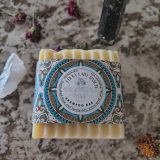 Shampoo and Conditioner BarPlastic free hair care with argan, castor and black seed oil.
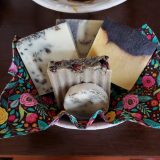 Body BarA true cold process soap for gentle, everyday cleansing.
Questions people ask
What is cocamide DEA and is it safe?
Cocamide DEA is a foam booster and thickener made from coconut fatty acids and diethanolamine. IARC classifies it as possibly carcinogenic to humans based on animal studies, and California lists it under Proposition 65. The FDA has said consumers need not be alarmed but continues to monitor it.
What are nitrosamines in cosmetics?
Nitrosamines are contaminants that can form when amines such as DEA react with nitrosating agents in a product or its raw materials. Several are considered probable or possible carcinogens.
Is triethanolamine bad for skin?
Triethanolamine is permitted in cosmetics and is common as a pH adjuster. It can irritate skin and eyes at higher concentrations and should not be combined with nitrosating ingredients. The EU restricts its use.
Is DEA banned in cosmetics?
The European Union prohibits diethanolamine in cosmetics. It is not banned at the federal level in the US.
What is the difference between cocamide DEA and cocamide MEA?
Both are foam boosters made from coconut fatty acids. Cocamide MEA uses monoethanolamine, which is less prone to forming nitrosamines than diethanolamine, and many brands switched to it after cocamide DEA was listed under Proposition 65.
Sources and further reading
- US Food and Drug Administration (FDA), Diethanolamine and Cosmetic Products
- International Agency for Research on Cancer (IARC), Monographs Volume 101: Diethanolamine and Coconut Oil Diethanolamine Condensate
- US National Toxicology Program (NTP), Toxicology and Carcinogenesis Studies of Diethanolamine
- California Office of Environmental Health Hazard Assessment (OEHHA), Proposition 65 List: Coconut Oil Diethanolamine Condensate (Cocamide Diethanolamine)
- European Commission, Regulation (EC) No 1223/2009 on cosmetic products, Annexes II and III
- Cosmetic Ingredient Review (CIR), Safety Assessment of Triethanolamine and Triethanolamine-Containing Ingredients
This guide is for general education and is not medical advice. If you have a skin condition, allergy, or are pregnant or nursing, talk with your doctor or a board certified dermatologist about the products that are right for you.


