Sensitive Skin and Eczema: Common Irritants to Skip
If your skin stings, itches, or flares after new products, the ingredient list usually holds the answer. Here are the most common irritants and allergens, and how to find your triggers.

Key takeaways
- Reactions come in two main types: irritant reactions, which can happen to anyone with enough exposure, and allergic reactions, which are specific to people sensitized to an ingredient.
- Fragrance, including some natural essential oils, is one of the most common causes of cosmetic skin allergy.
- Harsh sulfates, high alcohol content, and strong acids or retinoids can irritate a weakened skin barrier.
- Preservatives such as methylisothiazolinone and formaldehyde releasers are well known allergens.
- Patch testing new products, and seeing a dermatologist for formal patch testing, are the most reliable ways to find your triggers.
Sensitive skin is not a single diagnosis. It can mean skin that stings when you apply a serum, itches after a hot shower, flushes easily, or breaks out in an angry rash when you try a new cream. For people with eczema, it can mean flares that come and go for years. What these experiences have in common is that the skin barrier is reacting to something, and very often that something is in a bottle on the bathroom shelf. This guide covers the ingredients most likely to cause trouble and how to find your personal triggers.
What Is Happening in Sensitive Skin
Healthy skin's outer layer acts as a barrier, holding moisture in and keeping irritants out. When that barrier is weakened, whether from genetics, dry air, over-washing, or a condition like eczema, irritants can penetrate more easily and nerve endings can react more strongly. Our article on how skin absorption works explains why damaged skin lets more through.
Irritant vs allergic reactions
Dermatologists separate skin reactions into two main types:
- Irritant contact dermatitis is direct damage to the skin. Anyone can get it with enough exposure to a harsh substance, like frequent hand washing with strong soap. It tends to sting or burn and usually appears where the product touched.
- Allergic contact dermatitis is an immune reaction to a specific ingredient you have become sensitized to. It is usually itchy, can appear a day or two after exposure, and can spread beyond the contact area. Once you are allergic, even small amounts can trigger it.
Eczema, or atopic dermatitis, is a separate chronic condition, but people with eczema are more prone to both kinds of reactions.
Common Irritants and Allergens to Skip
Fragrance
Fragrance is consistently among the most common causes of allergic reactions to cosmetics. Because "fragrance" or "parfum" can hide many components, you often cannot tell which one is the problem. Our guide to the fragrance loophole explains why labels can stay vague.
Natural scents are not automatically safer here. Essential oils contain compounds like linalool, limonene, geraniol, and eugenol, which are recognized fragrance allergens. Tea tree oil and lavender can cause reactions, especially once the oil has oxidized with age. If your skin is very reactive, fragrance-free is the safest starting point.
Harsh sulfates
Sodium lauryl sulfate is so reliably irritating that researchers use it in studies to deliberately irritate skin. In cleansers it can strip oils and weaken the barrier, especially with daily use.
Preservatives
- Methylisothiazolinone (MI) caused such a rise in allergic reactions that the American Contact Dermatitis Society named it Allergen of the Year in 2013. The EU has since banned it from leave-on cosmetics.
- Formaldehyde releasers such as DMDM hydantoin, quaternium-15, imidazolidinyl urea, and diazolidinyl urea are well documented allergens.
Other common culprits
- Propylene glycol can irritate and occasionally cause allergy; it was named Allergen of the Year in 2018. See our guide to propylene glycol.
- Cocamidopropyl betaine, a "gentle" surfactant, can cause allergic reactions, often linked to impurities from manufacturing.
- Denatured alcohol high on the list can sting and dry.
- Strong actives such as retinoids, high-strength glycolic or salicylic acid, benzoyl peroxide, and low-pH vitamin C can sting a weakened barrier.
- Lanolin, a soothing ingredient for many people, is a known allergen for some.
- Propolis, a bee resin, is a recognized allergen. Beeswax can contain traces of it, so people with known propolis allergy should check with their dermatologist.
- Rough physical scrubs can create micro-tears in fragile skin.
Reactions that show up somewhere else
The place a rash appears is not always where the product went. Shampoo and conditioner can run down and irritate the hairline, neck, and back. Nail polish allergens often show up on the eyelids, because people touch their eyes far more than they realize. Fragrance and softeners in laundry products touch skin all day through clothing and sheets. If a rash does not match your skincare, think about what else touches that spot.
What Usually Works Better
Sensitive skin tends to do best with short ingredient lists and products that support the barrier rather than challenge it:
- Thick, simple moisturizers such as ointments or balms, which hold water in better than thin lotions.
- Plant butters and oils like shea butter and jojoba oil.
- Mild cleansers used sparingly, mainly where you need them.
- Mineral sunscreen with zinc oxide, which is generally less likely to sting than chemical filters. Read our mineral vs chemical sunscreen comparison.
Daily Habits for Eczema-Prone Skin
The American Academy of Dermatology and the National Eczema Association recommend habits like these:
- Keep baths and showers short and lukewarm. Hot water strips oils.
- Pat skin dry rather than rubbing.
- Moisturize right away, within a few minutes of bathing, while skin is still damp.
- Choose fragrance-free products, including laundry detergent.
- Wear soft, breathable fabrics like cotton next to the skin.
- Notice your triggers. Stress, sweat, dry air, and certain fabrics can matter as much as products.
Eczema is a medical condition, and moderate to severe eczema often needs prescription treatment. Skin care supports treatment; it does not replace it.
How to Find Your Triggers
Patch test at home
Before using a new product on your face or a large area, apply a small amount to the inner forearm or behind the ear once or twice a day for several days. Watch for redness, itching, or bumps. Remember that allergic reactions can take a day or two to appear.
Change one thing at a time
If you introduce three new products at once and react, you will not know which one caused it. Add new products one at a time, a week or two apart.
Get formal patch testing
If you react to many products, a dermatologist can perform patch testing, applying dozens of common allergens to your back and checking the results over several days. Knowing the exact names of your allergens is the most useful information you can have when reading labels. Our guide to reading ingredient labels will help you put it to use.
Simple Formulas for Reactive Skin
At Lucky Lady Ranch, we keep our ingredient lists short and leave out synthetic fragrance, harsh sulfates, and synthetic preservatives. Our Body Balm is unrefined shea butter, vitamin E, beeswax, and essential oils, and our Beauty Oil is a blend of plant oils led by jojoba. Some of our products are scented with essential oils, so if fragrance of any kind is one of your triggers, read each label and patch test first. Simple ingredients make it easier to know what your skin is reacting to, and what it is not.
From the ranch
Made in small batches, without the ingredients discussed above.
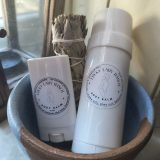 Body BalmUnrefined shea and organic beeswax for hard working skin.
 Beauty OilSeven plant oils for a soft, dewy, healthy looking face.
Questions people ask
What ingredients should I avoid with sensitive skin?
Common culprits include fragrance (including some essential oils), harsh sulfates like sodium lauryl sulfate, preservatives such as methylisothiazolinone and formaldehyde releasers, denatured alcohol, propylene glycol, and strong actives like retinoids and high-strength acids.
Is fragrance bad for eczema?
Fragrance is one of the most common causes of skin allergy and can irritate eczema-prone skin. Dermatology groups generally recommend fragrance-free products for people with eczema.
What is the difference between irritant and allergic contact dermatitis?
Irritant dermatitis is direct damage from a harsh substance and can happen to anyone. Allergic dermatitis is an immune reaction to a specific ingredient you are sensitized to; it is usually itchy and may appear a day or two after exposure.
How do I patch test a new skincare product?
Apply a small amount to the inner forearm or behind the ear once or twice daily for several days and watch for redness, itching, or bumps. Allergic reactions can take a day or two to show.
Are natural products better for sensitive skin?
Not always. Simple natural products with few ingredients can be easier on skin, but essential oils and some plant extracts can trigger reactions. Fragrance-free and short ingredient lists are the safest starting point.
Sources and further reading
- American Academy of Dermatology (AAD), Eczema: Tips for Managing
- National Eczema Association, Contact Dermatitis
- American Contact Dermatitis Society, Allergen of the Year: Methylisothiazolinone (2013)
- American Contact Dermatitis Society, Allergen of the Year: Propylene Glycol (2018)
- European Commission, Regulation (EU) 2016/1198 on methylisothiazolinone in leave-on cosmetic products
This guide is for general education and is not medical advice. If you have a skin condition, allergy, or are pregnant or nursing, talk with your doctor or a board certified dermatologist about the products that are right for you.