Propylene Glycol: Penetration Enhancer and Skin Irritant
Propylene glycol is one of the most common ingredients in personal care. It is low in toxicity, but it can irritate or sensitize some skin. Here is a fair look at both sides.

Key takeaways
- Propylene glycol is a humectant and solvent that keeps products moist and helps other ingredients penetrate skin.
- It has low toxicity and is approved for use in food, so many scary claims online are overstated.
- It can cause irritation and allergic reactions in some people, and dermatologists named it Allergen of the Year in 2018.
- Because it boosts penetration, it can carry other ingredients deeper into the skin.
- People with eczema or reactive skin may do better with simpler, glycol free formulas.
Propylene glycol is one of those ingredients that seems to be everywhere once you start looking. It is in moisturizers, deodorants, cleansers, hair products, makeup and even many foods and medicines. Online, it is sometimes painted as a dangerous industrial chemical. In reality, its story is more ordinary, and more nuanced. For most people it is not a problem. For some, especially those with sensitive or eczema prone skin, it can be a quiet source of irritation.
What Is Propylene Glycol?
Propylene glycol is a small, colorless, slightly syrupy liquid that mixes easily with water and with many oils and alcohols. It is usually made from petroleum derived propylene oxide, though plant based versions also exist. In formulas, it plays several roles at once:
- Humectant: it draws water into the skin's surface and keeps products from drying out in the jar.
- Solvent: it dissolves fragrance, botanical extracts and active ingredients so they blend evenly.
- Texture helper: it lowers the freezing point and improves spreadability.
- Penetration enhancer: it temporarily loosens the orderly lipids in the outer layer of skin, helping other ingredients pass through.
That last role is the one that matters most in clean beauty conversations. A penetration enhancer does not choose what it carries. It can help a soothing ingredient reach where it is needed, and it can also help a fragrance chemical or preservative travel further than it otherwise would. Our article on whether your skin absorbs what you put on it explains how this barrier works.
Where It Shows Up
- Clear gel and stick deodorants and antiperspirants
- Lotions, creams and serums
- Face cleansers and makeup removers
- Hair conditioners, styling gels and hair dyes
- Liquid foundations and mascaras
- Topical medications, including some steroid creams
On labels it usually appears as "Propylene Glycol." Related glycols include butylene glycol, pentylene glycol, hexylene glycol and propanediol, sometimes sold as a corn derived alternative. These are separate ingredients, each with its own profile, though people allergic to one glycol occasionally react to another.
Hidden in "Natural" Formulas
Propylene glycol can also slip into products that otherwise look botanical. Plant extracts such as chamomile, green tea or calendula are often supplied to manufacturers already dissolved in a carrier liquid, and that carrier may be propylene glycol, butylene glycol or glycerin. Rules on how these carriers must be listed vary by market, but in the US and EU each ingredient in the finished product should appear on the label. So a line like "Chamomilla Recutita (Matricaria) Flower Extract" may sit right next to "Propylene Glycol" or "Butylene Glycol" even in a product sold as natural. If you are sensitive, check the whole list rather than assuming a short botanical formula is glycol free.
What Research and Regulators Say
Low Toxicity
The US Food and Drug Administration (FDA) lists propylene glycol as generally recognized as safe for use in food, and it is used in many oral and injectable medicines. The Agency for Toxic Substances and Disease Registry (ATSDR) describes it as having low toxicity at typical exposure levels. The Cosmetic Ingredient Review panel has concluded it is safe as used in cosmetics when formulated to be non irritating. This is a meaningful point of fairness: propylene glycol is not in the same category as hormone disrupting or carcinogenic ingredients.
The Antifreeze Myth
You may have read that propylene glycol is "antifreeze." It is used in some antifreeze products, specifically the less toxic types marketed as safer for pets and wildlife. The highly toxic antifreeze ingredient is ethylene glycol, a different chemical. Conflating the two is a common example of fear based marketing, the kind we try to avoid.
Irritation and Allergy
Where propylene glycol earns its place on many avoid lists is the skin. It is a recognized irritant, particularly at higher concentrations and on damaged or very dry skin, where it can sting or cause redness. It can also cause true allergic contact dermatitis. The American Contact Dermatitis Society named propylene glycol its Allergen of the Year in 2018, not because it is a frequent allergen, but because it is so widespread that allergic people struggle to avoid it, and because it hides in products people do not suspect, including medicated creams meant to calm a rash.
Patch testing studies have generally found allergy rates to be low, roughly in the range of a few percent of people already being tested for suspected allergies. Reactions can also be tricky to confirm, because irritant and allergic reactions sometimes look alike. A dermatologist is the right person to sort that out.
Systemic Reactions
In rare cases, people who are allergic to propylene glycol on the skin have developed widespread rashes after eating foods or taking medicines that contain it. This is unusual, but it is one reason a confirmed allergy deserves a careful conversation with a doctor.
Who Should Be Most Careful
- People with eczema or atopic dermatitis, whose impaired barrier is more easily irritated. See our guide to sensitive skin and eczema irritants.
- Anyone with underarm irritation from gel or clear stick deodorants, which often contain high levels of propylene glycol.
- People with unexplained rashes that worsen with treatment, since some topical medicines contain it.
- Babies and young children, whose skin is thinner. Our article on non toxic skin care for kids has more on simple routines.
How to Spot and Avoid It
- Check the position in the ingredient list. Ingredients are listed roughly by amount, so propylene glycol near the top means a higher concentration. Our guide to reading cosmetic ingredient labels explains this.
- Look at what it is carrying. A product with propylene glycol plus synthetic fragrance or strong preservatives gives those ingredients a better path into skin.
- Switch deodorant formats if your underarms are irritated. Our article on switching to natural deodorant covers what to expect.
- Patch test new products on a small area of the inner arm for a few days before using them widely.
- Ask about medications. If you have a confirmed allergy, a pharmacist can help find glycol free versions of topical treatments.
Moisture Without the Middleman
Humectants like propylene glycol are mostly needed in water based products, where they keep a lotion from drying out and help it feel light. When a product contains no water, the approach changes. At Lucky Lady Ranch, our Body Balm relies on unrefined shea butter, vitamin E and beeswax to soften skin and slow moisture loss, and our Body Oil is simply a blend of plant oils. Our All Day Deodorant uses oils, arrowroot and clay instead of a glycol gel base.
A good habit is to apply oils and balms to slightly damp skin after a bath, which helps hold in the water already there. It is a simple routine, and for skin that reacts to everything, simple is often the kindest choice.
From the ranch
Made in small batches, without the ingredients discussed above.
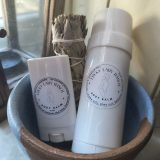 Body BalmUnrefined shea and organic beeswax for hard working skin.
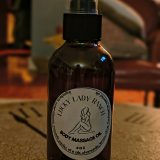 Body OilA silky blend of high quality oils for moisture and massage.
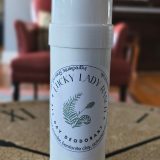 All Day DeodorantAluminum free deodorant that passed every sweaty test we gave it.
Questions people ask
Is propylene glycol bad for your skin?
For most people, no. It has low toxicity and is widely used. It can, however, irritate sensitive or damaged skin and cause allergic reactions in a small number of people, especially in high concentrations.
Is propylene glycol the same as antifreeze?
Not exactly. Propylene glycol is used in some lower toxicity antifreeze products, but the highly toxic antifreeze ingredient is ethylene glycol, a different chemical. Propylene glycol is also approved for use in food.
Why is propylene glycol in deodorant?
It helps form the clear gel or smooth stick texture and keeps the product from drying out. Gel and clear stick deodorants often contain a lot of it, which is why some people notice underarm irritation.
How do I know if I am allergic to propylene glycol?
A dermatologist can confirm it with patch testing. Signs can include itchy, red or scaly patches where products are applied, especially a rash that does not improve or gets worse with creams that contain the ingredient.
Sources and further reading
- Agency for Toxic Substances and Disease Registry (ATSDR), ToxFAQs: Propylene Glycol
- US Food and Drug Administration (FDA), Code of Federal Regulations Title 21, Section 184.1666: Propylene Glycol
- American Contact Dermatitis Society, Contact Allergen of the Year: Propylene Glycol (2018)
- Cosmetic Ingredient Review (CIR), Safety Assessment of Propylene Glycol and Polypropylene Glycols
- National Eczema Association, Eczema Triggers and Ingredients to Avoid
This guide is for general education and is not medical advice. If you have a skin condition, allergy, or are pregnant or nursing, talk with your doctor or a board certified dermatologist about the products that are right for you.


