Switching to Natural Deodorant: What to Expect
The first few weeks after you stop using antiperspirant can feel uncertain. Here is what is actually happening under your arms, how long it usually takes, and how to make the switch easier.

Key takeaways
- Antiperspirants use aluminum compounds to temporarily plug sweat ducts; deodorants let you sweat and target odor instead.
- Sweat itself is mostly odorless; odor comes from skin bacteria breaking down compounds in sweat.
- Many people notice more wetness and odor for a few weeks after switching; the idea of a toxin detox is not supported by science.
- Baking soda can irritate some underarms; applying to dry skin, using a small amount, and pausing after shaving can help.
- Major health organizations have not found convincing evidence that aluminum antiperspirants cause breast cancer or Alzheimer's disease.
Switching from antiperspirant to a natural deodorant is one of the most common first steps people take toward a cleaner routine. It is also the one that most often gets abandoned in the first week. The reason is simple: your body takes a little time to adjust, and nobody warned you. This guide explains what is happening, what is normal, what is not, and how to make the change with less frustration.
Deodorant vs Antiperspirant
These words are often used as if they mean the same thing, but they work very differently.
- Antiperspirants reduce sweat. They contain aluminum compounds, such as aluminum chlorohydrate or aluminum zirconium compounds, which form temporary plugs in the sweat ducts. In the US, they are regulated as over-the-counter drugs.
- Deodorants do not stop sweat. They target odor by making the skin less friendly to odor-causing bacteria, absorbing moisture, or adding scent. They are regulated as cosmetics.
Most natural products are deodorants. So the first thing to expect is that you will sweat. That is your body cooling itself, and it is normal.
Why Underarms Smell
You have two main kinds of sweat glands. Eccrine glands, found all over the body, release mostly water and salt to cool you down. Apocrine glands, concentrated in the underarms and groin, release a thicker sweat containing proteins and fats. They become active at puberty.
Fresh sweat from both is nearly odorless. The smell comes when bacteria living on the skin, especially certain species of Corynebacterium and Staphylococcus, break down compounds in apocrine sweat and release strong-smelling molecules. That is why odor control is mostly about managing moisture and bacteria, not stopping sweat.
What to Expect When You Switch
Weeks one to two
Many people notice more wetness and sometimes stronger odor than usual. Sweat ducts that were being plugged daily are now flowing freely. Some people find this phase barely noticeable; others find it frustrating.
Weeks two to four
For many people, things begin to settle. Odor becomes more predictable and easier to manage with a good deodorant and normal hygiene.
After a month
Most people have a good sense by now of whether their deodorant is working for their body. If odor is still overwhelming, try a different formula. Body chemistry varies, and a product that works for a friend may not work for you.
About the "armpit detox"
You may read that this adjustment period is your body "detoxing" from aluminum or other chemicals. There is no scientific evidence for that. Your liver and kidneys, not your armpits, handle detoxification, and sweat is not a significant route for removing toxins. A more likely explanation is that your sweat ducts are no longer blocked and the bacteria on your skin are shifting. A small study published in 2016 found that stopping antiperspirant changed the makeup of underarm bacteria, which may help explain why odor can change during the switch. Clay masks marketed as armpit detoxes are harmless for most people, but they are not necessary.
Why People Switch
People choose natural deodorant for different reasons. Some prefer not to block a normal body function. Some want to avoid synthetic fragrance or other ingredients common in conventional products. Some have concerns about aluminum.
On that last point, it is worth being clear. The National Cancer Institute and the American Cancer Society report that research has not found convincing evidence linking antiperspirants to breast cancer. The Alzheimer's Association states that studies have not confirmed a role for aluminum in Alzheimer's disease. Our guide to aluminum in antiperspirants covers the research in detail. There are a few specific cases where aluminum matters: antiperspirant labels advise people with kidney disease to ask a doctor before use, and many imaging centers ask you not to wear antiperspirant on the day of a mammogram because aluminum particles can show up on the images.
Avoiding the Baking Soda Rash
Baking soda is a common natural deodorant ingredient because it helps neutralize odor. But it is alkaline, and underarm skin is normally mildly acidic. In some people, especially those with sensitive skin, daily baking soda can cause redness, itching, or darkened patches.
To reduce the risk:
- Apply to completely dry skin. Moisture activates baking soda more strongly.
- Use a small amount. Two or three light swipes is usually enough.
- Do not apply right after shaving. Wait several hours or shave at night.
- Take a break if you see redness. Give skin a few days to calm, then try again every other day, or switch to a baking soda free formula.
- Watch for essential oil sensitivity. Some reactions come from the scent, not the baking soda.
If a rash does not clear after stopping the product, check with a doctor or dermatologist. Our guide to sensitive skin irritants may also help.
Choosing a Formula
Natural deodorants come as sticks, creams you apply with your fingers, sprays, and roll-ons. Sticks and creams based on oils and butters usually include a powder such as arrowroot or cornstarch to absorb moisture. Baking soda free versions often rely on ingredients like magnesium hydroxide instead. Read the label the same way you would for any leave-on product: look for named scent ingredients rather than "fragrance," and check that the list is short enough to understand. Our step by step guide to a non toxic daily routine explains why deodorant is one of the best places to start.
Tips That Make the Switch Easier
- Start on a low-stakes week, not before a big presentation or wedding.
- Wash underarms daily with a gentle soap. A cold process bar works well. Our guide to cold process soap explains why.
- Warm stick deodorants against your skin for a few seconds so they glide on smoothly.
- Reapply as needed on hot or active days. Natural deodorants are easy to carry.
- Wear breathable fabrics like cotton and linen. Synthetic fabrics tend to hold odor.
- Let it absorb before dressing to reduce marks on clothes.
- Be patient for about a month before judging a product.
When to talk to a doctor
Very heavy sweating that soaks through clothes or interferes with daily life may be hyperhidrosis, a medical condition with effective treatments. A sudden change in body odor can also be worth mentioning to your doctor.
Our Deodorant
At Lucky Lady Ranch, our aluminum-free All Day Deodorant combines hard and soft oils with arrowroot, baking soda, bentonite clay, activated charcoal, and essential oils. Arrowroot and clay help absorb moisture, and charcoal helps with odor. Because it contains baking soda, we recommend following the tips above if your skin is sensitive. Pair it with a daily wash using our Body Bar and give your body a few weeks to settle in. For more on the absorbent ingredients, see our guide to bentonite clay.
From the ranch
Made in small batches, without the ingredients discussed above.
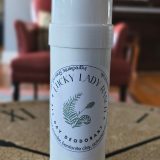 All Day DeodorantAluminum free deodorant that passed every sweaty test we gave it.
 Body BarA true cold process soap for gentle, everyday cleansing.
Questions people ask
How long does it take to adjust to natural deodorant?
Many people notice more sweat and odor for about two to four weeks after stopping antiperspirant. Most have a good sense of how a natural deodorant works for them after about a month.
Is the armpit detox real?
There is no scientific evidence that switching deodorants causes a toxin detox. The adjustment period is more likely due to unblocked sweat ducts and shifts in underarm bacteria.
Why does natural deodorant give me a rash?
Baking soda is alkaline and can irritate some people's underarm skin. Applying to dry skin, using less, avoiding application right after shaving, or switching to a baking soda free formula can help.
Do natural deodorants stop sweat?
No. Natural deodorants do not block sweat ducts the way aluminum antiperspirants do. They use ingredients like clay and arrowroot to absorb moisture and others to manage odor.
Does aluminum in antiperspirant cause cancer?
The National Cancer Institute and American Cancer Society report no convincing evidence linking antiperspirants to breast cancer. Some people still prefer aluminum-free products for personal reasons.
Sources and further reading
- National Cancer Institute (NCI), Antiperspirants/Deodorants and Breast Cancer
- American Cancer Society, Antiperspirants and Breast Cancer Risk
- Alzheimer's Association, Myths About Alzheimer's
- Urban J et al., The effect of habitual and experimental antiperspirant and deodorant product use on the armpit microbiome, PeerJ, 2016
- US Food and Drug Administration (FDA), Antiperspirant Drug Products for Over-the-Counter Human Use, Final Monograph
This guide is for general education and is not medical advice. If you have a skin condition, allergy, or are pregnant or nursing, talk with your doctor or a board certified dermatologist about the products that are right for you.


