Shea Butter: Benefits for Skin, Lips and Hair
Shea butter is a rich, plant based fat from West Africa that helps soften dry skin, lips and hair. Here is how it works, how to use it, and how to pick a good one.

Key takeaways
- Shea butter is the fat pressed from the nuts of the shea tree, which grows across the savanna belt of West and Central Africa.
- It is an emollient and a light occlusive, so it softens dry skin and helps slow water loss from the surface.
- Unrefined shea keeps more of its natural compounds and its nutty scent; refined shea is whiter and milder smelling.
- Because pure shea butter contains no water, a shea balm can be made without the preservatives that water based lotions need.
- Reactions are uncommon, but anyone with a tree nut allergy should talk with an allergist before using it.
Few ingredients have as long a track record on skin as shea butter. Families across West Africa have used it for generations on dry hands, cracked heels, babies, and hair, and it now turns up in everything from drugstore lotions to luxury creams. The good news is that the plain, minimally processed version is still one of the most useful things you can put on dry skin. Here is what shea butter actually is, what it does well, what it does not do, and how to choose a good one.
What is shea butter?
Shea butter is the natural fat extracted from the nuts of the shea tree, Vitellaria paradoxa. The tree grows wild across the dry savanna belt of West and Central Africa, in countries such as Ghana, Burkina Faso, Mali, and Nigeria. Shea trees take many years to begin bearing fruit, and most shea is still gathered from wild or semi wild trees rather than plantations.
Traditional production is labor intensive and is largely done by women. The nuts are collected, boiled, dried, cracked, roasted, ground into a paste, and kneaded with water until the fat separates and floats. That fat is skimmed, cooled, and becomes the ivory to pale yellow butter many people know. In many communities, shea income is an important source of earnings for women, which is why you will often see shea sold through women's cooperatives.
On an ingredient label, shea butter is listed under its INCI name, Butyrospermum Parkii (Shea) Butter, an older botanical name that is still used on packaging. You may also see Vitellaria Paradoxa or "shea butter" written plainly.
What shea butter does for skin
Shea butter is mostly made of fatty acids, chiefly stearic acid and oleic acid. Stearic acid is solid at room temperature and gives shea its firm, creamy body. Oleic acid is a liquid fatty acid that makes it feel soft and spreadable once it warms against skin.
That combination makes shea an emollient, meaning it fills in the tiny gaps between dry, flaky skin cells so skin feels smoother. It is also a mild occlusive, leaving a thin layer that helps slow the evaporation of water from the skin's surface. That is the main reason it is so comforting on rough elbows, knees, heels, and hands in winter.
Shea is also unusually high in what chemists call the unsaponifiable fraction: the part of a fat that does not turn into soap when it reacts with lye. In shea, this portion includes plant compounds such as triterpene esters and small amounts of tocopherols (vitamin E). Laboratory and small human studies suggest some of these compounds may have soothing and antioxidant properties. A 2018 review of plant oils in the International Journal of Molecular Sciences discussed shea among oils with possible skin barrier and anti inflammatory effects, while noting that more rigorous research is needed. That is a fair summary: shea is a proven moisturizer, and the rest is encouraging but not settled.
For lips
Lips have a very thin outer layer and almost no oil glands, so they dry out fast. Shea's soft, cushiony texture makes it a classic lip balm base, usually combined with a wax to hold it in place. Our Lip Love lip balm pairs shea with cocoa butter and beeswax for exactly that reason.
For hair
On hair, shea works as a sealant and a light styling butter. A small amount warmed between the palms can help smooth the look of frizz, reduce the rough feel of dry ends, and add soft definition to curls and coils. It is heavy, so people with fine or oily hair usually prefer a tiny amount on the ends only. If you want a deeper dive into scalp and strand care, see our guide to non toxic hair care.
Unrefined vs refined shea butter
You will see shea sold in two broad forms, and the difference matters.
- Unrefined (raw) shea butter is filtered but not heavily processed. It is ivory to yellowish, has a distinctive smoky, nutty smell, and keeps more of its natural unsaponifiables and vitamin E.
- Refined shea butter has been deodorized and often bleached, sometimes with solvent extraction. It is bright white and nearly odorless, which makes it easy to use in scented products, but some of the naturally occurring compounds are reduced in the process.
Unrefined shea simply offers more of what makes shea special, which is why our Body Balm is made with unrefined shea butter, vitamin E, and organic beeswax.
A gentler alternative to preserved lotions
Here is a part of the shea story that rarely gets told. Most conventional lotions and creams are mostly water. Anywhere there is water, bacteria, yeast, and mold can grow, so water based lotions need strong preservatives to stay safe in the bottle. That is where ingredients like parabens, formaldehyde releasers, and phenoxyethanol come in.
Regulators allow these preservatives at set limits, and preservation itself is a good thing: a contaminated lotion is worse than a preserved one. But some people react to certain preservatives, and others simply prefer fewer synthetic additives on their skin every day.
Pure shea butter contains no water. A balm made only of butters, oils, and wax (what formulators call an anhydrous product) gives microbes very little to work with, so it can be made without added synthetic preservatives. The tradeoff is texture: a balm feels richer than a lotion and takes a minute to sink in. Keeping water out of the jar (no wet fingers) helps it stay fresh. Our article on natural products and shelf life covers storage in more detail.
Shea is also a plant based alternative to petroleum derived occlusives such as mineral oil and petrolatum. Those are considered safe when properly refined, but many people prefer a butter that comes from a tree rather than a refinery.
How to use shea butter
- Warm it first. Unrefined shea is firm. Scoop a pea sized amount and rub it between your palms until it melts into an oil.
- Apply to damp skin. Right after a shower, pat skin mostly dry and press the shea in. It helps hold in the water still sitting on the surface.
- Use less than you think. A little covers a lot.
- Target the dry spots. Heels, elbows, knuckles, cuticles, and lips get the most benefit.
- For hair, work a tiny amount through the ends of damp or dry hair, or use it to seal in moisture after a leave in conditioner.
Shea also shows up in cold process soap. In our Body Bar, it contributes to a creamy, conditioning lather. Some of its unsaponifiable compounds remain in the finished bar because they do not turn into soap.
Who should be careful
Shea butter is very well tolerated, but a few cautions are worth knowing.
- Tree nut allergies. Shea is a tree nut. Reported allergic reactions to topical shea butter are rare, likely because the butter contains very little protein, but rare is not never. If you have a tree nut allergy, talk with your allergist before using shea products.
- Acne prone faces. Rich butters can feel too heavy for some oily or breakout prone skin. Many people do fine, but try it on a small area first and see how your skin responds over a week or two.
- Eczema and very sensitive skin. Plain shea is a common choice for dry, sensitive skin, but any new product can irritate. Patch test, and if you are managing a skin condition, ask your dermatologist. Our guide to sensitive skin irritants may also help.
Quality tips: choosing good shea butter
- Smell it. Good unrefined shea smells mildly nutty or smoky. A sharp, sour, or crayon like smell suggests it has gone rancid.
- Look at the color. Ivory to light yellow is normal for unrefined shea. Bright yellow shea is often colored with added plant materials.
- Expect some graininess. Shea can develop small grains if it melts and cools slowly. It is a texture change, not spoilage, and the grains melt on skin.
- Check the full ingredient list. "Shea butter" products can be mostly water, mineral oil, and fragrance with a little shea added. Our guide to reading cosmetic ingredient labels explains how to tell.
- Store it cool and dry. Keep the lid closed, away from heat and direct sun, and use clean, dry hands or a scoop.
Simple ingredients, honest results
Shea butter is a good example of why we keep our formulas short. It does one job very well: it softens and protects dry skin. It does not need fillers, synthetic fragrance, or a long list of additives to do it. At Lucky Lady Ranch, we would rather give you a few ingredients you can recognize and trust than a long label you need a chemistry degree to read. When the base is this good, what you leave out matters just as much as what you put in.
From the ranch
Made in small batches, without the ingredients discussed above.
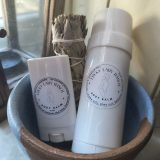 Body BalmUnrefined shea and organic beeswax for hard working skin.
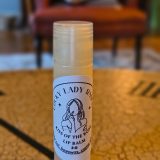 Lip BalmLip Love: our beauty oil blend with shea, cocoa butter and beeswax.
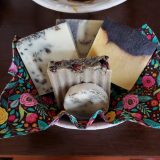 Body BarA true cold process soap for gentle, everyday cleansing.
Questions people ask
Is shea butter good for your face?
Many people use shea butter on the face, especially in dry or cold weather. It is rich, so people with oily or acne prone skin may find it too heavy. Try a small amount on one area for a week or two before using it all over.
What is the difference between raw and refined shea butter?
Raw or unrefined shea butter is filtered but not deodorized, so it keeps its nutty scent and more of its natural compounds. Refined shea is processed to be white and nearly odorless, and some of those natural compounds are reduced along the way.
Can people with nut allergies use shea butter?
Shea comes from a tree nut. Reactions to topical shea butter appear to be rare, probably because it contains very little protein, but anyone with a tree nut allergy should check with an allergist before using it.
Why does my shea butter feel grainy?
Graininess happens when the different fats in shea melt and then cool at different speeds, forming small crystals. It does not mean the butter has spoiled, and the grains melt as soon as they touch warm skin.
Does shea butter clog pores?
Shea butter is often described as having a low tendency to clog pores, but skin varies a lot from person to person. If you are breakout prone, test it on a small patch first and use a light amount.
Sources and further reading
- Lin TK, Zhong L, Santiago JL. Anti-Inflammatory and Skin Barrier Repair Effects of Topical Application of Some Plant Oils. International Journal of Molecular Sciences, 2018
- Cosmetic Ingredient Review (CIR), Safety Assessment of Plant-Derived Fatty Acid Oils as Used in Cosmetics
- Global Shea Alliance, information on shea production and women collectors
- US Food and Drug Administration (FDA), Cosmetics: Allergens in Cosmetics
- Food Allergy Research and Education (FARE), Tree Nut Allergy
This guide is for general education and is not medical advice. If you have a skin condition, allergy, or are pregnant or nursing, talk with your doctor or a board certified dermatologist about the products that are right for you.


