Beeswax in Skin Care: A Natural Protective Barrier
Beeswax gives balms and lip care their structure and leaves a thin, flexible layer that helps protect skin. Here is how it works and how it compares to petroleum and synthetic waxes.

Key takeaways
- Beeswax is made by worker honeybees and is listed on labels as Beeswax, Cera Alba, or Cera Flava.
- It thickens balms and lip products and leaves a flexible film that helps slow moisture loss without feeling plastic.
- It is a natural alternative to paraffin, petrolatum, and synthetic waxes such as polyethylene.
- True beeswax allergy is uncommon, but people sensitive to propolis or bee products should patch test first.
- Vegans and people who avoid animal products can look for plant waxes such as candelilla or carnauba.
If you have ever smoothed on a lip balm that stayed put through a windy afternoon, there is a good chance beeswax was doing the work. It is one of the oldest cosmetic ingredients there is, and it is still one of the best at a simple but important job: helping a product hold its shape and helping skin hold on to its moisture. Here is a calm look at what beeswax is, what it does on skin, and how it compares with the petroleum and plastic based waxes it often replaces.
What is beeswax?
Beeswax is a natural wax produced by young worker honeybees. Special glands on the underside of the bee's abdomen secrete thin wax flakes, which the bees chew and shape into the hexagonal cells of the honeycomb. Bees use a large amount of honey to make wax, so beekeepers treat it as a precious byproduct. It is usually collected from the cappings that seal honey cells, which are sliced off during honey harvest, then melted and filtered.
Chemically, beeswax is a blend of wax esters (long chain fatty acids bonded to long chain alcohols), hydrocarbons, and free fatty acids. That mix gives it a melting point well above body temperature, roughly in the low 60s Celsius (mid 140s Fahrenheit). In practice, that means it stays solid in the tube but softens enough to glide on.
Names you will see on labels
- Beeswax or Cera Alba: the standard ingredient name, often used for both yellow and white wax.
- Cera Flava: yellow, unbleached beeswax, used in some European labeling.
- White beeswax: wax that has been filtered or bleached to remove color and much of the honey scent.
Yellow beeswax keeps its natural golden color and a faint honey smell. Organic beeswax comes from hives managed under organic standards, which generally address the forage area and the treatments used in the hive.
What beeswax does for skin
Beeswax plays two roles in a formula.
First, it is a structuring agent. Oils are liquid and butters soften quickly in warm weather. A little beeswax turns them into a firm balm or a lip stick that does not melt in your pocket. Formulators adjust the amount of wax to make a product softer or firmer.
Second, it is an occlusive. On skin, beeswax leaves a thin, flexible film that helps slow transepidermal water loss, the steady evaporation of water from skin into dry air. Compared with heavy petroleum jelly, many people find that beeswax feels less greasy and more breathable, though both work on the same basic principle of creating a light seal on the surface.
That protective film is why beeswax is a staple in:
- Lip balms, where lips need protection from wind, cold, and sun (our Lip Love lip balm is one example)
- Body balms and salves for dry hands, elbows, and heels
- Cuticle and nail balms
- Mineral sun care, where wax helps a zinc formula spread and stay in place, as in our Mineral Sunblock
- Hair pomades and mustache waxes that need hold
Beeswax also contains small amounts of natural compounds carried over from the hive. Some laboratory research has looked at possible antimicrobial properties of beeswax and honey mixtures, but that work is early. The reliable benefits are physical: structure and protection.
A gentler alternative to petroleum and plastic waxes
Lip balms and balms need some kind of wax or occlusive, and conventional products often use petroleum based ones. Common examples include:
- Paraffin wax and microcrystalline wax, which are refined from petroleum
- Petrolatum (petroleum jelly) and mineral oil
- Polyethylene, a synthetic polymer wax that is chemically the same family as plastic bags, used to thicken lipsticks, balms, and creams
To be fair, highly refined petrolatum and mineral oil are considered safe for cosmetic use by US and European regulators. The concern with petroleum ingredients is mostly about poorly refined grades that can carry contaminants, along with the simple preference for renewable ingredients. You can read the full picture in our article on mineral oil and petrolatum.
Synthetic polymers raise a different question. Polyethylene and similar plastics do not break down readily in the environment. The US banned plastic microbeads in rinse off cosmetics in 2015, and the European Union has adopted broader restrictions on intentionally added microplastics, phased in over several years. Waxy polymers and liquid plastics are part of that conversation, which we cover in microplastics and liquid polymers in beauty products.
Beeswax offers the same practical benefits, structure and a protective film, from a renewable source that biodegrades. For people trying to reduce petroleum and plastic in their routine, it is one of the easiest swaps to make.
How to use beeswax products
- Lips: apply a thin layer before going outside in cold or wind, and again before bed. Balms work best on lips that are not already raw and peeling; if they are, be gentle and avoid picking.
- Hands and feet: warm a small amount of balm between your fingers and massage into dry spots. At night, a layer of balm under cotton socks or gloves can feel very comforting.
- Cuticles: a dab of beeswax balm pushed into the cuticle line helps soften dry, ragged edges.
- After bathing: like other occlusives, beeswax balms work best on skin that is still slightly damp, because they help hold that water in.
A balm made with shea butter and beeswax, like our Body Balm, combines the softening of a butter with the staying power of a wax.
Who should be careful
- Propolis and bee product sensitivity. Beeswax itself rarely causes allergic reactions, but it can contain traces of propolis, a resin bees collect from trees. Propolis is a known contact allergen. If you have reacted to propolis, honey based products, or bee pollen, patch test on the inner arm for a couple of days before using a beeswax product.
- Bee sting allergy. Sting allergy is a reaction to venom, which is a different thing from wax. Still, if you have a serious bee allergy and are unsure, ask your allergist.
- Acne prone skin. Occlusive waxes can feel too heavy on oily facial skin. Most people use beeswax products on lips and body rather than all over the face.
- Vegans and those who avoid animal products. Beeswax is an animal product. Candelilla wax and carnauba wax are plant waxes that serve a similar purpose, though they behave a bit differently in a formula.
For babies and young children, a simple beeswax balm is a common choice for dry cheeks and hands, but check with your pediatrician if your child has eczema or allergies. Our guide to non toxic skin care for babies and kids has more on keeping routines simple.
Quality tips
- Look for beeswax near the end of a short list. In a balm or lip product, wax is usually a small percentage. The rest should be oils and butters you recognize.
- Watch for blends. Some products combine beeswax with paraffin or polyethylene. The ingredient label will tell you.
- Know that bloom is normal. Beeswax products sometimes develop a faint white haze on the surface over time. This is called bloom, a natural crystallization, not mold, and it wipes away or melts with the warmth of your skin.
- Store away from heat. Balms will soften in a hot car. Let them cool and they will firm up again, though the texture can change slightly.
- Buy from sources you trust. Beeswax is sometimes adulterated with cheaper waxes. Small producers who know their beekeepers can usually tell you where their wax comes from.
A small gift from the hive
Beeswax is a quiet ingredient. It does not promise miracles, and it does not need to. It simply helps oils and butters stay where you put them and helps your skin keep the moisture it already has. At Lucky Lady Ranch, we reach for organic beeswax because it lets us make balms, lip care, and mineral sun protection without petroleum waxes or plastic thickeners. Leaving those out is part of how we keep our labels short and our ingredients easy to understand.
From the ranch
Made in small batches, without the ingredients discussed above.
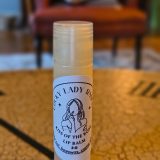 Lip BalmLip Love: our beauty oil blend with shea, cocoa butter and beeswax.
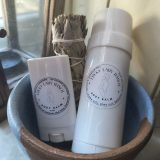 Body BalmUnrefined shea and organic beeswax for hard working skin.
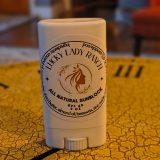 Mineral SunblockZinc oxide in a beeswax balm, without chemical UV filters.
Questions people ask
Is beeswax good for your lips?
Yes, for most people. Beeswax helps lip balm stay on and leaves a thin protective layer that slows moisture loss in dry, cold, or windy weather. It works best paired with nourishing oils and butters.
Is beeswax better than petroleum jelly?
Both create a protective film on skin. Refined petroleum jelly is considered safe, but it comes from petroleum. Beeswax is renewable and biodegradable, and many people find it feels less greasy. Which is better depends on your priorities and how your skin responds.
Can you be allergic to beeswax?
It is uncommon, but possible. Reactions are more often linked to propolis, a tree resin that can be present in small amounts in beeswax. People sensitive to propolis or other bee products should patch test first.
What is the white film on my beeswax balm?
A faint white haze is usually bloom, a natural crystallization that happens to beeswax over time. It is harmless and melts away when the balm warms on your skin. Fuzzy spots or an off smell are a different matter and mean the product should be thrown away.
What is a vegan substitute for beeswax?
Candelilla wax and carnauba wax are plant waxes commonly used instead of beeswax. They are harder than beeswax, so formulators usually use less of them.
Sources and further reading
- US Food and Drug Administration (FDA), 21 CFR 184.1973, Beeswax (yellow and white), Generally Recognized as Safe
- European Commission, CosIng Cosmetic Ingredient Database: Cera Alba
- US Congress, Microbead-Free Waters Act of 2015
- European Commission, Regulation (EU) 2023/2055 restricting intentionally added microplastics
- DermNet, Allergy to propolis
This guide is for general education and is not medical advice. If you have a skin condition, allergy, or are pregnant or nursing, talk with your doctor or a board certified dermatologist about the products that are right for you.


