Microplastics and Liquid Polymers in Beauty Products
The US banned plastic microbeads in rinse off scrubs, but tiny plastics and synthetic polymers still appear in many beauty products. Here is how to recognize them.

Key takeaways
- Microplastics are tiny solid plastic particles, and some are added on purpose to cosmetics for texture, shimmer or scrubbing.
- The US Microbead-Free Waters Act banned plastic microbeads only in rinse off products.
- The EU adopted a broader restriction in 2023 that phases out intentionally added microplastics, including loose glitter.
- Liquid and soluble synthetic polymers are a separate group whose environmental fate is less understood.
- Natural exfoliants like sugar, salt and oats are simple swaps that dissolve or break down.
A decade ago, many face scrubs and body washes were full of tiny plastic beads. They felt gritty and satisfying, then washed straight down the drain, through water treatment plants and into rivers, lakes and oceans. Public pressure and new laws pushed those beads off shelves. But plastic did not disappear from beauty products. It simply became harder to see. Today, microplastics and synthetic polymers can turn up in makeup, sunscreen, shampoo and more, often under names that do not sound like plastic at all.
What Are Microplastics?
Microplastics are solid plastic particles smaller than 5 millimeters. Some form when larger plastic items break down. Others, called primary microplastics, are manufactured small on purpose. In cosmetics, intentionally added microplastics may serve as:
- Exfoliants, the classic microbeads in scrubs
- Texture and blur agents that give powders and foundations a soft focus finish
- Film formers that help mascara, sunscreen and hair spray hold
- Glitter and shimmer, often made of plastic film coated with metal or color
- Opacifiers that make body washes look creamy
Liquid Polymers: A Related Concern
Beyond solid particles, many products contain synthetic polymers that are liquid, gel or dissolved in water. These are sometimes called "liquid plastics," although that term is more of an advocacy phrase than a scientific category. They are not microplastics by strict definition, and many are not known to be harmful. The open question is what happens to them in the environment, since many are not readily biodegradable and research on their fate is limited.
Where They Show Up
- Exfoliating scrubs and cleansers, especially older or imported products
- Foundations, primers, pressed powders and setting sprays
- Mascara, eyeliner and long wear lipstick
- Glitter makeup, body glitter and shimmer lotions
- Sunscreens and hair styling products
- Nail polish and some deodorants
Label Names to Watch For
- Polyethylene (PE) and polypropylene (PP)
- Nylon-6 and nylon-12
- Polymethyl methacrylate (PMMA)
- Polyethylene terephthalate (PET), common in glitter
- Polyurethane and polystyrene
- Acrylates copolymer and acrylates crosspolymer
- Ethylene/VA copolymer
Not every polymer on a label is a microplastic. Cellulose, xanthan gum and other natural polymers are not plastic, and some synthetic polymers dissolve fully. Context matters, which is why learning how to read a cosmetic ingredient label is useful.
What Research and Regulators Say
The US Microbead Ban
The Microbead-Free Waters Act of 2015 banned plastic microbeads in rinse off cosmetics, including toothpaste, with manufacturing stopped in 2017 and sales ended by 2018 for most products. It was a meaningful step, but narrow. It covers only rinse off products and only solid plastic beads used to exfoliate or cleanse. Leave on products like makeup and lotion are not included.
The EU Restriction
In 2023, the European Union adopted a much broader restriction on intentionally added microplastics across many product categories. Loose plastic glitter and microbeads were among the first items affected. For cosmetics, the rule phases in over years: rinse off products first, then leave on products, with lip, nail and makeup products given the longest transition. The approach reflects a broader regulatory gap explored in our piece on US vs EU cosmetic rules.
Health and Environmental Research
The environmental case is clearer than the health case. Microplastics persist for a very long time, accumulate in waterways and soil, and are eaten by fish, shellfish and other wildlife. The European Chemicals Agency estimated that tens of thousands of tons of microplastics were intentionally added to products and released in Europe each year before the restriction.
Human health research is newer. Scientists have detected microplastics in human blood, lungs, placenta and other tissues, and researchers are studying whether they cause inflammation or carry other chemicals into the body. At this point, the health effects of these particles in people are not well understood, and cosmetics are one source among many, alongside food, water, air and textiles. It is fair to say the evidence is still emerging rather than settled.
What Happens After the Drain
It is tempting to assume water treatment plants catch everything. Modern plants do remove a large share of microplastic particles from wastewater, but much of what they capture ends up in sewage sludge. In many places, treated sludge is spread on farmland as fertilizer, which means particles that left your bathroom sink can end up in agricultural soil. The rest passes through to rivers and the sea. Older treatment systems and stormwater overflows let even more through. This is why environmental researchers focus on stopping plastics at the source rather than relying on filtration downstream.
A Note on "Eco" Glitter
Plant based glitters made from cellulose are a genuine improvement over plastic glitter, but they are not always as simple as they sound. Some still include thin metallic or polymer coatings to create sparkle and color, which can affect how fully they break down. If glitter matters to you, look for brands that explain exactly what their glitter is made from, and use it sparingly.
Who Should Be Most Careful
- Anyone who uses scrubs often, especially products purchased abroad or online, where US rules may not apply.
- Glitter lovers, since most cosmetic glitter is plastic. Plant cellulose and mineral based glitters exist as alternatives.
- Families, since children's play makeup is often heavy in glitter. See non toxic skin care for kids.
- Environmentally minded shoppers who want to reduce what goes down the drain.
How to Spot and Avoid Microplastics
- Read for the polymer names above, especially polyethylene, nylon, PMMA and acrylates in rinse off and leave on products.
- Switch to natural exfoliants like sugar, salt, ground oats or jojoba beads, which dissolve or biodegrade.
- Choose plastic free glitter or skip it.
- Simplify long wear makeup, which often relies on film forming polymers, along with ingredients like PFAS and cyclic silicones.
- Think about packaging too. Solid bars and tins reduce plastic waste, which matters as much as what is inside.
- Use what you have. Throwing out half used products sends them to a landfill anyway. Finish them, or pass them on, and make better choices as you replace them.
Plants, Minerals and Very Little Plastic
At Lucky Lady Ranch, our formulas are built from plant oils, butters, beeswax, clays and minerals, with no plastic beads, glitter or synthetic film formers. Our Epsom Sea Salt Bath Soak uses salt and clay that dissolve in the tub, and our article on Epsom salt and sea salt baths explains how they are used. A handful of the soak with a bit of oil makes a simple, gentle body scrub. For daily washing, our Body Bar comes with very little packaging and leaves nothing behind but soap. The rule is easy to remember: if it should not end up in a river, it does not need to be on your skin.
From the ranch
Made in small batches, without the ingredients discussed above.
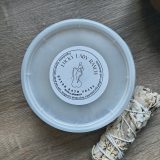 Epsom Sea Salt Bath SoakEpsom salt, sea salt and magnetic clay for a long, quiet soak.
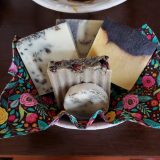 Body BarA true cold process soap for gentle, everyday cleansing.
Questions people ask
Are microbeads still in cosmetics?
Plastic microbeads were banned in US rinse off cosmetics by 2018. However, microplastics can still appear in leave on products like makeup and lotions, and in products bought from other countries.
What ingredients are microplastics in makeup?
Common examples include polyethylene, polypropylene, nylon-12, polymethyl methacrylate (PMMA), polyethylene terephthalate (often in glitter) and some acrylates copolymers. Not every polymer is a microplastic, so context matters.
Is glitter banned in the EU?
Loose plastic glitter was among the first products affected by the EU's 2023 restriction on intentionally added microplastics. Glitter in cosmetics faces a phased transition, and plastic free glitters made from cellulose or minerals remain allowed.
Are microplastics in cosmetics harmful to health?
Research on health effects in people is still emerging. Microplastics have been found in human tissues, but their effects are not well understood. The environmental harm is clearer, since they persist and accumulate in water and wildlife.
Sources and further reading
- US Food and Drug Administration (FDA), The Microbead-Free Waters Act: FAQs
- European Commission, Commission Regulation (EU) 2023/2055 Restricting Microplastics Intentionally Added to Products
- European Chemicals Agency (ECHA), Restriction Proposal on Intentionally Added Microplastics
- US Environmental Protection Agency (EPA), Microplastics Research
- UNEP (UN environment agency), Plastic in Cosmetics: Are We Polluting the Environment Through Our Personal Care?
This guide is for general education and is not medical advice. If you have a skin condition, allergy, or are pregnant or nursing, talk with your doctor or a board certified dermatologist about the products that are right for you.


