Jojoba Oil: The Plant Oil That Mimics Skin's Own Sebum
Jojoba is not really an oil at all but a liquid wax from a desert shrub, and its structure resembles part of your skin's natural sebum. Here is why that matters.

Key takeaways
- Jojoba comes from the seeds of a desert shrub native to the US Southwest and northwest Mexico.
- It is a liquid wax rather than a true oil, and its wax esters resemble a component of human sebum.
- It is lightweight, very stable, and slow to go rancid, which makes it a favorite base for facial oils.
- It is a plant based alternative to mineral oil in baby oils, makeup removers, and facial products.
- Allergic reactions are uncommon, but patch testing any new facial product is a good habit.
Jojoba (pronounced ho HO ba) has a reputation as the facial oil for people who are afraid of facial oils. It feels light, sinks in without a slick, and tends to be well tolerated across many skin types. The reason has to do with an unusual fact: jojoba is not technically an oil at all. Here is what makes it different, how to use it, and why it is a natural alternative to the mineral oil found in so many conventional products.
What is jojoba oil?
Jojoba oil is pressed from the seeds of Simmondsia chinensis, a hardy evergreen shrub native to the Sonoran Desert of Arizona, southern California, and northwest Mexico. Despite the Latin name, it has nothing to do with China; the label came from a botanical mix up long ago. The plant thrives in heat and poor soil, and it is now farmed in several dry regions around the world, including the American Southwest, Israel, Argentina, and Australia.
Indigenous peoples of the Sonoran region used jojoba seeds and their oil long before it became a commercial crop. Large scale farming grew in the 1970s, in part because jojoba was found to be a useful replacement for sperm whale oil after whaling restrictions made that oil unavailable.
On ingredient labels, look for Simmondsia Chinensis (Jojoba) Seed Oil. You may also see Jojoba Esters, which are a modified, more solid form, and Hydrogenated Jojoba Oil, which is sometimes made into tiny beads for gentle exfoliation.
Why jojoba resembles your skin's own oil
Most plant oils, like olive or sunflower, are triglycerides: three fatty acids attached to a glycerol backbone. Jojoba is different. About 97 percent of it is made of wax esters, long chain fatty acids bonded to long chain fatty alcohols. Chemically, it is a liquid wax.
Human sebum, the oil your skin produces, is a mix of several kinds of lipids. A significant portion of it is wax esters, which are unusual in nature and not found in most other plant oils. That is why jojoba is often described as "mimicking" sebum. A more precise way to say it is that jojoba resembles one important component of sebum, which may help explain why it feels so familiar on skin.
You will sometimes read that jojoba "tells your skin to make less oil." That idea is popular but not well proven. What is better supported is simpler: jojoba is an effective emollient that softens skin and helps reduce water loss without feeling heavy.
What jojoba does for skin and hair
- Softens and conditions. It fills in gaps between dry skin cells so skin looks smoother and feels more supple.
- Feels light. Its texture is thinner and less greasy than many butters and heavy oils, which suits faces and combination skin.
- Stays fresh. Because it is a wax with very few of the fragile double bonds that make oils go rancid, jojoba is remarkably stable. It holds up much longer on the shelf than delicate oils such as rosehip seed oil, which is why it is often used as a base in facial blends.
- Dissolves makeup and sunscreen. Like other oils, it breaks down oily makeup and sunscreen so they wipe or rinse away more easily.
- Conditions hair and scalp. A few drops smooth the ends of dry hair and can help a dry, tight feeling scalp feel more comfortable.
A 2013 review of jojoba in dermatology described its emollient properties and its long history of cosmetic use, and noted early research on its possible soothing effects. As with many botanicals, the moisturizing benefit is the most firmly established; other claims need more research.
A gentler alternative to mineral oil
Classic baby oil is mostly mineral oil with added fragrance. Mineral oil and petrolatum also show up in makeup removers, cold creams, body lotions, and hair products. They are refined from petroleum and, when highly refined to cosmetic grade, are considered safe by regulators. Lesser refined grades can contain contaminants, which is why the grade and source matter. Our full article on mineral oil and petrolatum walks through both the concerns and the reassurances.
Jojoba covers almost every job mineral oil does in personal care. It removes makeup, softens skin, and adds slip for massage, but it comes from a renewable plant crop rather than a refinery. It also does not need added fragrance to feel pleasant, which matters because synthetic fragrance is one of the more common causes of skin reactions to cosmetics.
If you are replacing a mineral oil makeup remover, plain jojoba or a simple jojoba based blend is one of the easiest switches you can make.
How to use jojoba oil
On the face
- Cleanse and gently pat your face so it is still slightly damp.
- Warm two to four drops between your fingertips.
- Press the oil into your skin rather than rubbing hard.
- At night, use it as your last step. In the morning, follow with sun protection.
Our Beauty Oil uses jojoba as part of a facial blend with sweet almond, avocado, rosehip seed, and prickly pear seed oil.
As a makeup remover
Massage a small amount over dry skin to dissolve makeup, then wipe away with a warm, damp cloth. Follow with a gentle cleanser if you like a squeaky feel, or skip it if your skin is dry.
On hair, nails, and body
- Smooth one or two drops through the ends of dry hair.
- Massage a drop into cuticles to soften dry edges.
- Add a few drops to a warm bath or use it as a light massage oil.
Who should be careful
- Acne prone skin. Jojoba is generally considered unlikely to clog pores, and many people with oily skin like it. Still, everyone's skin is different. Start with a small amount on a limited area and watch for new breakouts over two weeks.
- Allergies. Allergic reactions to jojoba are uncommon but have been reported. A patch test on the inner arm for 24 to 48 hours is a sensible first step with any new facial product.
- Skin conditions. If you are being treated for rosacea, eczema, acne, or another skin condition, talk with your dermatologist before adding oils to your routine. Our guide to sensitive skin irritants explains which ingredients are most often a problem.
- Do not swallow it. Jojoba is for external use. Its wax esters are not digested well and can cause stomach upset.
Quality tips: golden vs clear jojoba
- Golden jojoba is cold pressed and unrefined. It has a light golden color and a faint, nutty scent.
- Clear jojoba has been refined or filtered to remove color and scent. It is still jojoba, just with fewer natural trace compounds.
- Check for blends. Some inexpensive "jojoba" products are diluted with cheaper oils. The label should list jojoba as the only ingredient if it is sold as pure.
- Look for a sealed, dark or opaque bottle. Jojoba is stable, but light and heat are still not friends to any oil.
- Do not worry about cloudiness. Jojoba can turn cloudy or partly solid in a cold room. That is a normal property of a liquid wax and it clears as it warms.
Familiar to your skin, simple by design
Jojoba is a good reminder that the best ingredients are often the plain ones. It does not need synthetic fragrance, petroleum, or a long list of additives to feel good on skin. At Lucky Lady Ranch, we choose oils like jojoba because they are honest about what they do: they soften, they protect, and they let your skin be itself. For more on putting a simple routine together, see how to build a non toxic daily routine.
From the ranch
Made in small batches, without the ingredients discussed above.
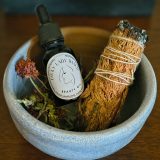 Beauty OilSeven plant oils for a soft, dewy, healthy looking face.
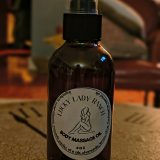 Body OilA silky blend of high quality oils for moisture and massage.
Questions people ask
Is jojoba oil good for oily skin?
Many people with oily or combination skin like jojoba because it feels light and is generally considered unlikely to clog pores. The idea that it reduces your skin's oil production is popular but not well proven. Test it on a small area first.
Is jojoba oil better than mineral oil?
Both soften skin and remove makeup well. Cosmetic grade mineral oil is considered safe, but it is a petroleum product. Jojoba is a renewable plant ingredient with a similar light feel, and many people simply prefer it.
Can I use jojoba oil to remove makeup?
Yes. Massage it over dry skin to dissolve makeup and sunscreen, then wipe away with a warm, damp cloth. Avoid getting oil directly in your eyes, and rinse if you do.
Does jojoba oil expire?
Jojoba is one of the most stable cosmetic oils because it is a liquid wax, so it lasts much longer than most plant oils. It can still go off eventually, so store it away from heat and light and replace it if the smell turns sharp or stale.
Why did my jojoba oil turn cloudy?
Jojoba can thicken or turn cloudy in cool temperatures because it is a liquid wax. It is not spoiled. Let it warm to room temperature and it will clear again.
Sources and further reading
- Pazyar N, Yaghoobi R, Ghassemi MR, et al. Jojoba in dermatology: a succinct review. Giornale Italiano di Dermatologia e Venereologia, 2013
- Cosmetic Ingredient Review (CIR), Safety Assessment of Simmondsia Chinensis (Jojoba) Seed Oil and related ingredients
- Cosmetic Ingredient Review (CIR), Safety Assessment of Mineral Oil and Petrolatum
- European Commission, CosIng Cosmetic Ingredient Database: Simmondsia Chinensis Seed Oil
- US Department of Agriculture (USDA), Plant Guide: Jojoba, Simmondsia chinensis
This guide is for general education and is not medical advice. If you have a skin condition, allergy, or are pregnant or nursing, talk with your doctor or a board certified dermatologist about the products that are right for you.


