Rosehip Seed Oil: Vitamin Rich Facial Oil
Rosehip seed oil is rich in essential fatty acids and natural carotenoids, which makes it a favorite facial oil. Here is what it can do, what is overstated, and how to use it.

Key takeaways
- Rosehip seed oil is pressed from the seeds of wild rose hips, mostly grown in Chile.
- It is rich in linoleic and alpha linolenic acids plus natural carotenoids, which give it its amber color.
- Rose hip fruit is high in vitamin C, but the oil itself contains very little, since vitamin C does not dissolve in oil.
- Small studies on scar appearance are encouraging, but rosehip is a gentle cosmetic oil, not a replacement for medical treatment.
- It oxidizes quickly, so buy small bottles, keep them cool and dark, and use them within months.
Rosehip seed oil has quietly become one of the most beloved facial oils in natural skin care. It is light, absorbs quickly, and has a lovely amber glow in the bottle. It also attracts a lot of big claims, from fading scars to replacing retinol. Some have a little research behind them and some do not. Here is a calm, honest guide to what rosehip seed oil is and how to get the most from it.
What is rosehip seed oil?
Rose hips are the small, round fruits that form after a wild rose blooms and drops its petals. Rosehip seed oil is pressed from the tiny seeds inside those fruits, most often from wild roses such as Rosa canina (dog rose) and Rosa rubiginosa (sweet briar, also called Rosa eglanteria). Much of the world's supply comes from the Andes of Chile, where these roses grow wild and are harvested by hand.
On labels, you may see Rosa Canina Fruit Oil, Rosa Rubiginosa Seed Oil, or Rosa Moschata Seed Oil. These are all forms of rosehip oil, named for the rose species used.
Rosehip oil is not the same as rose essential oil or rose water. Those come from the petals and are used mainly for scent. Rosehip seed oil is a carrier oil: it nourishes skin rather than perfuming it, and it smells faintly earthy rather than floral.
What is in it
- Essential fatty acids. Rosehip seed oil is unusually high in linoleic acid (an omega 6) and alpha linolenic acid (an omega 3). Together these often make up around three quarters of the oil. Linoleic acid is a building block of the lipids in the skin's outer barrier.
- Carotenoids. The orange to amber color comes from natural plant pigments such as beta carotene and lycopene, which have antioxidant properties. Unrefined oil keeps more of these.
- Tocopherols. Small amounts of naturally occurring vitamin E help protect the oil from oxidation.
- Retinoid questions. You will often read that rosehip oil contains tretinoin (trans retinoic acid). Some older analyses reported small amounts, but the levels appear low and variable, and rosehip oil should not be thought of as a substitute for prescription retinoids.
What about vitamin C?
Rose hip fruit is famously high in vitamin C, which is why rose hips have long been used in teas and syrups. But vitamin C is water soluble. It does not dissolve meaningfully into oil, so rosehip seed oil contains very little of it. If a product claims a big vitamin C boost from rosehip oil alone, that is a marketing stretch.
What rosehip oil does for skin
The most reliable benefit is simple: rosehip oil is a light, fast absorbing emollient that softens dry skin and helps it feel comfortable. Its fatty acid profile suits people who find heavier oils too rich.
Researchers have also looked at rosehip oil for the appearance of scars and skin texture. A few small clinical studies, including one on post surgical scars, reported improvements in redness and texture with regular use compared to no treatment. Those studies were small and not all were well controlled, so the fairest summary is "encouraging, not proven." Rosehip oil is a nice addition to a skin care routine, not a medical scar treatment. A dermatologist is the right person to talk with about significant scars.
Many people also reach for rosehip oil when they are bothered by uneven looking tone or dark spots. Keeping skin moisturized and using daily sun protection are the most important habits for an even looking complexion. Rosehip oil can be part of a gentle routine, but it is not a bleaching agent and does not work quickly.
A gentler alternative to harsh skin lighteners
Uneven skin tone is a common worry, and the conventional answer has often been aggressive. Hydroquinone works by interfering with pigment production, and it can be effective, but it can also cause irritation and, rarely with long term use, a darkening condition called exogenous ochronosis. The European Union does not allow hydroquinone in cosmetic skin lighteners, and in the US it is no longer sold over the counter following 2020 changes to federal rules for nonprescription drugs; it is now available by prescription. Unregulated imported lightening creams have also been found to contain mercury, which is far more dangerous.
Our article on hydroquinone and skin lighteners covers the full picture, and heavy metals in cosmetics explains the mercury problem.
Rosehip oil is no substitute for medical treatment of melasma or other pigment disorders. But for people who simply want healthy, comfortable skin with a more even looking glow over time, a gentle oil, consistent moisture, and good sun habits are a far softer path than bleaching creams. If pigment changes are bothering you, a dermatologist can offer safe options and monitor how your skin responds.
How to use rosehip seed oil
- Use it at night or under sun protection. Rosehip oil is not a sunscreen. In the morning, follow it with a mineral sunscreen; our article on zinc oxide explains why mineral filters are a gentle choice.
- Start with two or three drops. Warm them between your fingertips and press into clean, slightly damp skin.
- Pair it with a stable oil. Because rosehip oil is delicate, it is often blended with longer lasting oils like jojoba, which is exactly what our Beauty Oil does.
- Be patient. Any visible change in texture or tone, if it comes, happens over weeks of consistent use.
Rosehip seed oil also appears in our Beauty Bar for the face, alongside vitamin E and prickly pear seed oil.
Who should be careful
- Acne prone skin. Oils high in linoleic acid are often well tolerated by oily skin, but any oil can trigger breakouts in some people. Try it on a small area first.
- Allergies. Reactions to rosehip oil are uncommon but possible. Patch test on the inner arm for 24 to 48 hours.
- Active skin conditions. If you have rosacea, eczema, or are using prescription treatments such as tretinoin, ask your dermatologist before adding a new oil. See our guide to sensitive skin irritants for more.
- Rancid oil. Oxidized oil can irritate skin. If it smells like old crayons, paint, or fish, throw it away.
Quality and storage tips
- Look for cold pressed, unrefined oil. It should be golden orange to amber. Pale, nearly colorless rosehip oil has usually been refined, which removes many carotenoids.
- Buy small bottles. Rosehip oil is rich in fragile omega 3 fatty acids, so it oxidizes faster than most oils. A small bottle you finish in a few months is better than a large one that sits.
- Keep it cool and dark. A dark glass bottle in a cupboard is good; the refrigerator is even better for longer storage.
- Check for added antioxidants. Natural vitamin E (tocopherol) is often added to slow oxidation. That is a good sign.
- Read the full label. "Rosehip" products may contain only a little rosehip in a base of other ingredients. Our guide to reading ingredient labels can help.
A wild rose, gently used
Rosehip seed oil is a gift from a hardy wild plant, and it rewards a gentle approach: a few drops, a consistent routine, and good storage. It does not need miracle claims to earn a place on your shelf. At Lucky Lady Ranch, we include it in our facial products because it brings softness and natural color without the harsh ingredients that conventional brightening products often lean on. Leaving those out is the whole point.
From the ranch
Made in small batches, without the ingredients discussed above.
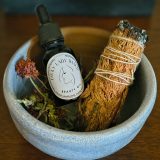 Beauty OilSeven plant oils for a soft, dewy, healthy looking face.
 Beauty BarA gentle facial bar with rosehip, prickly pear and vitamin E.
Questions people ask
Does rosehip oil contain vitamin C?
Very little. Rose hip fruit is rich in vitamin C, but vitamin C dissolves in water, not oil, so pressed rosehip seed oil contains only small amounts. Its main nutrients are fatty acids, carotenoids, and natural vitamin E.
Can rosehip oil fade scars?
A few small studies have reported improvements in the appearance of scars with regular use, but the research is limited. Think of rosehip oil as a gentle cosmetic support, and talk with a dermatologist about scars that bother you.
Is rosehip oil a natural retinol?
Not really. Some analyses have found small and variable amounts of retinoid compounds, but rosehip oil does not work like retinol or prescription tretinoin and should not be used as a replacement for them.
Should rosehip oil be kept in the fridge?
It is not required, but refrigeration helps. Rosehip oil oxidizes faster than most oils, so keeping it cool and dark slows that process. Let it warm briefly before using.
Can I use rosehip oil every day?
Most people can use a few drops daily, usually at night. Start with every other day if your skin is sensitive, and stop if you notice irritation or breakouts.
Sources and further reading
- Valerón-Almazán P, Gómez-Duaso AJ, Santana-Rodríguez N, et al. Evolution of Post-Surgical Scars Treated with Pure Rosehip Seed Oil. Journal of Cosmetics, Dermatological Sciences and Applications, 2015
- Lin TK, Zhong L, Santiago JL. Anti-Inflammatory and Skin Barrier Repair Effects of Topical Application of Some Plant Oils. International Journal of Molecular Sciences, 2018
- US Food and Drug Administration (FDA), Skin Facts! What You Need to Know about Skin Lighteners
- European Commission, Regulation (EC) No 1223/2009 on cosmetic products (Annex II and III entries for hydroquinone)
- American Academy of Dermatology (AAD), Melasma: Diagnosis and Treatment
This guide is for general education and is not medical advice. If you have a skin condition, allergy, or are pregnant or nursing, talk with your doctor or a board certified dermatologist about the products that are right for you.