Prickly Pear Seed Oil: The Desert's Luxury Facial Oil
Pressed from the tiny seeds of cactus fruit, prickly pear seed oil is light, silky, and naturally rich in vitamin E. Here is what it does and how to buy it wisely.

Key takeaways
- Prickly pear seed oil is cold pressed from the seeds of the Opuntia ficus-indica cactus fruit.
- It is light and fast absorbing, high in linoleic acid, and naturally contains vitamin E (tocopherols) and plant sterols.
- The seeds hold very little oil, which is why the pure oil is expensive and sometimes diluted.
- Its natural tocopherols are part of why products built on plant oils can lean on vitamin E rather than synthetic antioxidants like BHT and BHA.
- Benefits are mainly moisturizing and softening; bold anti aging claims are not well supported.
In the dry hills of North Africa, the Mediterranean, and Mexico, the prickly pear cactus produces a fruit that has fed people for centuries. Hidden inside each fruit are dozens of small, hard seeds, and from those seeds comes one of the most prized oils in natural skin care. Prickly pear seed oil has a reputation for luxury, a price tag to match, and a list of claims that range from accurate to wishful. Here is what is known about it.
What is prickly pear seed oil?
Prickly pear seed oil is pressed from the seeds of Opuntia ficus-indica, a cactus native to Mexico that now grows across many dry regions, including Morocco, Tunisia, southern Italy, and the American Southwest. The plant is also the source of edible cactus pads (nopales) and sweet fruits called tunas, so the oil is often a byproduct of fruit harvesting.
You will see it sold under several names: prickly pear seed oil, barbary fig seed oil, cactus seed oil, or Opuntia seed oil. On an INCI ingredient list, look for Opuntia Ficus-Indica Seed Oil. That last detail matters: "prickly pear extract" or "cactus extract" are different ingredients, usually made from the fruit or pads, not the seed oil.
Why it is so expensive
Prickly pear seeds are small and contain only a modest percentage of oil, so a very large amount of fruit is needed to produce a small bottle. Figures in the trade vary, but it is commonly said to take hundreds of kilograms of fruit, or more, to press a single liter. The seeds must be separated, cleaned, dried, and pressed, often by hand or in small facilities. All of that adds up to one of the costliest carrier oils on the market.
What is in it
- Linoleic acid. The majority of prickly pear seed oil is linoleic acid, an omega 6 fatty acid that is a natural part of the skin's outer barrier lipids. Oils high in linoleic acid tend to feel light and absorb quickly.
- Oleic and palmitic acids. Smaller amounts of these give the oil a bit more body.
- Tocopherols (vitamin E). Research analyzing the oil has found it notably rich in tocopherols, with gamma tocopherol often reported as a major form. These natural antioxidants help protect the oil itself from going rancid.
- Phytosterols. Plant sterols such as beta sitosterol are present and may help support the skin's comfort and barrier, though research in this area is still developing.
You may read that prickly pear seed oil has "the highest vitamin E of any oil" or "more vitamin E than argan." Comparisons like that depend on the specific batch and lab method, so treat them as marketing rather than settled fact. It is fair to say the oil is a good natural source of tocopherols.
What it does for skin
The well supported benefits are practical:
- Softens and moisturizes dry skin without a heavy or greasy feel.
- Absorbs quickly, making it pleasant under makeup or sun protection.
- Suits combination and normal skin that finds heavier oils too rich.
- Helps the skin feel smooth around the eyes and on the neck, where many people prefer a lighter oil.
Prickly pear seed oil is often promoted for wrinkles, dark circles, and firming. There is not good clinical evidence for those effects. Keeping skin moisturized does make fine lines less noticeable, and that is real, but it is not the same as reversing aging. Calm expectations are a kindness to your wallet.
A gentler alternative to synthetic antioxidant preservatives
Oils go rancid when oxygen attacks their fatty acids. To slow that process, many conventional products add synthetic antioxidants, most commonly BHT (butylated hydroxytoluene) and BHA (butylated hydroxyanisole).
These are not the same. BHA is classified by the International Agency for Research on Cancer as possibly carcinogenic to humans, based mainly on animal studies, and it appears on California's Proposition 65 list. BHT has a less concerning profile and is permitted in cosmetics, though the European Union has set concentration limits for it. Expert panels such as the Cosmetic Ingredient Review have considered BHT safe at the low levels used in cosmetics. You can read the full balance of evidence in our article on BHA and BHT.
Plant oils that are naturally rich in tocopherols, like prickly pear seed oil, help show that there is another way. Formulators who work with natural oils commonly protect them with added tocopherol (natural vitamin E) or rosemary extract instead of BHT or BHA, and they choose oils with good natural stability. That approach does not make a product last forever. It means buying fresh, storing well, and accepting a realistic shelf life, a tradeoff we talk about in natural products and shelf life.
How to use prickly pear seed oil
- Use a little. Two or three drops cover the whole face and neck.
- Apply to damp skin after cleansing, pressing gently rather than rubbing.
- Layer it. It works well alone or blended with other oils such as rosehip seed oil and jojoba oil.
- Morning or night. Because it absorbs quickly, it fits easily under a mineral sunscreen in the morning.
Prickly pear seed oil is part of our Beauty Oil and our Beauty Bar for the face, where it joins rosehip seed oil and vitamin E. Using it in a blend makes this precious oil go further while balancing its texture.
Who should be careful
- Allergies. Reactions are uncommon, but the tiny hair like spines on prickly pear fruit (glochids) are a known skin irritant for people who handle the fruit. Pressed oil should not contain them, but if you have reacted to cactus plants or fruit before, patch test first.
- Acne prone skin. Linoleic rich oils are often well tolerated, but any oil can cause breakouts in some people. Start slowly.
- Skin conditions. If you are managing rosacea, eczema, or acne under a doctor's care, ask your dermatologist before adding oils. Our sensitive skin guide has more general tips.
Quality tips: spotting genuine prickly pear seed oil
- Check the INCI name. It should say Opuntia Ficus-Indica Seed Oil. Extracts are not the same thing.
- Be wary of very low prices. Given how much fruit it takes to make, a bargain priced bottle may be diluted with cheaper oils.
- Expect a pale yellow to greenish tint and a light, slightly grassy or herbal scent.
- Choose cold pressed oil in dark glass, and store it away from heat and light.
- Read the whole label. Our guide to reading ingredient labels explains how to see where a featured ingredient really falls on the list.
Precious, so used with care
Prickly pear seed oil is a small luxury from a hardy desert plant. It does not need exaggeration, because what it really offers, a light, silky, vitamin E rich oil that leaves skin soft, is already worthwhile. At Lucky Lady Ranch, we pair it with other gentle oils and natural vitamin E, and we leave out synthetic antioxidant preservatives. Fresh, small batches and honest storage advice do the rest.
From the ranch
Made in small batches, without the ingredients discussed above.
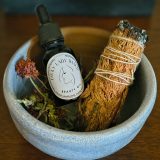 Beauty OilSeven plant oils for a soft, dewy, healthy looking face.
 Beauty BarA gentle facial bar with rosehip, prickly pear and vitamin E.
Questions people ask
What is prickly pear seed oil good for?
It is a light, fast absorbing facial oil that softens and moisturizes skin. It is rich in linoleic acid and natural vitamin E, which makes it a pleasant choice for normal, dry, and combination skin.
Why is prickly pear seed oil so expensive?
The seeds are small and contain little oil, so a very large amount of fruit is needed to produce a small amount of oil. Separating, drying, and pressing the seeds is also labor intensive.
Is prickly pear seed oil better than argan oil?
They are different rather than better or worse. Prickly pear seed oil is lighter and higher in linoleic acid, while argan oil has more oleic acid and a slightly richer feel. Many people use argan on hair and prickly pear on the face.
Does prickly pear seed oil reduce wrinkles?
There is no strong clinical evidence that it reduces wrinkles. Like any good moisturizer, it can make fine lines from dryness less noticeable, but it does not reverse aging.
How can I tell if prickly pear seed oil is pure?
Look for the INCI name Opuntia Ficus-Indica Seed Oil as the only ingredient, buy from sellers who can tell you where it comes from, and be cautious of prices that seem too low for such a costly oil.
Sources and further reading
- Ramadan MF, Mörsel JT. Oil cactus pear (Opuntia ficus-indica L.). Food Chemistry, 2003
- International Agency for Research on Cancer (IARC), Monographs Volume 40: Butylated Hydroxyanisole (BHA)
- California Office of Environmental Health Hazard Assessment (OEHHA), Proposition 65 List: Butylated hydroxyanisole
- Cosmetic Ingredient Review (CIR), Final Report on the Safety Assessment of Butylated Hydroxytoluene
- European Commission, CosIng Cosmetic Ingredient Database: Opuntia Ficus-Indica Seed Oil
This guide is for general education and is not medical advice. If you have a skin condition, allergy, or are pregnant or nursing, talk with your doctor or a board certified dermatologist about the products that are right for you.