Essential Oils: Benefits, Dilution and Safety
Essential oils bring scent and character to natural body care, but they are concentrated plant chemicals. Here is how to dilute them, which ones need extra care, and how they compare to synthetic fragrance.

Key takeaways
- Essential oils are highly concentrated aromatic extracts, typically steam distilled or cold pressed from plants.
- Always dilute them in a carrier oil; around 1 percent for the face and 1 to 3 percent for the body is a common starting point for adults.
- Some citrus oils can cause sunburn like reactions when used on skin before sun exposure.
- Essential oils can cause allergies too, so natural does not mean allergen free; they are, however, fully identifiable, unlike undisclosed parfum blends.
- Use extra caution with babies, young children, pregnancy, and pets, and never swallow essential oils.
Open a bottle of real lavender or peppermint oil and you will understand why people have treasured essential oils for centuries. The scent is vivid and alive in a way a synthetic perfume rarely is. But that intensity is a clue: essential oils are powerful, concentrated plant chemicals, and they deserve the same respect you would give any potent ingredient. Here is a plain guide to what essential oils are, what they can and cannot do, and how to use them safely.
What are essential oils?
Essential oils are the volatile aromatic compounds of plants, captured from flowers, leaves, bark, roots, resins, or peels. Most are made by steam distillation, where steam carries the aromatic molecules out of the plant and they separate from the water as they cool. Citrus oils are usually cold pressed from the peel.
It takes a lot of plant material to make a little oil. That concentration is the key fact to remember. A single drop of essential oil represents the aromatic compounds of a large amount of plant, which is why dilution matters so much.
On ingredient labels, essential oils are listed by botanical name, such as Lavandula Angustifolia (Lavender) Oil or Melaleuca Alternifolia (Tea Tree) Leaf Oil. In Europe, and increasingly elsewhere, you may also see individual aromatic compounds listed, such as linalool, limonene, citral, or geraniol. Those are naturally occurring components of the oils that are known potential allergens, and EU rules require them to be named above certain levels.
What essential oils do in body care
- Scent. This is their main job in most products. Essential oils give soaps, balms, and deodorants a natural aroma.
- Sensory effects. Peppermint feels cooling; eucalyptus feels fresh and open. These sensations are real, even if they are not medical effects.
- Mood and relaxation. Many people find certain scents calming or uplifting. Research on aromatherapy is mixed, and the National Center for Complementary and Integrative Health notes that evidence for most health uses is limited. Enjoying a scent you love is reason enough.
- Antimicrobial activity in the lab. Many essential oils, such as tea tree, show antimicrobial activity in laboratory studies. That does not make them treatments, and products should not be used in place of medical care for infections.
How to dilute essential oils
Essential oils should almost never go directly on skin. Mix them into a carrier, such as jojoba oil, sweet almond oil, or an unscented balm. Here is a common starting point for healthy adults, based on widely used aromatherapy safety guidance:
| Use | Dilution | Approximate drops per 1 ounce (30 mL) of carrier |
|---|---|---|
| Face, sensitive skin, older adults | 0.5 to 1 percent | 3 to 6 drops |
| Daily body oil or balm | 1 to 2 percent | 6 to 12 drops |
| Short term, small area use | up to 3 percent | about 18 drops |
Drop sizes vary between bottles, so treat these as estimates. Some oils have much lower recommended maximums, and some, such as cinnamon bark or clove bud, are strong skin irritants that call for extra caution or avoidance on skin.
Who should be careful
Sun sensitivity (phototoxicity)
Certain cold pressed citrus oils, notably bergamot, lime, lemon, grapefruit, and bitter orange, contain compounds called furocoumarins. When applied to skin that is then exposed to sunlight, they can cause a phototoxic reaction: redness, blistering, and dark patches that can last for months. Steam distilled versions and "bergapten free" or "FCF" bergamot have much less of these compounds. If you use a leave on product with cold pressed citrus oils, a common guideline is to keep that skin out of strong sun for about 12 hours. Rinse off products like soap carry far less risk.
Allergies and sensitization
Essential oils can cause allergic contact dermatitis. Some people become sensitized over time, especially with repeated use of undiluted oil. Oils that have oxidized with age, such as old tea tree or lavender oil, appear to be more likely to cause reactions. Patch test any new product, store oils tightly capped and cool, and replace them when they smell off. Our guide to sensitive skin irritants covers this more broadly.
Babies and children
Children's skin is thinner and their bodies are smaller, so they need lower dilutions or none at all. Many safety guides advise avoiding essential oils on young babies entirely and using very low dilutions for older children. Oils high in menthol or 1,8 cineole, such as peppermint and some eucalyptus, should not be used on or near the faces of infants and young children because of reports of breathing problems. See non toxic skin care for babies and kids.
Pregnancy and breastfeeding
Some essential oils are best avoided during pregnancy, and evidence is limited for many others. Use light dilutions, avoid ingesting oils, and ask your doctor or midwife about specific oils. Our article on clean beauty during pregnancy has more.
Pets
Cats are especially sensitive to many essential oils because their livers process certain compounds poorly. Dogs and birds can also be affected. Be careful with diffusers in small rooms, keep bottles away from pets, and talk with your veterinarian.
Never swallow essential oils
Swallowing essential oils can cause serious poisoning, especially in children. Oils such as wintergreen (methyl salicylate), camphor, and eucalyptus are particularly dangerous. Keep bottles closed with child resistant caps and out of reach. If someone swallows essential oil, call Poison Control at 1-800-222-1222 or emergency services.
Essential oils vs synthetic fragrance
Most conventional products are scented with synthetic fragrance, listed simply as "fragrance" or "parfum." Under US law, the individual chemicals in a fragrance blend can be kept confidential as trade secrets, so one word on a label can stand for many undisclosed ingredients. Those blends can include phthalates used to help scent last, and synthetic musks that persist in the environment and build up in body fat. Fragrance is among the most common causes of allergic reactions to cosmetics. You can read more in synthetic fragrance: what parfum can hide on a label and the fragrance loophole.
It would be misleading to say essential oils are always safer. Some of the same allergens, such as linalool and limonene, occur in both. The real differences are transparency and simplicity. An essential oil is named on the label by its plant, it is used at low levels, and you can look up exactly what it is. If you know you react to a particular oil, you can avoid it. With an undisclosed parfum blend, you cannot.
Quality tips
- Look for the botanical name and plant part on the bottle, not just "lavender."
- Be wary of "fragrance oils." These are usually synthetic, even when they smell like a plant.
- Choose dark glass and keep caps tightly closed to slow oxidation.
- Ignore claims that an oil is safe to use undiluted or to drink because it is "therapeutic grade." That phrase is a marketing term, not a regulated standard.
How we use essential oils
At Lucky Lady Ranch, essential oils are how we scent our products instead of synthetic fragrance. We use them at modest levels, diluted in oils, butters, and soap. Our Man Bar, for example, gets its woodsy, fresh character from tea tree, cedarwood, and bergamot mint. Our Natural Insect Protection blends citronella, peppermint, lemongrass, lavender, and sandalwood for outdoor time. Where mosquito or tick borne illness is a concern, the CDC recommends EPA registered repellents, and that is good advice to follow.
We believe scent should be something you can read on a label and understand. Respecting essential oils, using them gently, and being honest about their limits is part of leaving the harsh, hidden stuff out.
From the ranch
Made in small batches, without the ingredients discussed above.
 Man BarTea tree, cedarwood and bergamot mint in a clean, rugged bar.
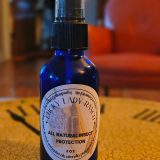 Natural Insect ProtectionCitronella, lemongrass, peppermint, lavender and sandalwood for the outdoors.
Questions people ask
How do I dilute essential oils for skin?
A common starting point for adults is about 1 percent for the face (roughly 6 drops per ounce of carrier oil) and 1 to 2 percent for the body (6 to 12 drops per ounce). Use less for sensitive skin, older adults, and children.
Which essential oils cause sun sensitivity?
Cold pressed citrus oils such as bergamot, lime, lemon, grapefruit, and bitter orange can cause phototoxic reactions if skin is exposed to sun after a leave on application. Bergapten free bergamot and steam distilled citrus oils carry much less risk.
Are essential oils safer than synthetic fragrance?
Not automatically. Essential oils can cause allergies too. The main advantage is transparency: each oil is named on the label, so you know what you are using and can avoid oils that bother you.
Can I use essential oils around my cat?
Cats are especially sensitive to many essential oils. Avoid applying oils to pets, be cautious with diffusers in small or closed rooms, and ask your veterinarian before using them around animals.
Is it safe to ingest essential oils?
No, not without guidance from a qualified medical professional. Swallowing essential oils can cause serious poisoning, particularly in children. If it happens, call Poison Control at 1-800-222-1222.
Sources and further reading
- Tisserand R, Young R. Essential Oil Safety: A Guide for Health Care Professionals, 2nd edition. Churchill Livingstone, 2014
- National Center for Complementary and Integrative Health (NCCIH), Aromatherapy
- European Commission, Commission Regulation (EU) 2023/1545 on labeling of fragrance allergens in cosmetic products
- US Food and Drug Administration (FDA), Fragrances in Cosmetics
- Centers for Disease Control and Prevention (CDC), Preventing Mosquito Bites
- America's Poison Centers, Essential Oils
This guide is for general education and is not medical advice. If you have a skin condition, allergy, or are pregnant or nursing, talk with your doctor or a board certified dermatologist about the products that are right for you.