How to Build a Non Toxic Daily Routine, Step by Step
You do not need to empty your bathroom to clean up your routine. Here is a calm, step by step plan for deciding what to swap first and building a simple daily rhythm.

Key takeaways
- Start with an honest inventory of what you use every day; most people use more products than they realize.
- Swap leave-on products that cover large areas first, such as body lotion, deodorant, and sunscreen.
- Replace products as they run out instead of throwing everything away at once.
- A simple routine of cleanse, moisturize, and protect covers most daily needs.
- Change one product at a time so you can tell how your skin responds.
Deciding to clean up your personal care routine can feel overwhelming. There are lists of ingredients to avoid, apps that score products, and plenty of voices telling you everything on your shelf is a problem. It does not need to be that complicated. A non toxic routine is built the same way as any good habit: one small, sensible step at a time. This guide gives you a calm, practical order of operations.
What a Non Toxic Routine Really Means
"Non toxic" is not a regulated term, and nearly anything can be harmful at a high enough dose. In practice, a non toxic routine means reducing your exposure to ingredients that have drawn health questions, such as phthalates in undisclosed fragrance, certain parabens, formaldehyde releasing preservatives, and harsh sulfates, while keeping the products that genuinely help your skin. It also usually means using fewer products overall. For background on the terms, see what clean beauty means.
Step 1: Take an Honest Inventory
Gather every product you use on your body in a normal week: soap, shampoo, conditioner, face wash, moisturizer, body lotion, deodorant, sunscreen, lip balm, makeup, hair styling products, shaving cream, and anything else. Put them on a counter. Most people find more than they expected.
For each one, ask three questions:
- Do I use this daily, weekly, or rarely?
- Does it stay on my skin (leave-on) or rinse off?
- Does it cover a large area or a small one?
Set aside anything you no longer use. Fewer products means fewer exposures, less clutter, and less money spent.
Step 2: Prioritize What to Swap First
Not every product matters equally. Exposure depends on how much you use, how long it stays on, how often you use it, and how much skin it covers. Our article on skin absorption explains why leave-on products deserve the most attention.
| Priority | Products | Why |
|---|---|---|
| First | Body lotion, deodorant, sunscreen, face moisturizer | Leave-on, daily, often large areas |
| Second | Lip balm, hair styling products, makeup | Leave-on; lip products are partly swallowed |
| Third | Body wash, shampoo, conditioner, face wash | Rinse-off, short contact time, but daily use |
| As needed | Occasional treatments, hair dye, nail polish | Infrequent, but some have specific concerns |
If you are pregnant or buying for children, the priorities can shift. Our guide to clean beauty during pregnancy covers the ingredients doctors most often flag, and a pediatrician can help with products for little ones.
Step 3: Read Labels Before You Buy
Before you replace anything, learn the basics of a label: ingredients are listed in descending order of amount, "fragrance" can hide many components, and front-of-package words like natural have no legal definition. Our guide to reading ingredient labels covers it in a few minutes.
A short list of ingredients you can recognize is a good sign. A long list is not automatically bad, but it leaves more to research.
Step 4: Swap as Things Run Out
You do not need to throw everything away. When a product runs out, replace it with a cleaner version. Within a few months, most of your routine will have turned over naturally, and you will have spread the cost.
The exception is anything that is irritating your skin or that you have a specific concern about. Those can go now.
One at a time
Introduce new products one at a time, about a week or two apart. If your skin reacts, you will know which product caused it. Patch test anything new on your inner forearm for a few days first.
Step 5: Build a Simple Daily Rhythm
Morning
- Cleanse lightly. Many people only need water on the face in the morning, or a quick wash with a gentle bar.
- Moisturize. A few drops of facial oil on damp skin, or a light balm on dry patches.
- Protect. Sunscreen on exposed skin, especially face, neck, ears, and hands. Our mineral vs chemical sunscreen guide can help you choose.
- Deodorant. If you are moving away from antiperspirant, see our guide to switching to natural deodorant.
Evening
- Cleanse. Wash off sunscreen, sweat, and the day.
- Moisturize body while skin is still slightly damp after a shower, when oils and balms spread best.
- Treat small areas. Lip balm, cuticle oil, a balm on cracked heels.
Weekly or as needed
- A warm mineral bath soak to relax.
- A deeper hair treatment with oil before washing.
- Gentle exfoliation once in a while, not daily.
Step 6: Check In After a Season
After two or three months, take stock again. How does your skin feel? Are there products you stopped reaching for and did not miss? Routines should shift with the weather, too. Many people want a richer balm in winter, when indoor heat and cold wind dry skin, and a lighter oil in the humid months. Small adjustments keep a routine working for you instead of the other way around.
Look beyond the bathroom
Your skin also meets laundry detergent, dryer sheets, hand soap at work, and scented candles or air fresheners. You do not need to overhaul your whole house, but if you are trying to cut back on fragrance, choosing unscented laundry products is an easy win, since your clothes and sheets touch your skin around the clock.
Common Mistakes to Avoid
- Replacing everything in one weekend. It is expensive, and if your skin reacts you will not know why.
- Trusting labels over ingredients. Words like clean and natural are marketing. See our article on greenwashing.
- Assuming natural means non-irritating. Essential oils and some plant extracts can still bother sensitive skin.
- Skipping sunscreen because you are unsure about ingredients. Choose a mineral option instead of going without.
- Chasing perfection. Lowering exposure is worthwhile. Eliminating every chemical is impossible and unnecessary.
Making It Affordable
A simpler routine usually costs less. Multipurpose products help: a good bar soap can wash body and face, a plain oil can moisturize face, body, and cuticles, and a balm can handle elbows, heels, and lips. Buying fewer, better products that last tends to balance out the higher price of some natural items. When trying something new, buy the smallest size available, so a product that does not suit you is not a costly mistake.
A Ranch Routine
Our own routine on the ranch is short. A cold process Body Bar in the shower, Body Oil on damp skin afterward, our aluminum-free All Day Deodorant, and mineral sun protection before heading outdoors. Everything has an ingredient list you can read in a few seconds. That is the whole idea: a routine simple enough that it becomes second nature, with the harsh chemicals left out.
If you have a skin condition or specific health concern, a doctor or dermatologist can help you tailor your routine.
From the ranch
Made in small batches, without the ingredients discussed above.
 Body BarA true cold process soap for gentle, everyday cleansing.
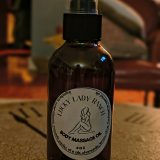 Body OilA silky blend of high quality oils for moisture and massage.
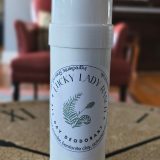 All Day DeodorantAluminum free deodorant that passed every sweaty test we gave it.
Questions people ask
What should I switch first for a non toxic routine?
Start with leave-on products that you use daily and that cover large areas, such as body lotion, deodorant, sunscreen, and face moisturizer. Rinse-off products like body wash and shampoo can come next.
Should I throw away all my old products?
No. Replacing products as they run out spreads the cost and lets you introduce new products one at a time. Discard anything that irritates your skin or that you have a specific concern about.
How many products do I need in a skincare routine?
Most people can cover their needs with a gentle cleanser, a moisturizer, sun protection, and deodorant. Extra products should solve a specific problem.
Is a non toxic routine more expensive?
Not necessarily. Some natural products cost more, but a simpler routine with multipurpose products, like a bar that washes face and body or an oil for skin and cuticles, often costs less overall.
How long does it take to switch to clean beauty?
If you swap products as they run out, most routines turn over within a few months. Introducing one new product every week or two makes it easier to spot any reactions.
Sources and further reading
- US Food and Drug Administration (FDA), Cosmetics Labeling Guide
- American Academy of Dermatology (AAD), Sunscreen FAQs
- Harley KG et al., Reducing Phthalate, Paraben, and Phenol Exposure from Personal Care Products in Adolescent Girls (HERMOSA Intervention Study), Environmental Health Perspectives, 2016
- Centers for Disease Control and Prevention (CDC), National Report on Human Exposure to Environmental Chemicals
This guide is for general education and is not medical advice. If you have a skin condition, allergy, or are pregnant or nursing, talk with your doctor or a board certified dermatologist about the products that are right for you.