Phenoxyethanol: The "Paraben Free" Preservative Swap
When parabens fell out of favor, phenoxyethanol stepped in. Regulators consider it safe at low levels, but there are real reasons some people prefer to skip it.

Key takeaways
- Phenoxyethanol is a synthetic preservative that became popular as brands removed parabens.
- The EU and other regulators allow it at up to 1 percent and consider it safe at that level for adults and children.
- It can irritate sensitive skin and eyes, and allergy is possible but uncommon.
- Swallowing products containing it can be harmful to infants, which led to an FDA warning about a nipple cream.
- Products without water, like bar soap, balms and oils, generally do not need a preservative like it at all.
Walk down a skin care aisle and "paraben free" is everywhere. It is a reassuring phrase, but it leads to a simple question: if the parabens are gone, what is keeping the product from growing mold and bacteria? Very often, the answer is phenoxyethanol. It is one of the most widely used preservatives in personal care today, and understanding it helps explain why "free of" claims only tell half the story.
What Is Phenoxyethanol?
Phenoxyethanol is a glycol ether, a clear, oily liquid with a faint rose like scent. It works against a broad range of bacteria and, to a lesser extent, yeasts and molds, so it is usually paired with a second preservative such as ethylhexylglycerin, sodium benzoate or potassium sorbate. Although it is sometimes described as a "nature identical" substance, the phenoxyethanol used in cosmetics is made synthetically.
Why Preservatives Exist at All
Any product that contains water, or that will come into contact with water during use, can grow microbes. Lotions, creams, liquid soaps, shampoos, wipes and many serums need a preservative system, and that is a genuine safety issue. Contaminated cosmetics have caused eye and skin infections, and the FDA has recalled products for microbial contamination. So the goal is not "no preservation." It is choosing formulas where preservation is gentle, or where it is not needed. Our article on natural products and shelf life covers how preservative free products stay fresh.
Where Phenoxyethanol Shows Up
- Lotions, creams and facial moisturizers
- Serums, toners and micellar waters
- Sunscreens and foundations
- Baby wipes and baby lotions
- Shampoos, conditioners and body washes
- Many products labeled "paraben free" or "clean"
On labels it appears as "Phenoxyethanol," sometimes abbreviated in technical documents as 2-phenoxyethanol. It is usually near the end of the ingredient list, which reflects its low concentration.
What Research and Regulators Say
Allowed at Low Levels
The European Union permits phenoxyethanol in cosmetics at up to 1 percent of the finished product. In 2016, the European Commission's Scientific Committee on Consumer Safety (SCCS) reviewed it and concluded it is safe at that level for all consumers, including young children. Japan also allows up to 1 percent. In the US, there is no specific limit, but the Cosmetic Ingredient Review panel has concluded it is safe as used at concentrations up to 1 percent. This is worth stating plainly: by the standards of major regulators, phenoxyethanol at typical levels is not considered dangerous.
Skin and Eye Irritation
Phenoxyethanol can sting or irritate, particularly around the eyes and on damaged skin. True allergic reactions have been reported, including hives and contact dermatitis, but they are considered uncommon relative to how widely it is used. Compared with methylisothiazolinone or formaldehyde releasers, it is a much less frequent allergen.
Concerns for Infants
The clearest warning involves ingestion by babies. In 2008, the US Food and Drug Administration (FDA) warned consumers not to use a nipple cream containing phenoxyethanol and chlorphenesin after reports that it could cause vomiting and diarrhea in nursing infants and could depress the central nervous system. In 2019, France's medicines and health products agency (ANSM) moved to require a label warning against using leave on products with phenoxyethanol on the diaper area of children under three, citing uncertainty about exposure on irritated skin. Other regulators did not take the same step, but it reflects a reasonable caution where very young skin is concerned.
Laboratory Studies
Animal studies at high oral doses have shown effects on the liver, kidneys and blood. These doses are far above what people encounter from cosmetics, which is why regulators set the 1 percent limit with a margin of safety. As with many ingredients, the open questions involve combined exposure from many products used daily rather than any single product.
How Preservatives Are Tested
Brands do not simply guess how much preservative a formula needs. Responsible manufacturers run a preservative efficacy test, often called a challenge test, in which a product is deliberately inoculated with bacteria, yeast and mold and then checked over several weeks to see whether those organisms die off. Phenoxyethanol on its own does not always pass, which is why it is commonly paired with ethylhexylglycerin, a skin conditioning ingredient that also boosts preservative activity. Ethylhexylglycerin is generally well tolerated, though it too has been reported as an occasional allergen. If you react to a phenoxyethanol product, it is worth considering both ingredients, and a patch test can tell them apart.
Who Should Be Most Careful
- Nursing parents, who should avoid any nipple or breast product containing it unless a doctor has approved it.
- Parents of babies and toddlers, especially for diaper area creams and wipes. See our guide to non toxic skin care for kids.
- People with eczema or sensitive skin who notice stinging from products that contain it. Our article on sensitive skin irritants has a broader list.
- Anyone with a confirmed allergy, identified through patch testing by a dermatologist.
How to Spot and Avoid It
- Turn "paraben free" products over and read what replaced the parabens. Our guide on parabens in cosmetics explains why so many brands made that swap.
- Look for phenoxyethanol near the end of the ingredient list, often paired with ethylhexylglycerin.
- Choose anhydrous products (products made without water) such as balms, oils and solid bars, which do not need broad spectrum preservatives.
- Be thoughtful with "preservative free" water based products. Without a preservative, they need refrigeration, short use windows or special packaging. A lotion that claims to be preservative free and lasts for years on a warm shelf deserves a closer look.
Why Our Products Do Not Need It
The simplest way to avoid a synthetic preservative is to make products that do not invite microbes in the first place. That is a big part of why we work the way we do at Lucky Lady Ranch. Our cold process Body Bar is true soap, and the soap making process plus the bar's low water content make it a poor home for bacteria. Our Body Balm and Beauty Oil are anhydrous, made only of butters, waxes and oils, with vitamin E to help slow the natural aging of the oils. Our article on cold process soap vs commercial beauty bars explains the difference in more detail.
Cold process soap does have a shelf life of its own. Over many months, the oils in a bar can slowly oxidize, which may show up as a faint change in scent or small orange spots. Keeping bars dry on a draining dish between uses helps them last.
Anhydrous products still deserve good habits: keep water out of jars, use clean, dry hands, and store them away from heat and direct sun. Phenoxyethanol is not the villain it is sometimes made out to be. We would simply rather design products where it never needs an invitation.
From the ranch
Made in small batches, without the ingredients discussed above.
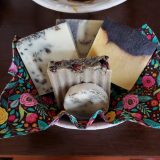 Body BarA true cold process soap for gentle, everyday cleansing.
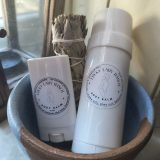 Body BalmUnrefined shea and organic beeswax for hard working skin.
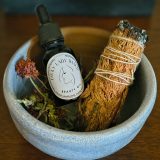 Beauty OilSeven plant oils for a soft, dewy, healthy looking face.
Questions people ask
Is phenoxyethanol safe in skin care?
Major regulators, including the EU's scientific committee, consider phenoxyethanol safe at up to 1 percent in cosmetics. It can irritate sensitive skin and eyes, and some people prefer to avoid it, especially in baby products.
Is phenoxyethanol better than parabens?
It is a different preservative with its own profile. Phenoxyethanol has not been linked to hormone activity the way some parabens have been studied, but it can irritate skin. Neither is needed in water free products like balms, oils and bar soaps.
Is phenoxyethanol safe for babies?
Regulators consider it safe at low levels in most baby products. However, the FDA warned against a nipple cream containing it due to risks for nursing infants, and France requires a warning against leave on use in the diaper area for children under three.
What are the side effects of phenoxyethanol?
The most common are stinging, redness and eye irritation. Allergic reactions such as hives or contact dermatitis are possible but uncommon. If you notice a reaction, stop using the product and talk with a dermatologist.
Sources and further reading
- European Commission Scientific Committee on Consumer Safety (SCCS), Opinion on Phenoxyethanol (2016)
- US Food and Drug Administration (FDA), FDA Warns Consumers Against Using Mommy's Bliss Nipple Cream (2008)
- Agence nationale de sécurité du médicament et des produits de santé (ANSM), Phenoxyethanol in Cosmetic Products for Children Under Three
- Cosmetic Ingredient Review (CIR), Safety Assessment of Phenoxyethanol
- European Commission, Cosmetics Regulation (EC) No 1223/2009, Annex V: List of Preservatives
This guide is for general education and is not medical advice. If you have a skin condition, allergy, or are pregnant or nursing, talk with your doctor or a board certified dermatologist about the products that are right for you.