Non Toxic Skin Care for Babies and Kids
Babies and kids need fewer products than marketing suggests. Here is why their skin is different, which ingredients pediatric experts flag, and how to keep their routine simple.

Key takeaways
- Babies have thinner skin and more skin surface relative to body weight, so a given amount of product means a larger dose for them.
- The American Academy of Pediatrics notes that bathing about three times a week is usually enough in the first year, using a small amount of mild, unscented cleanser.
- Keep babies under 6 months out of direct sun; ask your pediatrician before using sunscreen on young infants.
- Skip baby powder, heavily fragranced products, and bubble baths for little ones, and keep essential oils out of reach.
- Fewer, simpler products are usually best for kids' skin.
The baby aisle is full of lotions, washes, powders, wipes, and creams, each offering softness. In reality, most babies and young kids need very little. Their skin is still developing, it absorbs more in proportion to their size, and it is easily irritated by fragrance and harsh cleansers. This guide covers why children's skin needs a gentler approach, which ingredients to skip, and how to build a simple routine. For any rash, eczema, or skin concern, your pediatrician is the best first call.
Why Kids' Skin Is Different
A thinner, still-maturing barrier
A baby's outer skin layer is thinner than an adult's, and the skin barrier continues to mature through the first years of life. Infant skin can lose water more quickly and may react more readily to irritants.
More surface, less body
Babies and toddlers have much more skin surface area relative to their body weight than adults. If a product's ingredients are absorbed, the same smear of lotion represents a proportionally larger dose for a small child. Our article on skin absorption explains how this works.
Developing systems
Infancy and childhood are considered sensitive windows for hormone-active chemicals, because the body is growing and developing quickly. That is one reason many parents choose to limit exposure to ingredients studied as endocrine disruptors.
Ingredients and Products to Skip
Fragrance
Fragrance is one of the most common causes of skin reactions, and it is listed as a single word that can hide many chemicals, sometimes including phthalates. Choosing fragrance-free products for babies is widely recommended by pediatric and dermatology groups. Note that "unscented" can still contain masking fragrance, so check the label.
Baby powder
The American Academy of Pediatrics cautions against baby powder because babies can inhale the fine particles, which can irritate the lungs. Talc-based powders have the added concern of possible asbestos contamination. Our guide to talc covers what is known. A dry diaper area and a barrier cream are usually enough.
Harsh cleansers and bubble bath
Strong detergents such as sodium lauryl sulfate can strip natural oils and dry delicate skin. Bubble baths can irritate skin and, in some children, the urinary opening. Plain water with a little mild cleanser is enough.
Some preservatives
Leave-on products and wipes are where preservatives matter most. Methylisothiazolinone, once common in baby wipes, became a well known cause of allergic rashes. In the EU, propylparaben and butylparaben are not allowed in leave-on products designed for the diaper area of children under 3. Formaldehyde releasers are another group many parents choose to avoid.
Kids' makeup and play cosmetics
Play makeup can be fun, but it is worth buying from reputable sources. The FDA has warned consumers about certain children's cosmetics that tested positive for asbestos. Look for simple formulas, check for recalls, and use them only occasionally.
Wipes, Diaper Rash, and Cradle Cap
Wipes
Baby wipes are leave-on products in practice, since they are rarely rinsed off. Choose fragrance-free wipes with a short ingredient list, or at home simply use a soft cloth and warm water. If your baby develops a rash where wipes are used, try switching to water alone for a while.
Diaper rash
Most diaper rash comes from moisture and friction. Frequent changes, gentle cleaning, diaper-free time, and a simple barrier cream are the usual first steps. Zinc oxide pastes and plain petrolatum ointments are common pediatrician recommendations because they form a protective layer. A rash that blisters, spreads, or lasts more than a few days deserves a call to the doctor.
Cradle cap
The greasy, yellowish scales of cradle cap are common and usually harmless, and they often clear on their own. Gentle washing and a soft baby brush can help. Ask your pediatrician before trying oils or medicated shampoos.
A Word on Essential Oils
Essential oils are natural, but they are powerful. Several are known skin sensitizers, and some can be dangerous if swallowed. Poison control centers regularly handle cases of children ingesting essential oils, and oils like wintergreen, camphor, and eucalyptus are particularly concerning in small amounts. Peppermint and eucalyptus are commonly discouraged on or near the faces of infants and young children.
For babies, the simplest approach is unscented products. For older children, use essential oil products sparingly, patch test first, and store all concentrated oils out of reach. Ask your pediatrician if you are unsure.
Sun Protection for Little Ones
Sunburn in childhood is a risk factor for skin cancer later in life, so sun habits matter early.
- Under 6 months: The AAP recommends keeping babies out of direct sunlight, using shade, hats, and lightweight clothing that covers arms and legs. The FDA recommends asking a doctor before using sunscreen on babies this young. When shade and clothing are not possible, the AAP says a small amount of sunscreen on small areas such as the face may be used.
- Over 6 months: Use a broad-spectrum sunscreen along with hats, clothing, and shade, and reapply after swimming or sweating.
- Mineral filters: Zinc oxide and titanium dioxide are often recommended for children because they tend to be less irritating. Our guide to mineral vs chemical sunscreen explains why.
Insect Bites
Bug protection for kids needs care. The AAP considers insect repellents containing DEET acceptable for children older than 2 months when used as directed, and notes that oil of lemon eucalyptus should not be used on children under 3. If you prefer botanical options, talk with your pediatrician, especially where mosquito or tick-borne illness is a concern.
A Simple, Gentle Routine
- Bathe less than you think. The AAP notes that bathing about three times a week is usually enough in the first year. Use lukewarm water and a small amount of mild, unscented cleanser.
- Moisturize after bathing if skin is dry, while it is still slightly damp. Plain, fragrance-free ointments or oils work well.
- Keep the lineup short. One mild cleanser, one plain moisturizer, a barrier cream, and sun protection cover most needs.
- Dress for the sun before reaching for sunscreen.
- Patch test anything new on a small area for a couple of days.
Children with eczema benefit from extra care. Our guide to sensitive skin and eczema irritants covers common triggers, and a pediatrician or pediatric dermatologist can build a treatment plan.
Growing Up With Simple Ingredients
At Lucky Lady Ranch we make our products in small batches with plant oils, butters, beeswax, and clays, and no synthetic fragrance, parabens, or phthalates. Many of our products contain essential oils, so for babies we suggest checking with your pediatrician first. For older kids, a gentle cold process Body Bar for bath time and our Lip Balm for chapped winter lips are easy places to start. Children rarely need much. Clean water, a little mild soap, shade, and a simple moisturizer go a long way.
From the ranch
Made in small batches, without the ingredients discussed above.
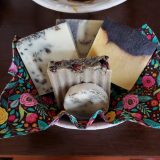 Body BarA true cold process soap for gentle, everyday cleansing.
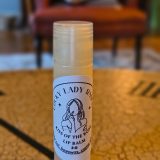 Lip BalmLip Love: our beauty oil blend with shea, cocoa butter and beeswax.
Questions people ask
What ingredients should I avoid in baby products?
Many parents and pediatric experts suggest avoiding added fragrance, talc-based powders, harsh sulfates, and certain preservatives such as methylisothiazolinone and formaldehyde releasers. Simple, fragrance-free products are usually best for babies.
How often should I bathe my baby?
The American Academy of Pediatrics notes that bathing about three times a week is usually enough during the first year. More frequent bathing can dry out a baby's skin.
Can I put sunscreen on a baby under 6 months?
Babies under 6 months should be kept out of direct sun. The FDA recommends asking a doctor before using sunscreen on infants this young, and the AAP says a small amount on small areas may be used when shade is not possible.
Are essential oils safe for babies?
Essential oils are concentrated and can irritate skin or be dangerous if swallowed. Unscented products are the simplest choice for babies, and oils like peppermint and eucalyptus are commonly discouraged near young children's faces.
Is baby powder safe?
The American Academy of Pediatrics cautions against baby powder because babies can inhale the particles. Talc-based powders also carry concern about asbestos contamination.
Sources and further reading
- American Academy of Pediatrics (AAP), HealthyChildren.org, Bathing Your Baby
- American Academy of Pediatrics (AAP), HealthyChildren.org, Sun Safety: Information for Parents About Sunburn and Sunscreen
- American Academy of Pediatrics (AAP), HealthyChildren.org, Choosing an Insect Repellent for Your Child
- US Food and Drug Administration (FDA), Should You Put Sunscreen on Infants? Not Usually
- US Food and Drug Administration (FDA), 2019 safety alert on asbestos in certain Claire's and City Color cosmetics
This guide is for general education and is not medical advice. If you have a skin condition, allergy, or are pregnant or nursing, talk with your doctor or a board certified dermatologist about the products that are right for you.