Non Toxic Hair Care: Shampoo Bars, Oils and What to Avoid
Hair care is full of detergents, fragrance, and styling chemicals your scalp absorbs every day. Here is what to skip, how shampoo bars really work, and how to use oils well.

Key takeaways
- Harsh sulfates, undisclosed fragrance, formaldehyde releasing preservatives, and cyclic silicones are common hair care ingredients many people choose to avoid.
- Formaldehyde-releasing smoothing treatments and chemical relaxers carry the clearest health concerns among hair products.
- Aerosol dry shampoos have been recalled for benzene contamination traced to propellants.
- Shampoo bars can be soap-based or detergent-based; soap-based bars may need an adjustment period, especially in hard water.
- Plant oils used before washing can help reduce damage, but no oil has been shown to grow hair.
Your scalp is skin, and it gets a lot of attention: shampoo several times a week, conditioner, styling products, heat, and sometimes dye or chemical treatments. Many conventional hair products rely on strong detergents, heavy fragrance, and preservatives to deliver lather, scent, and long shelf life. A non toxic hair routine does not have to be complicated. It starts with knowing which ingredients are worth skipping and which simple swaps actually work.
Ingredients to Watch in Hair Products
Harsh sulfates
Sodium lauryl sulfate and sodium laureth sulfate create the rich foam many people expect from shampoo. They clean effectively, but they can strip natural oils, leaving the scalp tight and hair dry or frizzy, and they can fade color-treated hair. Sodium laureth sulfate can also carry trace contamination from manufacturing; see our guide to PEG compounds and 1,4-dioxane.
Fragrance
Shampoos and conditioners are often heavily scented, and the scent is designed to linger on hair for hours. "Fragrance" can stand for many undisclosed ingredients. If your hairline, neck, or back gets itchy, rinse-off hair products running down your skin are a common culprit.
Formaldehyde releasing preservatives
Preservatives such as DMDM hydantoin, quaternium-15, and diazolidinyl urea slowly release small amounts of formaldehyde to keep products free of microbes. They are well known skin allergens. Our guide to formaldehyde releasers explains how to spot them.
Cyclic silicones
Silicones give hair slip and shine. Cyclic silicones such as cyclopentasiloxane (D5) and cyclotetrasiloxane (D4) evaporate quickly and have drawn environmental concern because they persist and can accumulate in wildlife. The EU has restricted D4 and D5 in rinse-off cosmetics since 2020 and has adopted broader restrictions that phase in over the next few years. Read more about cyclic silicones. Non-cyclic silicones like dimethicone are generally considered safe for people, though some find they build up on hair.
Products With the Clearest Concerns
Smoothing and keratin treatments
Some salon smoothing treatments contain formaldehyde or chemicals that release formaldehyde gas when heated with a flat iron. Formaldehyde is classified as a human carcinogen by the International Agency for Research on Cancer, and the fumes can irritate the eyes, nose, and lungs of both clients and stylists. Some of these products have been marketed as formaldehyde free while still releasing it. The FDA has said it intends to propose a ban on formaldehyde and formaldehyde-releasing chemicals in hair smoothing products; check the FDA for the current status.
Chemical relaxers
In 2022, researchers from the National Institutes of Health's Sister Study reported that women who frequently used hair straightening products had a higher risk of uterine cancer than women who never used them. The study shows an association, not proof of cause, but it has prompted further research. See our guide to hair relaxers and straighteners.
Aerosol dry shampoo
In 2021 and 2022, several major brands recalled aerosol dry shampoos after testing found benzene contamination, linked to the propellants. Powder dry shampoos in shaker bottles avoid propellants entirely.
Permanent hair dye
Many permanent dyes contain p-phenylenediamine (PPD), a strong skin allergen that can cause severe reactions in sensitized people. Dye manufacturers recommend a patch test before every coloring, even if you have used the product before.
How Shampoo Bars Work
Shampoo bars are concentrated, need no plastic bottle, and last a long time. But not all bars are alike.
- Soap-based bars are made from saponified oils, like a cold process body bar formulated for hair. True soap is alkaline, which can lift the hair cuticle slightly and leave hair feeling rougher.
- Syndet bars use synthetic detergents pressed into a bar. They behave more like liquid shampoo.
The transition period
People switching to a soap-based bar often notice hair that feels waxy, heavy, or tacky for the first few washes. Two things usually cause this. First, the minerals in hard water react with soap and leave a film on hair. Second, hair that was used to silicones and strong detergents may feel different without them.
Ways to help:
- Rub the bar directly on wet hair, or lather it in your hands first, and massage well into the scalp.
- Rinse thoroughly, longer than you think you need to.
- Try an acidic rinse. A splash of apple cider vinegar diluted in a cup of water, poured through and rinsed out, can help smooth the cuticle and remove mineral film. Keep it out of your eyes.
- Give it a few weeks before deciding.
If you have very hard water, a pH-adjusted bar may feel better from the start.
Using Oils in Your Hair Routine
Plant oils have been used on hair for centuries. Research suggests some oils can help. In one often cited laboratory study, coconut oil applied before washing reduced protein loss from hair, likely because it can penetrate the hair shaft. Other oils mostly coat the surface, adding shine and reducing friction.
How to use them
- Pre-wash treatment: massage oil into the scalp and lengths, leave it on for 30 minutes or overnight, then shampoo.
- Finishing touch: smooth one or two drops through dry ends to tame frizz.
- Scalp massage: a gentle massage with oil feels good and helps loosen flakes before washing.
Be wary of oils marketed with dramatic hair growth claims. Castor oil, rosemary oil, and others are popular for this, but strong evidence is limited. Hair loss can have many causes, including thyroid problems, iron deficiency, hormones, and stress, so persistent shedding is worth discussing with a doctor or dermatologist. Our guides to argan oil and castor oil cover what these oils can and cannot do.
How Often Should You Wash?
There is no single right answer. People with oily scalps or fine, straight hair may like washing daily or every other day, while people with dry, curly, or coily hair often do better washing less often. The American Academy of Dermatology suggests that people with tightly coiled or chemically treated hair may only need to shampoo once a week or every other week. Let your scalp guide you: itching, flaking, or greasiness usually tell you when it is time.
A Simple Non Toxic Hair Routine
- Wash with a gentle, low-fragrance shampoo or shampoo bar as often as your scalp needs.
- Condition the lengths, or use an oil on the ends.
- Use a pre-wash oil treatment once a week if your hair is dry.
- Style with a plant-based pomade or balm rather than aerosols.
- Limit high heat and skip formaldehyde smoothing treatments.
From Our Ranch
Our Shampoo and Conditioner Bar is made with olive, coconut, shea, argan, castor, avocado, and black seed oils and is pH adjusted to be kind to hair. For nourishing treatments, our Hair Oil blends sacha inchi, black seed, rice bran, argan, and castor oils for healthy looking shine, and our Hair Pomade offers soft, natural hold from shea and plant oils. No harsh sulfates, no synthetic fragrance, and no aerosols.
From the ranch
Made in small batches, without the ingredients discussed above.
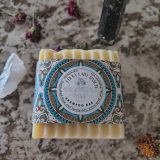 Shampoo and Conditioner BarPlastic free hair care with argan, castor and black seed oil.
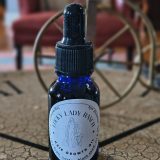 Hair OilSacha inchi, black seed, rice bran, argan and castor for hair and scalp.
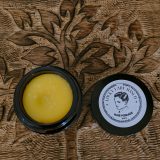 Hair PomadeA soft hold pomade made from shea, hemp seed and avocado oils.
Questions people ask
What ingredients should I avoid in shampoo?
Many people choose to avoid harsh sulfates like sodium lauryl sulfate, undisclosed fragrance, formaldehyde releasing preservatives such as DMDM hydantoin, and cyclic silicones like D4 and D5.
Why does my hair feel waxy after using a shampoo bar?
Soap-based shampoo bars can react with minerals in hard water and leave a film. Rinsing longer, using a diluted apple cider vinegar rinse, or choosing a pH-adjusted bar usually helps.
Is dry shampoo safe?
Several aerosol dry shampoos were recalled in 2021 and 2022 because of benzene contamination linked to propellants. Powder dry shampoos without propellants avoid that issue.
Do hair oils make hair grow?
No oil has strong evidence for growing hair. Oils can nourish, add shine, and help reduce damage. Persistent hair loss should be discussed with a doctor or dermatologist.
Are keratin treatments safe?
Some keratin and smoothing treatments release formaldehyde when heated, which can irritate eyes and airways and is a known human carcinogen. Many people choose to skip them, especially during pregnancy.
Sources and further reading
- Chang CJ et al., Use of Straighteners and Other Hair Products and Incident Uterine Cancer, Journal of the National Cancer Institute, 2022
- US Food and Drug Administration (FDA), Hair Smoothing Products That Release Formaldehyde When Heated
- US Food and Drug Administration (FDA), Hair Dyes
- Rele AS and Mohile RB, Effect of mineral oil, sunflower oil, and coconut oil on prevention of hair damage, Journal of Cosmetic Science, 2003
- European Chemicals Agency (ECHA), Restriction of D4, D5 and D6 under REACH
- International Agency for Research on Cancer (IARC), Monographs Volume 100F, Formaldehyde
This guide is for general education and is not medical advice. If you have a skin condition, allergy, or are pregnant or nursing, talk with your doctor or a board certified dermatologist about the products that are right for you.