Zinc Oxide: The Mineral Sun Filter Explained
Zinc oxide is one of only two sunscreen ingredients the FDA has proposed as safe and effective. Here is how it works, why it suits sensitive skin, and how to use it well.

Key takeaways
- Zinc oxide is a white mineral compound that protects skin across both UVB and UVA rays.
- The FDA has proposed zinc oxide and titanium dioxide as the only sunscreen actives with enough data to be generally recognized as safe and effective.
- It mostly absorbs UV light, with some scattering, rather than acting purely like a mirror.
- It is a gentler alternative to chemical filters like oxybenzone, which can cause allergies and is restricted in Hawaii.
- Any sunscreen only works when applied generously and reapplied, alongside shade and protective clothing.
For a long time, zinc oxide was the thick white stripe on a lifeguard's nose. Today it is the backbone of the mineral sunscreen category, and for good reason. It protects against a broad range of ultraviolet light, it rarely irritates skin, and US regulators consider it one of the best studied sun filters available. Here is what zinc oxide is, how it works, and how to get the most out of a mineral sunscreen.
What is zinc oxide?
Zinc oxide is a compound of zinc and oxygen that forms a fine white powder. It occurs in nature as a mineral, but the zinc oxide used in cosmetics and sunscreens is manufactured to be pure and consistent, usually by vaporizing zinc metal and letting it react with oxygen. It is called a "mineral" or "physical" sunscreen ingredient to distinguish it from carbon based "chemical" filters.
Zinc oxide has many skin uses beyond sun care. It is the main active in many diaper rash creams and in calamine lotion, where it acts as a skin protectant. That long track record on delicate skin is part of why it is so trusted.
On a US sunscreen label, it appears in the Drug Facts box as an active ingredient: Zinc Oxide, with its percentage. In the US, sunscreens are regulated as over the counter drugs.
How zinc oxide protects skin
Sunlight contains two main types of UV rays that affect skin:
- UVB rays are the main cause of sunburn.
- UVA rays reach deeper into skin and contribute to tanning, wrinkles, and sun damage. They pass through clouds and window glass.
Zinc oxide protects across UVB and the full UVA range, including the long UVA rays that many filters miss. That is why zinc oxide sunscreens can easily be broad spectrum.
You may have heard that mineral sunscreens work by "reflecting" UV like a mirror while chemical sunscreens "absorb" it. That is only partly true. Research has shown that zinc oxide mostly absorbs UV light, converting it to a small amount of heat, and scatters only a portion. The real differences are that zinc oxide is a stable mineral particle that stays on the skin's surface and does not break down in sunlight the way some chemical filters can.
What regulators say
In 2019, the FDA proposed updated rules for sunscreens. It proposed that only two active ingredients, zinc oxide and titanium dioxide, have enough data to be generally recognized as safe and effective. For most other filters, including oxybenzone, octinoxate, avobenzone, octocrylene, and homosalate, the agency said it needed more safety data from manufacturers. That does not mean those filters are proven harmful; it means the evidence was not complete.
In Europe, the Scientific Committee on Consumer Safety has concluded that zinc oxide, including its nano form, is safe for use on healthy skin in sunscreens, but cautioned against sprayable products that could lead to inhaling the particles.
Nano vs non nano
Zinc oxide particles can be made in different sizes. Larger, non nano particles tend to leave more of a white cast. Smaller, nano sized particles look more transparent. Studies to date suggest that zinc oxide particles of either size stay on the outer layer of healthy, intact skin and do not meaningfully penetrate. The bigger caution is inhalation, so mineral sunscreen lotions and balms are preferable to loose powders and sprays.
A gentler alternative to oxybenzone and other chemical filters
Oxybenzone (benzophenone-3) has been one of the most common chemical sun filters for decades, and it has drawn the most scrutiny. FDA studies published in JAMA in 2019 and 2020 found that oxybenzone and several other chemical filters are absorbed into the bloodstream at levels above the threshold where the agency wants more safety testing. The FDA was clear that this finding does not mean the ingredients are unsafe and that people should keep using sunscreen. But it is one reason the agency asked for more data.
Oxybenzone is also a known contact and photocontact allergen; the American Contact Dermatitis Society named benzophenones its Allergen of the Year in 2014. Some laboratory studies have prompted hormone related questions, and oxybenzone's possible effects on coral reefs led Hawaii to ban the sale of sunscreens containing oxybenzone and octinoxate starting in 2021. Our articles on oxybenzone and octinoxate and octocrylene and homosalate go deeper.
Zinc oxide avoids these questions. It is rarely allergenic, works right away without needing time to absorb, and is gentle enough for many people with sensitive skin, rosacea, or eczema. The tradeoffs are a thicker texture and some white cast. For a side by side comparison, see mineral vs chemical sunscreen.
How to use zinc oxide sunscreen
- Apply generously. Most people use far too little. The American Academy of Dermatology suggests about one ounce, roughly a shot glass full, to cover the exposed body of an adult.
- Spread it evenly over all exposed skin, including ears, the back of the neck, the tops of feet, and the part line in your hair.
- Reapply at least every two hours, and right after swimming, sweating, or toweling off.
- Use it with shade and clothing. Hats, sunglasses, long sleeves, and seeking shade during midday sun do much of the work.
- Warm it first. Balm style mineral sunscreens spread more easily when warmed between the fingers.
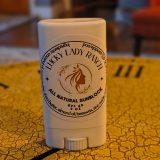
Our Mineral Sunblock is made with zinc oxide in a base of beeswax, which helps it spread and stay in place, plus carrot seed essential oil. Carrot seed oil is there for scent and skin feel; despite claims you may see online, it is not a sun filter. The zinc oxide does the UV work. Like any sunscreen, it should be reapplied after swimming or sweating.
Who should be careful
- Babies under six months. The American Academy of Pediatrics recommends keeping young infants out of direct sun and using shade and clothing first. Ask your pediatrician about sunscreen for babies.
- Acne prone skin. Thick mineral formulas can feel heavy. Cleanse well at the end of the day.
- Sprays and powders. Avoid inhaling mineral particles.
- Skin cancer history or photosensitivity. Talk with your dermatologist about the right sun protection plan for you.
Quality tips
- Check the active ingredients. A true mineral sunscreen lists only zinc oxide and/or titanium dioxide as actives. Some "mineral based" products add chemical filters.
- Watch the extras. Synthetic fragrance and other additives can irritate sensitive skin; see sensitive skin irritants.
- Mind the date and heat. Sunscreen left in a hot car can separate. Stir or warm balms gently, and replace old products.
- Prefer lotions and balms over loose powders and sprays.
Simple protection from a simple mineral
Zinc oxide shows that effective protection does not require a long list of synthetic filters. It is stable, well studied, and kind to sensitive skin. At Lucky Lady Ranch, we build our sun care around it because it lets us leave out chemical filters, synthetic fragrance, and the questions that come with them. Pair it with a good hat, a shady spot, and regular reapplication, and you have a calm, sensible approach to time outdoors. For more on putting your whole routine together, see how to build a non toxic daily routine.
From the ranch
Made in small batches, without the ingredients discussed above.
Questions people ask
Is zinc oxide safe in sunscreen?
Yes. The FDA has proposed zinc oxide as one of only two sunscreen active ingredients generally recognized as safe and effective, and European safety reviewers consider it safe on healthy skin. Avoid inhaling it from sprays or loose powders.
Is zinc oxide better than oxybenzone?
Zinc oxide offers broad UVA and UVB protection, rarely causes allergies, and has more complete safety data. Oxybenzone is a known allergen for some people, is absorbed into the bloodstream, and is banned in Hawaii because of reef concerns.
Does zinc oxide reflect UV rays?
Only partly. Research shows zinc oxide mainly absorbs UV light and scatters a smaller portion. It stays on the skin's surface and is stable in sunlight.
Is nano zinc oxide safe?
Current evidence suggests nano zinc oxide stays on the surface of healthy skin and does not meaningfully penetrate. European regulators consider it safe in creams and lotions but advise against sprays that could be inhaled.
Why does mineral sunscreen leave a white cast?
Zinc oxide is a white powder, and larger particles scatter visible light, which shows up as a white tint. Rubbing it in well, warming balm formulas, or using a smaller amount at a time can help it blend.
Sources and further reading
- US Food and Drug Administration (FDA), Sunscreen Drug Products for Over-the-Counter Human Use, Proposed Rule (2019)
- Matta MK, Florian J, Zusterzeel R, et al. Effect of Sunscreen Application on Plasma Concentration of Sunscreen Active Ingredients. JAMA, 2020
- European Commission Scientific Committee on Consumer Safety (SCCS), Opinion on Zinc oxide (nano form)
- American Academy of Dermatology (AAD), How to apply sunscreen
- American Contact Dermatitis Society, Allergen of the Year 2014: Benzophenones
- American Academy of Pediatrics (AAP), Sun Safety and Protection Tips
This guide is for general education and is not medical advice. If you have a skin condition, allergy, or are pregnant or nursing, talk with your doctor or a board certified dermatologist about the products that are right for you.