Natural Products and Shelf Life: How to Store Clean Beauty
Natural products last longer than many people expect, as long as you understand what spoils them. Here is how water, air, light, and heat affect clean beauty, and how to store it well.

Key takeaways
- Microbes need water to grow, so oil-only products like balms, body oils, and lip balms usually do not need a broad-spectrum preservative.
- Products that contain water, such as lotions and creams, need an effective preservative system to stay safe.
- Oils spoil mainly by oxidation, which causes rancidity; light, heat, and air speed it up, and vitamin E can help slow it.
- The open jar symbol with a number and M shows how many months a product is meant to be used after opening.
- Store natural products cool, dark, and dry, keep water out of jars, and trust your nose.
One of the first questions people ask about natural body care is whether it goes bad faster. The answer depends less on whether a product is natural and more on what kind of product it is. A jar of balm made only of butters and wax behaves very differently from a pump bottle of lotion. Once you understand the two main ways products spoil, you can store your clean beauty so it stays fresh and pleasant to use until the last scoop.
The Two Ways Products Spoil
Microbial growth
Bacteria, yeast, and mold need water to grow. Any product that contains water, including lotions, creams, liquid soaps, toners, and many conditioners, can support microbes once it is opened and exposed to air and fingers. That is why water-based products need a preservative system. Without one, contamination can develop in days or weeks, sometimes without visible signs. Contaminated products can cause skin and eye infections, which is why the FDA treats microbial contamination as a serious safety issue.
Oxidation
Oils and butters do not usually grow microbes on their own, but they can go rancid. Oxygen reacts with the fatty acids in oils, especially unsaturated ones, and breaks them down into compounds that smell stale and can irritate skin. Oxidation is sped up by light, heat, air exposure, and traces of metal or water.
Why Oil-Based Products Can Skip Preservatives
Products that contain no water are called anhydrous. Balms, salves, body oils, lip balms, solid deodorants, and bar soap fall into this group. Because there is no free water for microbes to use, these products generally do not need the broad-spectrum preservatives that lotions require. This is one reason many natural brands focus on oil-based formulas: it lets them leave out preservatives like parabens, phenoxyethanol, and formaldehyde releasers without cutting corners on safety.
There is one important catch. If water gets into an anhydrous product, for example from wet fingers dipping into a jar in the shower, it can create pockets where microbes could grow. Keeping water out is the single best habit for oil-based products.
Antioxidants are not preservatives
You will often see vitamin E (tocopherol) or rosemary extract in natural oil products. These are antioxidants. They help slow rancidity, which extends the useful life of the oils. They do not protect against bacteria or mold, so they cannot replace a preservative in a water-based product. Be wary of a lotion that claims vitamin E or grapefruit seed extract is its only preservation.
Which Oils Last Longest
Different oils oxidize at different rates, depending on their fatty acid makeup.
- Very stable: jojoba (technically a liquid wax), coconut oil, shea butter, cocoa butter, and beeswax.
- Moderately stable: olive oil, avocado oil, sweet almond oil, and castor oil.
- Less stable: oils rich in polyunsaturated fatty acids, such as rosehip seed, hemp seed, sacha inchi, and black seed oils. These are prized for skin and hair but benefit most from cool, dark storage.
Formulators often blend delicate oils with stable ones and add vitamin E to balance freshness and benefits.
Reading Dates and Symbols
The open jar symbol
A small icon of an open jar with a number and the letter M, such as 12M, is the period-after-opening symbol. It means the product is intended to be used within that many months after you open it. In the EU, it is required on products that last longer than 30 months; products with a shorter life need a best-before date instead.
US rules
US law does not require expiration dates on most cosmetics. Sunscreens are an exception: because they are regulated as over-the-counter drugs, they must carry an expiration date unless testing shows they stay stable for at least three years. The FDA also notes that eye products like mascara deserve extra caution because of infection risk, and many experts suggest replacing mascara every few months.
Writing the date you opened a product on the bottom with a marker is an easy way to keep track.
How to Tell If Something Has Gone Off
- Smell. Rancid oil smells like crayons, old paint, or stale nuts. This is the most reliable clue for oils and balms.
- Color. A noticeable darkening or new yellow tint can signal oxidation.
- Spots. Fuzzy or colored spots in a water-based product mean mold. Throw it away.
- Separation. A cream that splits into oily and watery layers that will not recombine has broken down.
- Orange spots on soap. Soapmakers call these "dreaded orange spots." They come from oils oxidizing in the bar. The soap is still usable on the rest of the bar, but it is past its best.
Graininess is not spoilage
Shea butter and some balms can turn slightly grainy after being warmed and cooled. That is a change in how the fats crystallize, not a sign the product has gone bad. The grains melt on contact with skin.
Storage Tips by Product Type
| Product | Best storage |
|---|---|
| Bar soap and shampoo bars | Draining dish, out of the shower stream; spare bars in a cool, dry cupboard |
| Balms and lip balms | Cool spot away from sun; use clean, dry fingers or a small spatula |
| Face and body oils | Tightly capped, away from light and heat; dark glass helps |
| Natural deodorant | Room temperature; it may soften in hot weather and firm up again when cool |
| Sunscreen | Out of hot cars and direct sun; follow the expiration date |
| Bath salts | Sealed container in a dry place, since salt draws moisture from the air |
Coconut oil, a common deodorant base, starts to melt around room temperature on a warm day. A softened stick is normal and still fine to use.
Small Batches Help
Freshness starts before a product reaches you. Products made in small batches spend less time sitting in warehouses, which matters for natural oils. Buying the amount you will use within a reasonable time is better than stocking up for years.
If you notice a rash, stinging, or eye irritation from a product, stop using it. If symptoms persist, check in with a doctor or dermatologist. Our guide to sensitive skin irritants can help you identify other possible causes.
How We Keep Things Fresh
At Lucky Lady Ranch most of our products are anhydrous by design, which lets us leave out synthetic preservatives. Our Body Balm is shea butter, beeswax, vitamin E, and essential oils, and our Beauty Oil pairs delicate rosehip seed and prickly pear oils with stable jojoba and vitamin E. Our cold process soaps are made in small batches. Store them cool, dry, and out of the light, and they will reward you. For more on how we think about simple formulas, see what clean beauty means and our guide to cold process soap.
From the ranch
Made in small batches, without the ingredients discussed above.
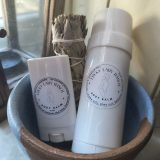 Body BalmUnrefined shea and organic beeswax for hard working skin.
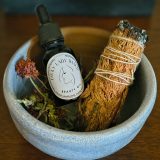 Beauty OilSeven plant oils for a soft, dewy, healthy looking face.
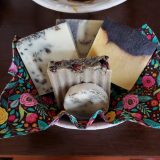 Body BarA true cold process soap for gentle, everyday cleansing.
Questions people ask
Do natural products expire faster?
Not necessarily. Oil-based natural products like balms and body oils can last many months when stored well. Water-based natural products without an effective preservative can spoil quickly, so the type of product matters more than whether it is natural.
Do oil-based products need preservatives?
Products with no water, such as balms, body oils, and lip balms, generally do not need broad-spectrum preservatives because microbes need water to grow. They often include antioxidants like vitamin E to slow rancidity.
How do I know if my body oil is rancid?
Rancid oil usually smells like crayons, old paint, or stale nuts, and may darken in color. If an oil smells off, it is best to replace it, since oxidized oils can irritate skin.
What does 12M mean on skincare?
12M next to an open jar icon is the period-after-opening symbol. It means the product is meant to be used within 12 months after you first open it.
Is vitamin E a preservative?
Vitamin E is an antioxidant that helps slow oils from going rancid. It does not stop bacteria, yeast, or mold, so it cannot replace a preservative in water-based products.
Sources and further reading
- US Food and Drug Administration (FDA), Shelf Life and Expiration Dating of Cosmetics
- US Food and Drug Administration (FDA), Microbiological Safety and Cosmetics
- European Commission, Regulation (EC) No 1223/2009 on Cosmetic Products, Article 19 Labeling
- Code of Federal Regulations, 21 CFR 211.137, Expiration Dating
This guide is for general education and is not medical advice. If you have a skin condition, allergy, or are pregnant or nursing, talk with your doctor or a board certified dermatologist about the products that are right for you.