Sacha Inchi and Rice Bran Oil for Hair
Sacha inchi and rice bran oils are two light, lesser known oils that soften hair and add shine without weighing it down. Here is what they offer and how to use them.

Key takeaways
- Sacha inchi oil comes from the star shaped seed pods of an Amazonian vine and is unusually rich in omega 3 alpha linolenic acid.
- Rice bran oil is pressed from the outer layer of rice grains and contains gamma oryzanol and vitamin E compounds.
- Both are light oils that add softness and shine, which makes them good for fine or easily weighed down hair.
- They improve how hair looks and feels; there is no evidence that they make hair grow.
- For softer, smoother looking hair, gentle oils are a far milder approach than chemical relaxers or formaldehyde based smoothing treatments.
Most people know argan oil and coconut oil, but two quieter oils deserve a place in the hair care conversation. Sacha inchi oil comes from the Amazon rainforest, and rice bran oil comes from one of the world's oldest crops. Both are light, both are rich in interesting natural compounds, and both can make hair feel softer and look glossier without the heavy, greasy feel of thicker oils. Here is a calm guide to what they are and how to use them.
What is sacha inchi oil?
Sacha inchi (Plukenetia volubilis) is a climbing vine native to the Amazon rainforest, especially in Peru. It is sometimes called the "Inca peanut," though it is not a true peanut. The plant produces distinctive star shaped seed pods, each holding several seeds that have been eaten roasted and pressed for oil by Indigenous communities for generations.
What makes sacha inchi oil special is its fatty acid profile. It is one of the richest plant sources of alpha linolenic acid (ALA), an omega 3 fatty acid, which often makes up close to half of the oil. Most of the rest is linoleic acid, an omega 6. That combination gives the oil a light, thin texture that absorbs easily. It also contains natural tocopherols (vitamin E), which help protect those delicate fatty acids.
On a label, look for Plukenetia Volubilis Seed Oil.
What is rice bran oil?
Rice bran is the outer layer of the rice grain, removed when brown rice is polished into white rice. The oil pressed or extracted from that bran is widely used as a cooking oil in Japan and other parts of Asia, and it has become a popular cosmetic oil as well.
Rice bran oil is roughly balanced between oleic acid and linoleic acid, giving it a medium light feel. It stands out for two groups of natural compounds:
- Gamma oryzanol, a mix of plant compounds found mainly in rice bran oil, which has been studied for antioxidant activity.
- Tocopherols and tocotrienols, the forms of vitamin E that help keep the oil stable.
Rice and its byproducts have a long history in hair care in parts of Asia, where rinsing hair with rice water is a traditional practice. Rice bran oil carries some of that heritage into a modern form. On labels, look for Oryza Sativa (Rice) Bran Oil.
What these oils do for hair
Hair strands are not living tissue, so oils cannot nourish them from within the way food nourishes the body. What oils do is coat, smooth, and lubricate the outer layer of the hair, called the cuticle. Sacha inchi and rice bran oils can:
- Add softness and shine by smoothing the cuticle so hair reflects light more evenly.
- Help reduce the look of frizz and flyaways, especially in dry weather.
- Make hair easier to detangle, which means less breakage from combing.
- Help a dry scalp feel more comfortable when massaged in gently.
Because both oils are light, they are especially useful for people with fine or straight hair who find heavier oils, like castor oil or coconut oil, leave their hair limp. In a blend, they balance out richer oils.
Lab research on hair and oils is limited for these two specifically, and you will see bold claims about growth and thickness online. There is no reliable evidence that sacha inchi or rice bran oil makes hair grow, and we do not claim that they do. Shedding and thinning have many causes, some medical, so a dermatologist is the right person to see if you notice changes.
Both oils are in our Hair Oil, alongside black seed oil, argan oil, and castor oil. The blend is designed to give hair softness, slip, and shine with a balance of light and rich oils.
A gentler alternative to chemical relaxers and smoothing treatments
Many people who want smoother, softer, more manageable hair are offered chemical solutions. Chemical relaxers use strong alkaline ingredients, such as sodium hydroxide (lye) or guanidine hydroxide (no lye), to break the bonds that give hair its natural curl. Keratin and "Brazilian" smoothing treatments often rely on formaldehyde or chemicals that release formaldehyde when heated with a flat iron.
These products can cause scalp burns, hair breakage, and, for smoothing treatments, eye and breathing irritation from formaldehyde fumes. Research has also pointed to longer term questions. The National Institutes of Health's Sister Study reported in 2022 that women who used hair straightening products frequently had a higher rate of uterine cancer than women who did not. That is an association, not proof that the products caused cancer, but it has prompted further research and regulatory attention, including FDA statements about formaldehyde in hair smoothing products. Our article on chemical hair relaxers and straighteners explains the research in more detail, and formaldehyde releasers covers the chemistry.
To be clear, oils do not straighten hair. If straight hair is your goal, they will not do what a relaxer does. But if what you really want is hair that feels softer, frizzes less, detangles easily, and looks healthy and glossy in its natural texture, gentle oils address that directly, without altering the hair's structure or exposing your scalp to harsh chemicals. Many people also find their natural texture easier to love once it is well moisturized.
It is also worth noting that many traditional "hair grease" products are built on mineral oil and petrolatum. Light plant oils like these are a renewable alternative that many people find less heavy on the scalp.
How to use sacha inchi and rice bran oil on hair
As a pre wash treatment
- Work a small amount of oil through dry hair, focusing on the lengths and ends.
- If you like, massage a few drops into the scalp with your fingertips.
- Leave it on for 30 minutes to a few hours.
- Shampoo as usual. A gentle bar, such as our Shampoo and Conditioner Bar, removes the oil without harsh sulfates.
As a finishing oil
Rub one or two drops between your palms and smooth over dry or damp hair to tame flyaways and add shine. Start with less than you think; you can always add more.
For different hair types
- Fine or oily hair: use a drop on the ends only.
- Thick, curly, or coily hair: a little more can help seal in moisture after a leave in conditioner.
- Color treated hair: oils can help dry, processed ends feel softer.
For a whole routine, see our guide to non toxic hair care.
Who should be careful
- Allergies. Reactions are uncommon, but anyone with a known allergy to rice or to sacha inchi, or with very sensitive skin, should patch test on the inner arm first.
- Scalp conditions. If you have a flaky, itchy, or inflamed scalp, check with a dermatologist before adding oils, since some scalp conditions can worsen with oil.
- Fragile oils. Sacha inchi's high omega 3 content means it can oxidize. Rancid oil may irritate skin, so discard oil that smells sharp or fishy.
Quality tips
- Choose cold pressed sacha inchi oil in dark glass, and store it cool, ideally away from light.
- For rice bran oil, cosmetic grade or cold pressed oil keeps more of its natural compounds than highly refined cooking oil.
- Read the label. Check that the oil you want is high on the ingredient list rather than a token addition to a silicone serum.
- Buy reasonable amounts you can use within several months.
Soft hair, gentle ingredients
Sacha inchi and rice bran oils are not famous, and they do not need to be. They do their job quietly: softening, smoothing, and adding shine while respecting your hair's natural texture. At Lucky Lady Ranch, we choose oils like these because they let us care for hair without relaxers, formaldehyde, or petroleum greases. Leaving those out is how we keep hair care simple and kind.
From the ranch
Made in small batches, without the ingredients discussed above.
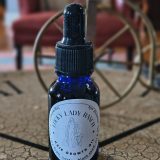 Hair OilSacha inchi, black seed, rice bran, argan and castor for hair and scalp.
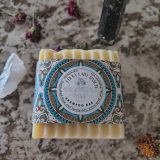 Shampoo and Conditioner BarPlastic free hair care with argan, castor and black seed oil.
Questions people ask
What is sacha inchi oil good for in hair care?
Sacha inchi oil is a light, omega 3 rich oil that helps soften hair, add shine, and reduce the look of frizz without heavy buildup. It suits fine hair and blends well with richer oils.
Is rice bran oil good for hair?
Rice bran oil is a medium light oil with natural vitamin E compounds and gamma oryzanol. It can help hair feel softer and look glossier, and it works well as a pre wash treatment or finishing oil.
Can sacha inchi or rice bran oil make my hair grow?
There is no reliable evidence that either oil makes hair grow. They improve how hair looks and feels. If you are concerned about thinning or shedding, see a dermatologist to look for underlying causes.
Can oils replace a chemical relaxer?
Oils do not straighten hair. They can help hair feel softer, frizz less, and detangle more easily in its natural texture, which is what many people are really after, without the scalp burns or chemical exposure relaxers can bring.
How do I keep sacha inchi oil from going rancid?
Store it in a dark bottle away from heat and light, keep the cap tightly closed, and use it within several months. Refrigeration can extend its life. Discard it if it smells sharp or fishy.
Sources and further reading
- Chang CJ, O'Brien KM, Keil AP, et al. Use of Straighteners and Other Hair Products and Incident Uterine Cancer. Journal of the National Cancer Institute, 2022
- National Institute of Environmental Health Sciences (NIEHS), The Sister Study
- US Food and Drug Administration (FDA), Hair Smoothing Products That Release Formaldehyde When Heated
- Occupational Safety and Health Administration (OSHA), Hazard Alert: Hair Smoothing Products That Could Release Formaldehyde
- European Commission, CosIng Cosmetic Ingredient Database: Plukenetia Volubilis Seed Oil
This guide is for general education and is not medical advice. If you have a skin condition, allergy, or are pregnant or nursing, talk with your doctor or a board certified dermatologist about the products that are right for you.