Mineral vs Chemical Sunscreen: Which Is Better for You
Mineral and chemical sunscreens both protect skin, but they differ in ingredients, absorption, and how they feel. Here is a fair comparison to help you choose.

Key takeaways
- Mineral sunscreens use zinc oxide or titanium dioxide; chemical sunscreens use organic filters such as avobenzone, oxybenzone, octocrylene, and homosalate.
- In 2019 the FDA proposed that only zinc oxide and titanium dioxide had enough data to be considered generally recognized as safe and effective, and asked for more data on most chemical filters.
- FDA studies found several chemical filters absorbed into the bloodstream after normal use; the agency said this does not mean they are unsafe.
- Mineral formulas tend to be gentler for sensitive skin, children, and pregnancy, but can leave a white cast.
- The best sunscreen is the one you apply generously and reapply, along with shade, hats, and clothing.
Few topics in skin care stir up as much debate as sunscreen. One camp says chemical sunscreens are absorbed into the body and should be avoided. Another says any sunscreen is better than none, and mineral formulas are chalky and unpleasant. Both sides have a point. The most important thing is to protect your skin from sunburn and long-term sun damage, which raise the risk of skin cancer. Choosing between mineral and chemical filters is about how you do that. Here is a fair look at both.
What Is the Difference?
Mineral sunscreen
Mineral sunscreens, sometimes called physical sunscreens, use one or both of two active ingredients: zinc oxide and titanium dioxide. These are fine mineral particles that sit on top of the skin. You may have heard that mineral sunscreens "reflect" UV light while chemical ones "absorb" it. That is an oversimplification. Research shows mineral filters work mainly by absorbing UV light, with some reflection and scattering. The practical difference is that they stay largely on the skin's surface rather than soaking in.
Zinc oxide protects across UVB and a wide range of UVA, including longer UVA wavelengths. Titanium dioxide is strong against UVB and shorter UVA but weaker against the longest UVA rays, which is why it is often paired with zinc. Our ingredient guide to zinc oxide explains more.
Chemical sunscreen
Chemical sunscreens, also called organic filter sunscreens, use carbon-based molecules that absorb UV radiation and release it as a small amount of heat. Common US filters include avobenzone, oxybenzone, octinoxate, octisalate, octocrylene, and homosalate. Formulas usually combine several filters to cover both UVA and UVB.
What Regulators Say
In the US, sunscreens are over-the-counter drugs, regulated by the FDA. In 2019, the FDA issued a proposal reviewing the 16 sunscreen active ingredients then on the market:
- Zinc oxide and titanium dioxide were proposed as generally recognized as safe and effective.
- Two ingredients, PABA and trolamine salicylate, were proposed as not safe and effective. Neither is in common use today.
- The remaining 12, including oxybenzone, avobenzone, octocrylene, and homosalate, needed more safety data before the FDA could make a determination.
This does not mean those 12 are unsafe. It means the FDA asked manufacturers to provide modern data on absorption and long-term safety that did not exist when the filters were first allowed. In the EU, where sunscreens are cosmetics, regulators have set concentration limits on some chemical filters, including oxybenzone and homosalate, based on safety opinions. See our US vs EU comparison for why the systems differ.
The Absorption Studies
In 2019 and 2020, FDA researchers published two clinical trials in the Journal of the American Medical Association. Volunteers applied chemical sunscreens as directed, repeatedly over several days. All six filters tested, including avobenzone, oxybenzone, octocrylene, homosalate, octisalate, and octinoxate, reached blood levels above the threshold at which the FDA says more safety testing is needed. Oxybenzone levels were especially high.
The FDA was clear that this does not prove harm and that people should continue using sunscreen. It does show that these filters are absorbed more than once assumed. Our article on skin absorption explains the science. Oxybenzone has also been studied for hormone activity, which is why it often appears on lists of endocrine disruptors.
What About Nano Particles?
To reduce the white cast, many mineral sunscreens use very small, nano-sized particles. Studies generally find that zinc oxide and titanium dioxide nanoparticles do not meaningfully penetrate healthy, intact skin. The EU's Scientific Committee on Consumer Safety has concluded that these nano forms are safe on skin at permitted levels, but has recommended against using them in sprays that could be inhaled. If you choose a mineral sunscreen, a lotion or stick is a better choice than a spray.
Reef and Environmental Concerns
In 2018 Hawaii passed a law banning the sale of sunscreens containing oxybenzone and octinoxate, which took effect in 2021, citing harm to coral reefs. Laboratory studies have shown that oxybenzone can damage coral, but how much sunscreen contributes to reef decline in the wild, compared with warming oceans and pollution, is still being studied. A 2022 report from the National Academies of Sciences, Engineering, and Medicine called for more research. "Reef safe" is not a regulated term, so read the active ingredients rather than trusting the claim.
Side by Side
| Mineral | Chemical | |
|---|---|---|
| Active ingredients | Zinc oxide, titanium dioxide | Avobenzone, oxybenzone, octocrylene, homosalate, others |
| FDA status (2019 proposal) | Generally recognized as safe and effective | More data requested for most filters |
| Absorption | Minimal through healthy skin | Several filters found in blood |
| Sensitive skin | Usually well tolerated | Some filters can sting or cause allergy |
| Feel | Thicker; may leave a white cast | Usually sheer and lightweight |
| Stability | Stable in sunlight | Some filters, like avobenzone, need stabilizers |
Who Might Prefer Mineral
- People with sensitive skin, rosacea, or eczema. See our guide to sensitive skin irritants.
- Children over 6 months. Babies younger than that should be kept out of direct sun.
- People who are pregnant and want to limit absorbed ingredients.
- Anyone who wants to avoid filters still under FDA review.
People with deeper skin tones sometimes find mineral sunscreens leave a noticeable cast. Tinted mineral formulas can help, and iron oxides in tinted products also help block visible light.
When chemical may be the practical choice
Some people simply will not wear a thick or chalky product every day, and some find sheer chemical formulas easier for long days outdoors. Dermatologists are consistent on this point: if the choice is between a chemical sunscreen you will actually use and no sunscreen at all, use the sunscreen. You can still limit exposure by choosing formulas without oxybenzone and by leaning on hats and shade.
How to Use Any Sunscreen Well
The American Academy of Dermatology recommends these basics:
- Choose a product labeled broad spectrum, SPF 30 or higher, and water resistant for swimming or sweating.
- Apply generously. Most adults need about one ounce, roughly a shot glass full, to cover the body.
- Reapply about every two hours, and after swimming or sweating.
- Do not forget ears, the back of the neck, the tops of feet, and the scalp along your part.
- Pair sunscreen with shade, wide-brimmed hats, sunglasses, and protective clothing, especially between 10 a.m. and 2 p.m.
No sunscreen blocks all UV light, and none lasts all day. If you notice a changing mole or a spot that will not heal, see a dermatologist.
Our Choice on the Ranch
Working outdoors on a ranch, we think about the sun every day. We chose zinc oxide for our Mineral Sunblock, combined with beeswax and carrot seed essential oil, because we prefer a mineral filter that sits on the skin. We use it as one part of sun protection, alongside wide hats, long sleeves, and an afternoon break in the shade, and we reapply after sweating or swimming. For dry, sun-worn skin at the end of the day, our Body Balm helps soften and comfort.
From the ranch
Made in small batches, without the ingredients discussed above.
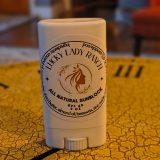 Mineral SunblockZinc oxide in a beeswax balm, without chemical UV filters.
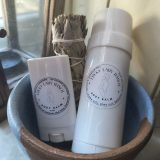 Body BalmUnrefined shea and organic beeswax for hard working skin.
Questions people ask
Is mineral sunscreen better than chemical sunscreen?
Both can protect against sunburn. Mineral sunscreens use zinc oxide or titanium dioxide, which the FDA has proposed as safe and effective, and they tend to suit sensitive skin. Chemical sunscreens feel lighter but several filters are absorbed into the bloodstream and are awaiting more safety data.
Are chemical sunscreens safe?
The FDA has not said chemical sunscreens are unsafe. It has asked manufacturers for more data on most chemical filters after studies showed they are absorbed into the blood. The FDA recommends continuing to use sunscreen.
Does mineral sunscreen get absorbed into the skin?
Research generally shows that zinc oxide and titanium dioxide, including nanoparticles, do not meaningfully penetrate healthy, intact skin.
What does reef safe sunscreen mean?
Reef safe is not a regulated term. It usually means the product does not contain oxybenzone or octinoxate, which Hawaii banned in 2021. Check the active ingredients rather than relying on the label.
Does mineral sunscreen work right away?
Many people are told mineral sunscreen works instantly, but dermatology groups generally recommend applying any sunscreen about 15 minutes before going outdoors so it can form an even layer.
Sources and further reading
- US Food and Drug Administration (FDA), Sunscreen Drug Products for Over-the-Counter Human Use, Proposed Rule, 2019
- Matta MK et al., Effect of Sunscreen Application on Plasma Concentration of Sunscreen Active Ingredients, JAMA, 2020
- American Academy of Dermatology (AAD), How to Apply Sunscreen
- European Commission, Scientific Committee on Consumer Safety (SCCS), Opinions on Zinc Oxide (nano form) and Titanium Dioxide (nano form)
- National Academies of Sciences, Engineering, and Medicine, Review of Fate, Exposure, and Effects of Sunscreens in Aquatic Environments and Implications for Sunscreen Usage and Human Health, 2022
This guide is for general education and is not medical advice. If you have a skin condition, allergy, or are pregnant or nursing, talk with your doctor or a board certified dermatologist about the products that are right for you.


