The Fragrance Loophole: Why Labels Can Keep Secrets
One word, fragrance, can legally stand in for a blend of many undisclosed chemicals. Here is how that loophole works, why it matters for allergies, and what is starting to change.

Key takeaways
- US labeling rules let companies list a scent blend simply as fragrance or parfum, without naming its components.
- A single fragrance can contain dozens of ingredients, potentially including allergens and, historically, phthalates such as DEP.
- Fragrance is one of the most common causes of allergic contact reactions to cosmetics.
- MoCRA directs the FDA to require labeling of fragrance allergens, and the EU already requires many allergens to be named.
- Unscented is not the same as fragrance-free; unscented products can contain masking fragrance.
Most cosmetic labels in the US must name every ingredient. There is one notable exception, and it fits in a single word. When you see "fragrance" or "parfum" on a label, that word can represent a blend of many separate chemicals, none of which have to be listed. This is what people call the fragrance loophole. It was created for understandable business reasons, but it leaves shoppers with a blind spot, especially those with allergies or sensitive skin.
What Is the Fragrance Loophole?
Under the Fair Packaging and Labeling Act and FDA labeling regulations, cosmetics sold to consumers must list their ingredients. The regulations also allow fragrance and flavor to be listed by those general terms rather than by their individual components. The reasoning is that scent formulas are valuable trade secrets. A perfume house can spend years developing a signature blend, and a full ingredient list would make it easy to copy.
The result is that "fragrance" on a label might mean a single essential oil or a complex mixture of synthetic aroma chemicals, solvents, fixatives, and stabilizers. The International Fragrance Association, the industry's trade group, publishes a list of thousands of materials that its members have reported using in fragrance compounds. Any combination of them could sit behind that one word.
Where you will find it
Fragrance shows up far beyond perfume. It appears in shampoo, conditioner, body wash, lotion, deodorant, sunscreen, baby wipes, shaving cream, and even some products marketed for sensitive skin. On labels it may read:
- Fragrance
- Parfum
- Perfume
- Aroma
- Flavor (in lip products and toothpaste)
What Can Hide Behind the Word
Allergens
Fragrance is one of the most frequent causes of allergic contact dermatitis from cosmetics, according to dermatology groups such as the American Academy of Dermatology. Some known fragrance allergens are synthetic, like hydroxycitronellal. Others come from nature, like the linalool and limonene found in lavender and citrus oils, which become more allergenic as they oxidize. If you react to a product, the label often cannot tell you which component caused it.
Phthalates
Diethyl phthalate (DEP) has been used in fragrance to help scents last longer. Because it is part of the fragrance mixture, it would not appear separately on a label. Some phthalates have been studied as endocrine disruptors, which is a large part of why fragrance is a focus of the clean beauty movement.
Synthetic musks
Polycyclic musks such as galaxolide and tonalide are long-lasting scent ingredients that have been found in waterways and in human tissue. Our guide to synthetic musks covers what is known.
None of this means every fragrance contains these ingredients. Many do not. The problem is that without disclosure, you cannot tell.
What Regulators Are Doing
In the United States
The Modernization of Cosmetics Regulation Act of 2022 (MoCRA) directed the FDA to identify fragrance allergens that must be listed on cosmetic labels. The law set a deadline for a proposed rule, but the rulemaking has run behind schedule. Check the FDA's MoCRA page for the current status. Our article on what MoCRA changed explains the wider law.
Some states have moved on their own. California's Cosmetic Fragrance and Flavor Ingredient Right to Know Act of 2020 requires companies to report certain fragrance ingredients, including those on designated hazard lists and specific allergens, to the state's Safe Cosmetics Program, which makes the information publicly searchable. The law does not require those ingredients on the package itself.
In the European Union
The EU has required 26 specific fragrance allergens to be named on labels for years when they exceed set concentrations: 0.001% in leave-on products and 0.01% in rinse-off products. A 2023 update expanded that list to more than 80 allergens, with transition periods running into 2026 and 2028. That is why European labels often end with names like linalool, citronellol, geraniol, or limonene. See our comparison of US vs EU cosmetic rules.
Industry self-regulation
The International Fragrance Association sets standards that restrict or prohibit certain fragrance materials. Member companies agree to follow them. These standards are meaningful, but they are voluntary and set by the industry itself.
How Dermatologists Track Down a Fragrance Allergy
Because the label cannot name the culprit, finding a fragrance allergy takes detective work. Dermatologists use patch testing, in which small amounts of common allergens are taped to the back for about two days and the skin is checked over the following days. Standard patch test series include fragrance screening mixes and balsam of Peru (Myroxylon pereirae), along with individual fragrance chemicals. A positive result does not tell you every product to avoid, but it gives you names to look for, which is far more useful than guessing. Once you know your trigger, fully disclosed labels become especially valuable.
Fragrance-Free vs Unscented
This distinction trips up many shoppers. "Fragrance-free" generally means no fragrance ingredients were added. "Unscented" means the product has no noticeable smell, which can be achieved by adding a masking fragrance to cover the natural odor of the other ingredients. Neither term has a strict federal definition for cosmetics, so read the ingredient list to be sure.
Are Essential Oils the Answer?
Products scented only with named essential oils are more transparent, since you can see exactly which plants are used. That is a real improvement. But essential oils are concentrated plant chemicals, and several contain known allergens. People with fragrance allergies may react to lavender, citrus, tea tree, or other oils. Transparency helps you decide; it does not make every scent right for every person. If you react to many products, a dermatologist can do patch testing to identify the specific trigger.
How to Shop Around the Loophole
- Look for full disclosure. Choose products that name every scent ingredient, or that use only identified essential oils.
- Go fragrance-free for leave-on products if you have sensitive skin, eczema, or a known fragrance allergy. Our list of sensitive skin irritants may help.
- Do not trust "unscented" alone. Check for fragrance or parfum in the list.
- Patch test new products on a small area of the inner arm for a few days before wider use.
- Be extra careful with baby products. Pediatric groups generally suggest mild, unscented products for infants.
Nothing to Hide
At Lucky Lady Ranch we do not use synthetic fragrance blends. When our products have a scent, it comes from essential oils we can name. Our Man Bar, for example, gets its scent from tea tree, cedarwood, and bergamot mint. We believe you should be able to read a label and know exactly what you are putting on your skin, and that includes what makes it smell good. For background on what synthetic blends can contain, see our guide to synthetic fragrance and parfum.
From the ranch
Made in small batches, without the ingredients discussed above.
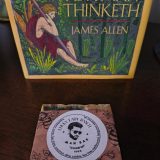 Man BarTea tree, cedarwood and bergamot mint in a clean, rugged bar.
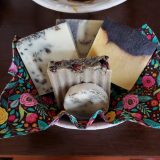 Body BarA true cold process soap for gentle, everyday cleansing.
Questions people ask
Why don't companies have to list fragrance ingredients?
US labeling rules allow fragrance and flavor to be listed by those general terms because scent formulas are treated as trade secrets. This lets companies protect their blends but keeps the individual components off the label.
What chemicals can be hidden in fragrance?
A fragrance can contain dozens of components, potentially including known allergens, solvents, fixatives, synthetic musks, and historically phthalates such as diethyl phthalate. The label alone cannot tell you which are present.
Is fragrance-free the same as unscented?
No. Fragrance-free generally means no fragrance was added. Unscented means the product has no noticeable smell, which can be achieved with a masking fragrance. Check the ingredient list for fragrance or parfum.
Does MoCRA require fragrance ingredients on labels?
MoCRA directs the FDA to require labeling of specific fragrance allergens, not every fragrance component. The rulemaking has been delayed, so check the FDA for the latest status.
Are essential oils safer than synthetic fragrance?
They are more transparent because they can be named, but essential oils contain natural allergens such as linalool and limonene. People with fragrance allergies can still react to them.
Sources and further reading
- Code of Federal Regulations, 21 CFR 701.3, Designation of Ingredients
- US Food and Drug Administration (FDA), Fragrances in Cosmetics
- US Food and Drug Administration (FDA), Modernization of Cosmetics Regulation Act of 2022 (MoCRA)
- European Commission, Commission Regulation (EU) 2023/1545 on labeling of fragrance allergens in cosmetic products
- California Department of Public Health, California Safe Cosmetics Program
- International Fragrance Association (IFRA), IFRA Standards
This guide is for general education and is not medical advice. If you have a skin condition, allergy, or are pregnant or nursing, talk with your doctor or a board certified dermatologist about the products that are right for you.