Bentonite Clay: How Natural Clay Absorbs and Cleanses
Bentonite is a volcanic clay that soaks up oil and moisture, which is why it shows up in masks, soaps, and natural deodorants. Here is how it works and how to use it well.

Key takeaways
- Bentonite is a clay formed from weathered volcanic ash, made mostly of the mineral montmorillonite.
- It absorbs water and oil and can bind some substances to its surface, which makes it useful in masks, soap, and deodorant.
- It is an absorbent, not an antiperspirant: it helps manage the feel of moisture without blocking sweat glands like aluminum salts do.
- Some clays have been found to contain lead, so buy from sellers who test for heavy metals.
- Clay can be drying; use masks briefly and moisturize afterward.
People have used clay on skin for about as long as there have been people. Mud baths, clay masks, and earth based poultices appear in traditions all over the world. Among modern cosmetic clays, bentonite is one of the most popular, partly because of a remarkable property: when it meets water, it swells and soaks up moisture and oil like a sponge. Here is how bentonite works, where it helps, where its reputation runs ahead of the science, and how to choose a clean one.
What is bentonite clay?
Bentonite is a clay formed over long periods as volcanic ash weathers, usually in the presence of water. Its main ingredient is a mineral called montmorillonite, a type of layered silicate. The name traces back to Fort Benton, Montana, by way of a geological formation named after it, and large deposits are still mined in Wyoming and other parts of the world.
There are two main types:
- Sodium bentonite swells dramatically when wet, absorbing many times its weight in water. It is the type most often sold for masks and DIY use.
- Calcium bentonite swells less and feels a bit softer on skin. Some products sold as "healing clay" or "magnetic clay" are calcium rich bentonite or montmorillonite clays, though trade names vary.
On ingredient labels, look for Bentonite or Montmorillonite.
How clay absorbs and cleanses
Bentonite's tiny, flat particles are stacked like the pages of a book. Water slips between those layers, which is why the clay swells. That structure gives it a very large surface area and the ability to hold a lot of liquid, including the oils on skin.
The clay's particles also carry a negative charge on their surfaces, which lets them attract and hold certain positively charged substances. This is how bentonite is used in industry to clarify wine and in environmental work to line ponds and landfills. On skin, it is the reason clay is often described as "drawing out impurities."
That phrase deserves a gentle reality check. Bentonite clearly absorbs surface oil, sweat, and grime, which is why skin feels clean and matte after a clay mask. But claims that it pulls deep "toxins" out of the body through the skin are not supported by good evidence. Your liver and kidneys handle detoxification. Clay simply cleans and absorbs at the surface, and that is useful enough on its own.
Where bentonite shows up
- Face masks for oily or combination skin, where it helps absorb excess oil and leaves a matte finish.
- Natural deodorants, where it helps absorb moisture and works alongside odor fighters. It is one of the ingredients in our All Day Deodorant, with arrowroot, baking soda, and activated charcoal.
- Soap and shaving bars, where clay adds slip for shaving and a silky feel.
- Bath soaks, often as part of a blend with mineral salts; see our article on Epsom salt and sea salt baths.
- Dry shampoos and body powders, as an absorbent alternative to talc.
A gentler alternative to aluminum antiperspirants
Conventional antiperspirants use aluminum salts, such as aluminum chlorohydrate or aluminum zirconium compounds. These dissolve in sweat and form temporary plugs in the sweat ducts, reducing how much sweat reaches the skin. In the US, antiperspirants are regulated as over the counter drugs for that reason.
Many people worry about aluminum because of reports linking it to breast cancer or Alzheimer's disease. It is fair to say plainly that major organizations, including the National Cancer Institute and the American Cancer Society, have found no convincing evidence that antiperspirants cause breast cancer, and the Alzheimer's Association has said the aluminum theory is not supported by research. The FDA does require antiperspirant labels to advise people with kidney disease to ask a doctor before use, because weakened kidneys may not clear aluminum well. Our article on aluminum in antiperspirants sorts concern from myth in detail.
So why choose a clay based deodorant? Many people simply prefer not to block a normal body function every day, or they find that aluminum products irritate their underarms or stain clothing. Bentonite offers a different approach. It does not plug sweat glands; it absorbs some of the moisture after it reaches the skin and helps you feel drier.
A note on honesty: bentonite is itself an aluminum silicate, meaning aluminum is part of its mineral structure. But it is a very different substance from the aluminum salts in antiperspirants. It is not designed to dissolve in sweat and form plugs, and it is not an antiperspirant. That is why natural deodorants are labeled as deodorants, not antiperspirants. If you are making the switch, our guide to switching to natural deodorant explains what to expect in the first few weeks.
Clay is also a useful absorbent in powders where talc has traditionally been used, for people who prefer to avoid talc because of past concerns about asbestos contamination.
How to use bentonite clay
As a face mask
- Mix about a teaspoon of clay with enough water to form a smooth paste. Use a nonmetal bowl if you like, though there is little evidence that a brief stir with a metal spoon matters.
- Spread a thin layer over clean skin, avoiding the eyes and lips.
- Rinse after 5 to 10 minutes, before it dries hard and cracks. Fully dried clay can over dry and irritate skin.
- Follow with a moisturizer or a few drops of facial oil.
Once a week is plenty for most people. Oily skin may enjoy it a little more often; dry or sensitive skin may prefer it less often or not at all.
In deodorant
Apply to clean, dry underarms. If a clay and baking soda deodorant causes redness, stop using it and give your skin time to calm down. Baking soda, not clay, is the more common culprit for irritation in natural deodorants.
Who should be careful
- Dry or sensitive skin. Clay is drying by nature. Keep masks short and moisturize after. See our guide to sensitive skin irritants.
- Babies and young children. Do not use clay products on babies unless your pediatrician recommends it. In 2016, the FDA warned consumers not to use a bentonite clay product marketed for babies after testing found high levels of lead.
- Eating clay. Some people take bentonite by mouth. That is outside the scope of this article, and it can interfere with medications and carry contamination risks. Talk with your doctor first.
- Breathing dust. Avoid inhaling dry clay powder when mixing. Some clays can contain crystalline silica, which is harmful to breathe over time.
Quality tips: choosing a clean clay
- Ask about heavy metal testing. Clay comes from the earth, and the earth contains metals. Reputable suppliers test for lead, arsenic, and other contaminants. Our article on lead, mercury and heavy metals in cosmetics explains why this matters.
- Look for cosmetic grade clay. It is processed and tested for skin use.
- Check the color and texture. Bentonite is usually gray to cream colored and very fine. Grit or a strong odor suggests a lower grade product.
- Keep it dry. Store powdered clay sealed, and mix only what you will use. A wet clay paste sitting around can grow microbes.
Simple earth, carefully chosen
Bentonite clay does a humble job well: it absorbs. That makes it a natural fit in masks, soap, and deodorant, and a useful way to manage moisture without aluminum salts or talc. At Lucky Lady Ranch, we include clay in our deodorant and bath soak because a clean, tested clay lets us leave harsher ingredients out, while giving you something that feels fresh and works with your body instead of against it.
From the ranch
Made in small batches, without the ingredients discussed above.
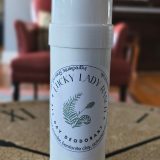 All Day DeodorantAluminum free deodorant that passed every sweaty test we gave it.
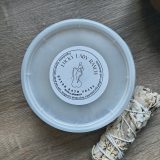 Epsom Sea Salt Bath SoakEpsom salt, sea salt and magnetic clay for a long, quiet soak.
Questions people ask
Does bentonite clay stop sweating?
No. Bentonite absorbs some moisture after sweat reaches the skin, which helps you feel drier, but it does not block sweat glands. Only antiperspirants, usually made with aluminum salts, reduce sweating.
Does bentonite clay contain aluminum?
Yes, aluminum is part of bentonite's mineral structure as an aluminum silicate. That is very different from the aluminum salts used in antiperspirants, which are designed to dissolve in sweat and temporarily plug sweat ducts.
How often should I use a bentonite clay mask?
Once a week is plenty for most people. Rinse it off before it dries completely and follow with a moisturizer. People with dry or sensitive skin may want to use it less often.
Does bentonite clay really draw out toxins?
Bentonite absorbs oil, sweat, and dirt from the skin's surface, which is why skin feels clean afterward. There is no good evidence that it pulls toxins out of the body through the skin.
Is bentonite clay safe?
Cosmetic grade bentonite is generally safe for external use, but some clay products have been found to contain lead. Buy from sellers who test for heavy metals, avoid breathing the dust, and do not use it on babies without talking to your pediatrician.
Sources and further reading
- US Food and Drug Administration (FDA), FDA warns consumers not to use Bentonite Me Baby (2016)
- National Cancer Institute (NCI), Antiperspirants/Deodorants and Breast Cancer
- American Cancer Society, Antiperspirants and Breast Cancer Risk
- Alzheimer's Association, Myths about Alzheimer's: aluminum
- Cosmetic Ingredient Review (CIR), Safety Assessment of Aluminum Silicate, Bentonite, Montmorillonite and related clays
- US Food and Drug Administration (FDA), 21 CFR Part 350, Antiperspirant Drug Products for Over-the-Counter Human Use
This guide is for general education and is not medical advice. If you have a skin condition, allergy, or are pregnant or nursing, talk with your doctor or a board certified dermatologist about the products that are right for you.