BHA and BHT: Synthetic Antioxidant Preservatives
BHA and BHT are synthetic antioxidants added to keep oils fresh in lipsticks, creams, and foods. Here is why one draws more concern than the other.

Key takeaways
- BHA and BHT are synthetic antioxidants that slow the oxidation and rancidity of oils and fats.
- BHA is classified by IARC as possibly carcinogenic to humans and is listed under California's Proposition 65, based on animal studies.
- BHT has a more mixed record and is not classified as a carcinogen, though the EU now caps its concentration in cosmetics.
- Vitamin E (tocopherol) and rosemary extract are common natural antioxidant alternatives.
Anything made with oils will eventually go rancid. Exposure to air, light, and heat slowly breaks down fats, creating off smells and changing how a product feels on the skin. To slow that process, manufacturers add antioxidants. Two of the most common synthetic ones are BHA and BHT. They are used in lipstick and moisturizer, but also in breakfast cereal, chewing gum, and packaging. Because people encounter them through both food and cosmetics, they have been studied for decades, and the results paint a more nuanced picture than you might expect.
What are BHA and BHT?
BHA stands for butylated hydroxyanisole, and BHT stands for butylated hydroxytoluene. Both are synthetic compounds that act as antioxidants. They interrupt the chain reaction that occurs when oxygen attacks fats, which slows rancidity. In cosmetics, they protect oils and fragrances so a product keeps its intended color, scent, and texture.
It is worth clearing up a common mix up. In skin care, "BHA" also refers to beta hydroxy acid, usually salicylic acid, an exfoliant used for acne and clogged pores. That is an entirely different ingredient. When you see butylated hydroxyanisole on a label, it is the antioxidant; when a product promotes "BHA exfoliant," it means salicylic acid.
You can usually tell when an oil has started to oxidize. It may smell sharp, waxy, or like old crayons, and it can turn darker or feel stickier. Oils rich in polyunsaturated fatty acids, such as rosehip seed oil, tend to oxidize faster than more stable ones such as jojoba or coconut. Oxidized oils are not only unpleasant; they can also be more irritating to skin. That is the real problem antioxidants are meant to solve, whether they come from a lab or from plants.
Where they show up
- Lipsticks and lip glosses
- Moisturizers, face creams, and body lotions containing oils
- Eyeshadow, foundation, and other makeup
- Fragrances and scented products
- Diaper creams and some sunscreens
- Foods such as cereals, snack foods, chewing gum, and some fats and oils
Label names
Look for BHA, butylated hydroxyanisole, BHT, and butylated hydroxytoluene. They usually appear near the end of an ingredient list because they are used at low concentrations. Our guide to reading cosmetic ingredient labels explains why order matters.
What research and regulators say about BHA
BHA draws the most concern of the two. When fed to rats and hamsters at high doses, BHA caused tumors in the forestomach, an organ humans do not have. Based on this animal evidence, the International Agency for Research on Cancer classifies BHA as possibly carcinogenic to humans (Group 2B), and the US National Toxicology Program lists it as reasonably anticipated to be a human carcinogen. California includes BHA on its Proposition 65 list of chemicals known to the state to cause cancer.
Researchers have also studied whether BHA interacts with hormone systems. Some laboratory studies suggest it may have weak endocrine activity, and the European Commission has included BHA among substances being evaluated for potential endocrine disrupting properties in cosmetics. For context on that broader topic, see our explainer on endocrine disruptors in personal care.
It is fair to note that the FDA continues to allow BHA in food as generally recognized as safe within limits, and that the relevance of forestomach tumors to people has long been debated. Exposure from a small amount in a lip product is also low. Still, because BHA is easy to replace, many people prefer to skip it.
What research and regulators say about BHT
BHT has a more mixed and less alarming record. Some animal studies at high doses found effects on the liver, thyroid, and lungs, while others found no harmful effects or even protective effects. It is not classified as a human carcinogen by IARC, and the FDA allows it in food. The Cosmetic Ingredient Review panel has concluded that BHT is safe as used in cosmetics.
The European Union reviewed BHT more recently. Its Scientific Committee on Consumer Safety assessed the ingredient, and the EU has since set maximum concentrations for BHT in cosmetics, with lower limits for products like mouthwash and toothpaste than for products applied to skin. That is a measured, precautionary step rather than a ban.
Some people with sensitive skin may react to BHA or BHT, though skin allergy to either appears to be uncommon.
Who should be most careful
- Anyone who uses lip products daily, since some lipstick and balm is swallowed over time. That makes lips one of the places where ingredient choices matter most.
- Pregnant people and young children, for those who prefer to limit exposure to substances under review for hormone activity. See our article on clean beauty during pregnancy.
- People with sensitive skin who react to multiple additives. Our guide to sensitive skin irritants covers others.
- People who eat many processed foods, since cosmetic exposure adds to dietary exposure.
Natural antioxidant alternatives
Oils still need protection, and there are well established natural options:
- Vitamin E (tocopherol or mixed tocopherols) is the most common. It occurs naturally in many plant oils and is added to help slow rancidity. It also nourishes skin.
- Rosemary extract, sometimes listed as rosmarinus officinalis leaf extract, contains compounds such as carnosic acid that act as antioxidants in oils.
- Stable oils are a quieter part of the solution. Jojoba oil, for example, is a liquid wax that resists oxidation unusually well, which is part of why we write about it in our article on jojoba oil.
Natural antioxidants can be somewhat less potent than synthetic ones, which means storage matters more. Our guide to natural products and shelf life covers how to keep oils and balms fresh.
How to spot and avoid BHA and BHT
- Read the end of the ingredient list, where antioxidants usually appear.
- Do not confuse butylated hydroxyanisole with beta hydroxy acid exfoliants.
- Look for tocopherol or rosemary extract as signs that a brand chose a natural antioxidant.
- Pay extra attention to lip products, since they are partly ingested.
- Consider the related preservative picture. Products that use BHA or BHT may also rely on other synthetic preservatives such as parabens.
Freshness the natural way
At Lucky Lady Ranch we use vitamin E to help protect the oils in our formulas. Our Beauty Oil combines jojoba, sweet almond, avocado, castor, rosehip seed, and prickly pear seed oils with vitamin E, and our Lip Balm pairs a similar oil blend with shea, cocoa butter, and beeswax. We make small batches so products reach you fresh, and we encourage storing them away from heat and direct sun. That way we do not need BHA or BHT to keep things stable, and you get a product whose every ingredient has a purpose you can understand.
From the ranch
Made in small batches, without the ingredients discussed above.
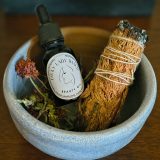 Beauty OilSeven plant oils for a soft, dewy, healthy looking face.
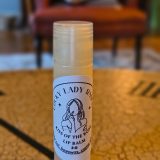 Lip BalmLip Love: our beauty oil blend with shea, cocoa butter and beeswax.
Questions people ask
Is BHA in cosmetics safe?
BHA is permitted in cosmetics and food, but IARC classifies it as possibly carcinogenic to humans based on animal studies, and California lists it under Proposition 65. Many people choose to avoid it because natural antioxidants can replace it.
Is BHT the same as BHA?
No. Both are synthetic antioxidants, but BHT has a less concerning research record and is not classified as a carcinogen. The EU now limits how much BHT can be used in cosmetics.
Is the BHA in my exfoliant the same as butylated hydroxyanisole?
No. In skin care marketing, BHA usually means beta hydroxy acid, such as salicylic acid, an exfoliant. Butylated hydroxyanisole is an unrelated antioxidant preservative.
What is a natural alternative to BHT?
Vitamin E (tocopherol) and rosemary extract are the most common natural antioxidants used to slow rancidity in oils and balms.
Why are antioxidants added to skin care?
Oils and fats break down when exposed to air, light, and heat, causing rancid smells and changes in texture. Antioxidants slow this process and help products stay fresh.
Sources and further reading
- International Agency for Research on Cancer (IARC), Monographs Volume 40: Butylated Hydroxyanisole
- US National Toxicology Program (NTP), Report on Carcinogens: Butylated Hydroxyanisole
- California Office of Environmental Health Hazard Assessment (OEHHA), Proposition 65 List: Butylated Hydroxyanisole
- Scientific Committee on Consumer Safety (SCCS), Opinion on Butylated Hydroxytoluene (BHT) (2021)
- Cosmetic Ingredient Review (CIR), Final Report on the Safety Assessment of Butylated Hydroxytoluene
- US Food and Drug Administration (FDA), Code of Federal Regulations Title 21, Food Additives Permitted: BHA and BHT
This guide is for general education and is not medical advice. If you have a skin condition, allergy, or are pregnant or nursing, talk with your doctor or a board certified dermatologist about the products that are right for you.