Clean Beauty During Pregnancy: Ingredients to Reconsider
Pregnancy is a good time to take a fresh look at your bathroom shelf. Here are the ingredients doctors most often flag, the ones that need more nuance, and simple, gentle swaps.

Key takeaways
- Retinoids are the ingredient group doctors most consistently tell pregnant patients to avoid; oral isotretinoin is known to cause serious birth defects.
- Hydroquinone is commonly avoided during pregnancy because a meaningful share is absorbed and safety data is limited.
- Many people choose mineral sunscreen during pregnancy, and daily sun protection can help with melasma, the darkening often called the mask of pregnancy.
- Reducing fragrance and phthalate exposure is a reasonable, low-effort precaution.
- Always check skin care and medication questions with your OB, midwife, or dermatologist.
Pregnancy has a way of making you read labels you never noticed before. Suddenly the face serum, the hair dye, and the sunscreen all raise a question: is this okay for the baby? The answer is reassuring for most products, but a few ingredients deserve a pause. This guide covers what doctors most commonly recommend avoiding, what requires more nuance, and how to simplify your routine without stress. It is general information, not medical advice, so please bring specific questions to your OB, midwife, or dermatologist.
Why Pregnancy Changes the Calculation
During pregnancy, some substances absorbed through skin can reach the bloodstream and, in some cases, cross the placenta. Researchers also consider pregnancy a sensitive window for hormone-active chemicals, since the developing baby relies on precise hormone signals. On top of that, pregnancy itself changes skin: many people notice more sensitivity, dryness, acne, or darkened patches. Our article on how skin absorption works explains the science of what gets through.
Very few cosmetic ingredients have been tested directly in pregnant people, for obvious ethical reasons. That means much of the guidance is precautionary: when evidence is thin and alternatives exist, doctors often suggest the gentler option.
Ingredients Doctors Commonly Recommend Avoiding
Retinoids
Retinoids are vitamin A derivatives used for acne and aging skin. Oral isotretinoin is known to cause serious birth defects and is strictly controlled for that reason. Prescription topical retinoids such as tretinoin and tazarotene are generally discouraged during pregnancy, and tazarotene is specifically labeled not for use in pregnancy. Most clinicians also suggest pausing over-the-counter retinol and retinyl palmitate products as a precaution. On labels, look for retinol, retinal, retinyl palmitate, retinyl acetate, tretinoin, adapalene, and tazarotene.
Hydroquinone
Hydroquinone lightens dark spots and is sometimes used for melasma. Studies suggest a relatively large share of applied hydroquinone can be absorbed into the body compared with many other topical ingredients, and pregnancy safety data is limited. Many doctors recommend waiting until after pregnancy and breastfeeding. Our guide to hydroquinone and skin lighteners has more detail.
Formaldehyde-based hair smoothing treatments
Some keratin and smoothing treatments release formaldehyde gas when heated, which can irritate eyes and airways. Formaldehyde is classified as a human carcinogen by the International Agency for Research on Cancer. Skipping these treatments during pregnancy is a common recommendation. Some smoothing products have been marketed as formaldehyde free while still releasing formaldehyde when heated, so the label alone is not always reliable.
Ingredients That Call for Nuance
Salicylic acid
High-dose oral salicylates and strong salicylic acid peels are generally avoided. Low-strength topical products, such as a cleanser that is rinsed off, are often considered low risk by obstetric and dermatology guidance. Ask your clinician about your specific product.
Chemical sunscreen filters
FDA studies found that several chemical UV filters, including oxybenzone, are absorbed into the bloodstream after normal use. That does not prove harm, but oxybenzone has also been studied for hormone activity. Many pregnant people choose mineral sunscreen with zinc oxide or titanium dioxide instead. Our comparison of mineral vs chemical sunscreen covers the details. Whatever you choose, keep using sun protection, which helps with melasma.
Fragrance and phthalates
Some observational studies have linked higher prenatal exposure to certain phthalates with differences in child development. The evidence is not conclusive, but phthalates can hide in fragrance, and choosing fragrance-free or fully disclosed products is an easy way to reduce exposure. Pregnancy can also heighten your sense of smell, so you may prefer fewer scents anyway.
Hair dye
Research on hair dye in pregnancy is limited, but very little dye is thought to be absorbed through the scalp, and most sources consider occasional use low risk. Many people choose to wait until after the first trimester, use a well ventilated room, and leave dye on no longer than directed. Highlights, where dye touches less of the scalp, are another option.
Essential oils
Essential oils are concentrated plant chemicals, and safety data in pregnancy is limited. Some aromatherapy references advise caution with specific oils during pregnancy. If you enjoy essential oil products, use them well diluted, stop if you notice irritation or nausea, and mention them to your provider.
Nail polish and salon visits
Traditional nail polishes have used solvents such as toluene, which is a reproductive concern at high, prolonged exposures like those some salon workers face. An occasional manicure is generally not considered a problem, but it makes sense to choose a well ventilated salon, skip acrylic application if the fumes bother you, and look for polishes made without toluene, formaldehyde, and dibutyl phthalate.
Insect repellent
Where mosquito-borne illnesses are a concern, the CDC recommends EPA-registered insect repellents and considers them safe during pregnancy when used as directed. Talk with your provider before relying on a botanical repellent in those situations.
What Is Generally Considered Fine
Most everyday basics are not a concern: plain moisturizers, plant oils and butters, gentle cleansers, lip balm, and mineral sunscreen. Many doctors also consider azelaic acid and limited benzoyl peroxide acceptable for pregnancy acne, though this is worth confirming with your own clinician.
A word on stretch marks
Stretch marks are common and largely influenced by genetics and how quickly skin stretches. No cream or oil has been proven to prevent them. That said, massaging a rich balm or oil into a growing belly can ease the dryness and itch many people feel, and it is a pleasant daily ritual.
After the baby arrives
Many of the same questions continue while breastfeeding. Retinoids and hydroquinone are usually postponed until after nursing too, and anything you apply to the chest should be easy to wash off or safe for the baby to contact. Your baby's own skin needs a different, even simpler approach, which we cover in our guide to non toxic skin care for babies and kids.
A Simple Pregnancy Routine
- Cleanse gently with a mild bar or cleanser, avoiding harsh sulfates if your skin feels tight.
- Moisturize with a simple, fragrance-light oil or balm.
- Protect from sun daily with a mineral formula, a hat, and shade.
- Pause retinoids and hydroquinone until your doctor says otherwise.
- Swap one product at a time. Our guide to building a non toxic daily routine keeps it manageable.
Gentle Options From the Ranch
At Lucky Lady Ranch, our products are made without retinoids, hydroquinone, synthetic fragrance, or phthalates. Our Body Oil and Body Balm are simple choices for softening a stretching belly, and our Mineral Sunblock uses zinc oxide. Some of our products include essential oils, so if you are being careful with scents during pregnancy, check each label and ask your provider. Pregnancy is a season for simple, calm care, and we are glad to keep it that way.
From the ranch
Made in small batches, without the ingredients discussed above.
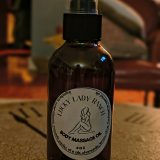 Body OilA silky blend of high quality oils for moisture and massage.
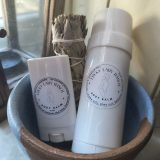 Body BalmUnrefined shea and organic beeswax for hard working skin.
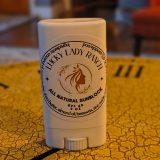 Mineral SunblockZinc oxide in a beeswax balm, without chemical UV filters.
Questions people ask
Is retinol safe during pregnancy?
Most doctors recommend avoiding retinol and other retinoids during pregnancy. Oral isotretinoin is known to cause birth defects, and topical retinoids are generally avoided as a precaution. Check with your OB or dermatologist.
Is mineral sunscreen better during pregnancy?
Many pregnant people prefer mineral sunscreen with zinc oxide or titanium dioxide because several chemical filters, such as oxybenzone, are absorbed into the bloodstream. Using sun protection every day matters most.
Can I dye my hair while pregnant?
Research is limited, but little hair dye is thought to be absorbed through the scalp, and occasional use is generally considered low risk. Many people wait until after the first trimester and dye in a well ventilated room.
Is salicylic acid safe during pregnancy?
High-dose oral salicylates and strong peels are generally avoided. Low-strength topical products are often considered low risk, but confirm with your clinician for your specific product.
Do oils prevent stretch marks?
No product has been proven to prevent stretch marks, which are largely influenced by genetics. Oils and balms can help ease the dryness and itching of stretching skin.
Sources and further reading
- American College of Obstetricians and Gynecologists (ACOG), Skin Conditions During Pregnancy
- American Academy of Dermatology (AAD), Melasma: Diagnosis and Treatment
- US Food and Drug Administration (FDA), iPLEDGE REMS for isotretinoin
- International Agency for Research on Cancer (IARC), Monographs Volume 100F, Formaldehyde
- Centers for Disease Control and Prevention (CDC), Preventing Mosquito Bites
This guide is for general education and is not medical advice. If you have a skin condition, allergy, or are pregnant or nursing, talk with your doctor or a board certified dermatologist about the products that are right for you.