PPD and Resorcinol: Chemicals in Permanent Hair Dye
Para-phenylenediamine (PPD) gives permanent hair color its staying power, and it is also one of the most common causes of allergic reactions to dye. Here is what to know before you color.

Key takeaways
- PPD is a key ingredient in most permanent dark hair dyes and a well known cause of allergic contact dermatitis.
- Resorcinol is a common dye coupler that can irritate skin and has prompted questions about thyroid effects.
- US law lets coal tar hair dyes skip some safety rules if they carry a warning and patch test instructions.
- Research on hair dye and cancer is mixed, with some studies linking frequent permanent dye use to higher breast cancer risk.
- "Black henna" temporary tattoos often contain high levels of PPD and can cause severe reactions.
Coloring your hair at home takes about thirty minutes. Reading the warning leaflet inside the box takes about two, and most people skip it. That leaflet is there for a reason. Permanent hair dyes rely on a group of reactive chemicals, and the two that come up most often are para-phenylenediamine (PPD) and resorcinol. For many people they cause no trouble at all. For some, they cause reactions ranging from an itchy scalp to severe swelling of the face.
What Are PPD and Resorcinol?
Permanent hair dye works through a chemical reaction inside the hair shaft. Small, colorless molecules called "primary intermediates" or "precursors" soak into the hair. When they are mixed with an oxidizer, usually hydrogen peroxide, they react with "couplers" to form larger colored molecules that are trapped inside the hair and do not easily wash out.
PPD (para-phenylenediamine) is one of the most widely used precursors, especially for dark brown and black shades. It has been used for more than a century because it produces natural looking, long lasting color.
Resorcinol is one of the most common couplers. It helps develop and stabilize shades, and it is also used in some acne and skin peel products.
Where They Show Up
- Permanent and demi permanent hair dyes, both box dye and salon color
- Root touch up kits
- Beard and eyebrow tints (note that the FDA has not approved any color additive for dyeing eyelashes or eyebrows)
- "Black henna" temporary tattoos, which are not true henna
- Some dark clothing dyes, printer inks and rubber products
Label Names
Look for p-Phenylenediamine, para-phenylenediamine, PPD, or 1,4-benzenediamine. Close relatives include toluene-2,5-diamine (PTD) and its sulfate, which some brands use as a "PPD free" alternative. Resorcinol may appear as resorcinol, 1,3-benzenediol or m-dihydroxybenzene.
What Research and Regulators Say
Allergy
PPD is one of the best documented skin allergens. The American Contact Dermatitis Society named it Contact Allergen of the Year in 2006. Reactions usually appear a day or two after dyeing, with itching, redness and swelling on the scalp, hairline, ears, eyelids and neck. Severe cases can involve significant facial swelling and require urgent medical care. Allergy can develop after years of reaction free use, which is why the patch test is recommended before every application, not only the first.
PTD based dyes cause fewer new allergies in some people, but many who are allergic to PPD will also react to PTD. Switching should be discussed with a dermatologist.
Black Henna
The FDA has warned that "black henna" temporary tattoos often contain PPD, sometimes at very high concentrations, because it darkens the stain and speeds drying. PPD is not approved for direct application to skin in the US. These tattoos have caused blistering, lasting scars and sensitization, especially in children on vacation. A reaction can also make someone allergic to hair dye for life.
Shade matters, too. Darker shades generally rely on higher concentrations of PPD than lighter ones, which is one reason dermatologists sometimes suggest that people with mild sensitivity try lighter tones, highlights or lowlights that are applied away from the scalp. Keeping dye off the skin, rather than changing brands, is often the most effective way to reduce exposure for people who are not truly allergic.
Resorcinol
Resorcinol can irritate skin and eyes and occasionally causes allergic reactions. At high doses, it has been shown to affect thyroid function, which is why it is sometimes discussed as a possible endocrine disruptor. The European Union limits resorcinol in hair dye and requires warning labels. Exposure from occasional hair dyeing is far lower than the levels where thyroid effects have been documented.
Cancer Questions
The question of hair dye and cancer has been studied for decades with mixed results. The International Agency for Research on Cancer (IARC) classifies occupational exposure as a hairdresser or barber as "probably carcinogenic," but considers personal use of hair dye "not classifiable" as to whether it causes cancer. Modern dyes differ from older formulas, some of which contained ingredients later removed.
Some newer research has added questions. A 2019 analysis from the NIH's Sister Study, which followed more than 46,000 women, found that women who used permanent hair dye had a higher risk of breast cancer than those who did not, with a notably stronger association among Black women. Researchers emphasized that the study shows an association, not cause and effect, and called for more research. The National Cancer Institute (NCI) summarizes the overall evidence as inconsistent.
A Unique US Loophole
Under the Federal Food, Drug, and Cosmetic Act, "coal tar" hair dyes, a category that includes PPD based dyes, can be sold even if they contain ingredients that irritate skin, as long as the label carries a specific caution statement and instructions for a preliminary patch test. That is why every box contains that warning. Our article on synthetic dyes and coal tar colors covers related history.
Who Should Be Most Careful
- Anyone who has reacted to a dye or black henna tattoo before, even mildly. Repeat reactions can be more severe.
- Hairdressers, who handle dyes many times a day and have higher rates of hand dermatitis.
- People with sensitive skin or eczema on the scalp. See sensitive skin irritants.
- People who are pregnant, who may choose to wait or opt for less frequent coloring. Our guide to clean beauty during pregnancy has more.
- Teens, who are often first exposed through black henna or early experiments with dye.
How to Color More Safely
- Patch test every time, 48 hours before coloring, following the package instructions.
- Wear gloves, follow timing exactly, and rinse thoroughly.
- Color less often. Root touch ups and highlights that do not touch the scalp reduce skin contact.
- Consider semi permanent or plant based options such as pure henna (Lawsonia inermis) or indigo. Be sure any henna is pure and free of added PPD or metallic salts.
- Never get a black henna tattoo. Real henna is reddish brown, not black.
- Talk with a dermatologist if you have reacted before. Patch testing can identify which chemicals to avoid.
Care for Hair That Has Been Colored
At Lucky Lady Ranch, we do not make hair dye, and we are not going to tell you never to color your hair. Many people love their color, and that is a personal choice. What we can do is help keep the hair and scalp underneath comfortable. Dyed hair often becomes drier, and harsh sulfate shampoos can strip it further. Our Shampoo and Conditioner Bar cleanses with saponified oils including argan and black seed oil, and a few drops of our Hair Oil on the ends can help hair look smoother and shinier. Our article on argan oil for hair and skin explains why it is such a favorite for color treated hair.
From the ranch
Made in small batches, without the ingredients discussed above.
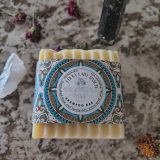 Shampoo and Conditioner BarPlastic free hair care with argan, castor and black seed oil.
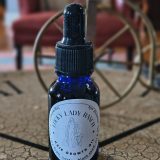 Hair OilSacha inchi, black seed, rice bran, argan and castor for hair and scalp.
Questions people ask
What are the symptoms of a PPD allergy?
Symptoms usually start one to two days after dyeing and include itching, redness and swelling on the scalp, hairline, ears, eyelids and neck. Severe reactions can cause significant facial swelling and need prompt medical attention.
Is there PPD free hair dye?
Yes. Some dyes use toluene-2,5-diamine (PTD) instead, but many people allergic to PPD also react to PTD. Pure henna and indigo are plant based options. A dermatologist can help you find a safe choice if you are allergic.
Does hair dye cause cancer?
The evidence is mixed. IARC considers personal hair dye use not classifiable as a carcinogen. Some studies, including the NIH Sister Study, have found associations between permanent dye use and breast cancer, but they do not prove cause and effect.
Why are black henna tattoos dangerous?
Black henna often contains high levels of PPD, which is not approved for direct skin application in the US. It can cause blistering, scarring and lifelong sensitivity to hair dye. Real henna is reddish brown.
Do I need to do a patch test every time I dye my hair?
Yes, manufacturers and dermatologists recommend it. An allergy to PPD can develop after years of problem free use, so a 48 hour patch test before each application is the safest habit.
Sources and further reading
- US Food and Drug Administration (FDA), Hair Dyes
- US Food and Drug Administration (FDA), Temporary Tattoos, Henna/Mehndi, and Black Henna: Fact Sheet
- National Cancer Institute (NCI), Hair Dyes and Cancer Risk
- Eberle et al., Hair Dye and Chemical Straightener Use and Breast Cancer Risk in a Large US Population of Black and White Women, International Journal of Cancer
- American Contact Dermatitis Society, Contact Allergen of the Year: p-Phenylenediamine (2006)
- International Agency for Research on Cancer (IARC), Monographs Volume 99: Some Aromatic Amines, Organic Dyes, and Related Exposures
This guide is for general education and is not medical advice. If you have a skin condition, allergy, or are pregnant or nursing, talk with your doctor or a board certified dermatologist about the products that are right for you.