Argan Oil for Hair and Skin
Argan oil is a Moroccan treasure that softens skin and adds shine to hair. Here is how to use it, and why so many argan hair serums are mostly silicone.

Key takeaways
- Argan oil is pressed from the kernels of the argan tree, which grows naturally in southwestern Morocco.
- It is rich in oleic and linoleic acids and natural vitamin E, and it softens skin and adds shine to hair.
- Cosmetic argan oil is pressed from raw kernels; culinary argan oil is made from roasted kernels.
- Many popular argan hair serums list cyclic silicones first and argan oil near the end.
- Pure argan oil is a simple alternative for shine and softness without silicone buildup.
Argan oil became a beauty star in the early 2000s, and its name now appears on everything from shampoo to hair dryers. Behind the marketing is a genuinely special oil with a long history in Morocco. Behind some of the bottles, though, is very little argan at all. Here is what argan oil is, what it does for hair and skin, and how to tell real argan oil from a silicone serum wearing its name.
What is argan oil?
Argan oil comes from the kernels inside the fruit of the argan tree, Argania spinosa. This thorny, drought tolerant tree grows naturally in southwestern Morocco, where its deep roots help hold dry soil in place. The region's argan forests are protected as a UNESCO Biosphere Reserve, and the traditional knowledge and practices surrounding the argan tree were added to UNESCO's list of Intangible Cultural Heritage.
Producing argan oil is slow work. The fruit is dried, the pulp is removed, and the very hard nut is cracked, traditionally by hand with stones, to free one to three small kernels. Much of this work is done by Amazigh (Berber) women, and many cooperatives today are run by women, providing an important source of income in rural communities.
Cosmetic vs culinary argan oil
- Cosmetic argan oil is pressed from raw, unroasted kernels. It is pale gold with a light, slightly nutty scent.
- Culinary argan oil is pressed from roasted kernels. It is darker, with a toasty aroma, and is used in Moroccan cooking, including the dip amlou.
On labels, cosmetic argan oil is listed as Argania Spinosa Kernel Oil.
What is in argan oil
Argan oil is mostly made up of two fatty acids: oleic acid, which gives it a soft, nourishing feel, and linoleic acid, an essential fatty acid that is part of the skin's natural barrier lipids. It also contains natural tocopherols (vitamin E), with gamma tocopherol as a major form, and plant sterols that are relatively unusual among common oils.
That balance makes argan a middle weight oil: richer than very light oils like prickly pear seed oil, but lighter than thick oils like castor oil.
What argan oil does for hair
Hair is not alive, so oils do not feed it the way food feeds the body. What they do is coat and lubricate the outside of the hair shaft. On hair, argan oil can:
- Add shine by smoothing the surface so it reflects light more evenly.
- Help tame the look of frizz and flyaways, especially in dry or curly hair.
- Soften dry, rough ends and make hair easier to comb.
- Reduce the feeling of dryness after washing, especially for color treated or heat styled hair.
There is no good evidence that argan oil makes hair grow, and claims like that should be viewed with skepticism. Its value is in how hair looks and feels.
Argan is one of the oils in our Shampoo and Conditioner Bar and our Hair Oil, where it is blended with castor, black seed, sacha inchi, and rice bran oils.
What argan oil does for skin
On skin, argan oil is a gentle emollient. It softens dry areas, helps reduce water loss from the surface, and absorbs reasonably well. A small clinical study in postmenopausal women reported improved skin elasticity with argan oil use, though small studies like this need confirmation. The dependable benefit is moisture and comfort, especially for dry hands, elbows, cuticles, and faces that do well with oil.
A gentler alternative to silicone hair serums
Pick up a typical "argan oil" hair serum and read the ingredient list. Very often the first ingredients are Cyclopentasiloxane and Dimethiconol or Dimethicone, with argan oil listed much further down. Since ingredients are listed roughly in order of concentration, that means the product is mostly silicone with a small amount of argan.
Silicones make hair feel very slippery and look glossy right away. The lighter cyclic silicones, such as cyclopentasiloxane (often called D5), evaporate and leave the heavier silicones behind as a coating. Some people find that heavier silicones build up over time, leaving hair limp or making it harder for water and conditioners to reach the strand, especially if they avoid harsh shampoos.
The bigger concern with cyclic silicones like D4, D5, and D6 is environmental. They are persistent and can build up in the environment, and D4 is classified in the EU as a suspected reproductive toxicant. The European Union restricted D4 and D5 in rinse off products starting in 2020 and has since adopted wider restrictions that reach leave on products. Regulators generally consider the direct risk to people using these products to be low; the debate is mainly about what happens after they wash down the drain. Our article on cyclic silicones D4, D5 and D6 covers it in depth.
Pure argan oil does a similar job in a simpler way: a few drops smooth frizz and add shine, wash out with normal cleansing, and come from a tree rather than a lab. The tradeoff is that it can feel a bit oilier than silicone if you use too much, so less really is more.
How to use argan oil
On hair
- As a finishing oil: rub one or two drops between your palms and smooth over dry hair, focusing on the ends.
- As a pre wash treatment: work a little more through dry lengths 20 to 30 minutes before washing, then shampoo as usual.
- On damp hair: apply a drop or two before air drying to help reduce the look of frizz.
Fine hair needs only the tiniest amount. Thick, curly, and coily hair can usually take more. For a whole routine built around gentle products, see our guide to non toxic hair care.
On skin
Press two or three drops onto damp skin after cleansing, or massage a drop into cuticles and dry knuckles.
Who should be careful
- Nut allergies. Argan comes from a nut kernel. Allergic reactions, including contact dermatitis, have been reported, though they appear uncommon. If you have a tree nut allergy, check with your allergist first.
- Acne prone skin. Test on a small area before using it widely on the face.
- Scalp conditions. If you have a flaky or irritated scalp, talk with a dermatologist before adding oils, since some scalp conditions can be aggravated by oil.
As always, patch testing any new product on the inner arm for a day or two is a sensible habit. Our guide to sensitive skin irritants can help.
Quality tips
- Read the ingredient list. For pure argan oil, the only ingredient should be Argania Spinosa Kernel Oil. If silicones come first, it is a silicone serum.
- Smell it. Cosmetic argan oil should smell faintly nutty or almost neutral. A strong roasted smell means culinary oil, and a sharp, sour smell means it has gone rancid.
- Look for cold pressed oil in dark glass.
- Consider the source. Oil from women's cooperatives supports the communities that have cared for argan forests for generations.
- Be wary of very cheap "pure" argan oil. Real argan oil is labor intensive, and cheap bottles may be blended with other oils.
The real thing, simply
Argan oil earned its reputation honestly, long before it became a buzzword. Used on its own or in a short list of good oils, it gives hair softness and shine and gives skin gentle moisture. At Lucky Lady Ranch, we use the real oil rather than a silicone stand in, because leaving out what you do not need is part of caring for your hair and the water it washes into. For more on label reading, see how to read a cosmetic ingredient label.
From the ranch
Made in small batches, without the ingredients discussed above.
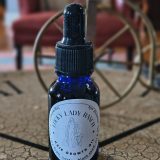 Hair OilSacha inchi, black seed, rice bran, argan and castor for hair and scalp.
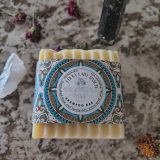 Shampoo and Conditioner BarPlastic free hair care with argan, castor and black seed oil.
Questions people ask
Is argan oil good for frizzy hair?
Yes, for many people. A drop or two smoothed over dry or damp hair can help tame the look of frizz and add shine. Use a very small amount on fine hair to avoid a greasy look.
Why does my argan oil serum list silicone first?
Many argan hair serums are mostly silicones like cyclopentasiloxane and dimethicone, with a small amount of argan oil. Ingredients are listed roughly from highest to lowest amount, so the first ingredients make up most of the product.
Can argan oil make hair grow?
There is no good evidence that argan oil makes hair grow. It improves how hair looks and feels by smoothing and softening the strand. If you are concerned about hair loss, see a dermatologist.
What is the difference between cosmetic and culinary argan oil?
Cosmetic argan oil is pressed from raw kernels and has a light scent. Culinary argan oil is pressed from roasted kernels, giving it a darker color and toasty flavor for cooking.
Can I use argan oil on my face?
Many people do. It is a medium weight oil that softens dry skin. If you are prone to breakouts, test it on a small area first and use only a few drops.
Sources and further reading
- UNESCO, Argan, practices and know-how concerning the argan tree (Intangible Cultural Heritage list, 2014)
- UNESCO World Network of Biosphere Reserves, Arganeraie Biosphere Reserve, Morocco
- Boucetta KQ, Charrouf Z, Aguenaou H, et al. The effect of dietary and/or cosmetic argan oil on postmenopausal skin elasticity. Clinical Interventions in Aging, 2015
- European Commission, Commission Regulation (EU) 2018/35 restricting D4 and D5 in wash-off cosmetic products
- European Chemicals Agency (ECHA), Restriction on D4, D5 and D6 siloxanes
This guide is for general education and is not medical advice. If you have a skin condition, allergy, or are pregnant or nursing, talk with your doctor or a board certified dermatologist about the products that are right for you.