Chemical Hair Relaxers and Straighteners: What Research Shows
NIH research has linked frequent use of chemical hair straighteners to higher uterine cancer risk. Here is what the science says, what these products contain, and gentler paths.

Key takeaways
- Relaxers break and reform the bonds inside hair using strong alkaline chemicals, which can burn the scalp.
- A 2022 NIH Sister Study analysis linked frequent straightener use to a higher risk of uterine cancer.
- Some keratin smoothing treatments release formaldehyde, a known carcinogen, even when labeled formaldehyde free.
- Black women use these products most and have been most affected, which has drawn attention to research gaps.
- Protective styles, heat styling with care, and gentle cleansing are lower chemical ways to manage texture.
For generations, chemical relaxers and straighteners have been part of many people's hair routines, especially for Black women, for whom straight hair has long been tied to workplace and social expectations. In recent years, research from the National Institutes of Health has prompted serious questions about the long term safety of these products. This article lays out what the studies found and what they did not, what is actually inside these products, and what options exist for those who want to step back from them.
What Are Chemical Relaxers and Straighteners?
Hair gets its shape from chemical bonds inside each strand, particularly disulfide bonds. To permanently straighten curly or coily hair, those bonds have to be broken and reset. Several product types do this in different ways:
- Lye relaxers use sodium hydroxide, a strong alkali. They work quickly but can burn the scalp if left on too long.
- No lye relaxers usually use guanidine hydroxide, made by mixing calcium hydroxide with guanidine carbonate. They are often gentler on the scalp but can be more drying to hair.
- Thio relaxers and perms use ammonium thioglycolate to break bonds, then a neutralizer to reform them.
- Keratin and "Brazilian" smoothing treatments coat the hair and are sealed with a flat iron. Many rely on formaldehyde or chemicals that release it, while newer versions may use glyoxylic acid.
What Else Is in These Products
Beyond the active chemicals, relaxer kits and smoothing treatments often contain fragrance, preservatives and conditioning agents. A 2018 study published in Environmental Research tested hair products commonly used by Black women and found that many contained multiple chemicals associated with hormone disruption or asthma, including parabens, phthalates and cyclic silicones, and that many were not listed on the label. Because fragrance blends can hide components, our article on the fragrance loophole is useful background. Researchers have suggested that this mix of ingredients, plus frequent use on a scalp that may be damaged by burns, could contribute to the associations they have observed.
What Research and Regulators Say
The Sister Study
The Sister Study, run by the National Institute of Environmental Health Sciences (NIEHS), has followed more than 50,000 women in the US whose sisters were diagnosed with breast cancer. In 2022, researchers reported that women who said they had used hair straightening products more than four times in the previous year had more than twice the risk of developing uterine cancer compared with women who never used them. The researchers estimated that about 1.6 percent of women who never used straighteners would develop uterine cancer by age 70, compared with about 4 percent of frequent users.
Earlier analyses from the same study reported associations between straightener use and breast and ovarian cancer. It is important to read these findings carefully. They show associations in an observational study, not proof that straighteners cause cancer, and the absolute risk of uterine cancer remains relatively low. But the findings were consistent enough that the researchers and many doctors have called for caution and more study.
Who Has Been Most Affected
In the 2022 analysis, about 60 percent of the participants who reported using straighteners in the previous year identified as Black women. Uterine cancer rates, and deaths from it, have been climbing in the US, with notably higher mortality among Black women. Researchers have pointed out that the use of these products is one factor worth investigating among many.
Formaldehyde in Smoothing Treatments
In 2011, the Occupational Safety and Health Administration (OSHA) issued a hazard alert after finding that some keratin smoothing products released formaldehyde into salon air at levels of concern, including some labeled "formaldehyde free." When heated with a flat iron, ingredients such as methylene glycol release formaldehyde gas. Formaldehyde is classified as a known human carcinogen by the International Agency for Research on Cancer (IARC) and causes eye, nose and throat irritation. Our guide to formaldehyde releasers covers related ingredients.
The US Food and Drug Administration (FDA) announced plans to propose a ban on formaldehyde and formaldehyde releasing chemicals in hair smoothing and straightening products. As of this writing, that rule has not been finalized, so check the FDA's current updates.
Glyoxylic Acid
As formaldehyde fell out of favor, some smoothing products switched to glyoxylic acid. Doctors in Israel and France have since published case reports of acute kidney injury in people shortly after salon straightening treatments containing glyoxylic acid. These are individual cases, not population studies, but they are a reminder that "formaldehyde free" is not the same as risk free.
Who Should Be Most Careful
- Frequent users of relaxers or straighteners, particularly those who relax every few weeks.
- People with a family history of uterine, ovarian or breast cancer, who may want to talk with a doctor about their personal risk.
- Salon workers, who handle these products and breathe their fumes daily.
- Children and teens. Many families relax hair from a young age; see non toxic care for kids.
- Anyone who has had scalp burns, since broken skin may absorb more.
How to Reduce Exposure
- Stretch the time between touch ups. The 2022 findings centered on frequent use.
- Protect the scalp. Base the scalp with a protective layer before any chemical service and never relax over broken or irritated skin.
- Ask salons about smoothing ingredients and ventilation, and skip treatments that produce strong fumes or eye irritation.
- Consider transitioning. Many people grow out relaxed hair gradually with protective styles such as braids, twists and wigs, trimming relaxed ends over time.
- Use heat with care. Silk presses with heat protectant can straighten temporarily without chemicals, though too much heat can damage hair.
If you are worried about past use, talk with your doctor. Report symptoms such as abnormal bleeding promptly, regardless of hair product history.
Caring for Natural Texture
If you decide to transition, be patient with the point where your natural texture meets the relaxed ends, often called the line of demarcation. Hair is especially fragile there and can break with rough brushing or tight styles. Detangling gently with your fingers or a wide tooth comb while hair is damp and conditioned, keeping tension low on edges, and trimming a little at a time can make the process easier. Many people find that a stylist experienced with natural hair is a valuable partner during this stage.
At Lucky Lady Ranch, we believe hair does not need to be chemically reshaped to be beautiful. If you are transitioning or simply want a gentler routine, simple products can help your hair feel soft and manageable. Our Shampoo and Conditioner Bar cleanses without harsh sulfates, our Hair Pomade with shea, hemp seed and avocado oils helps define and smooth edges and twists, and our Hair Oil nourishes the scalp and lengths. Our guide to non toxic hair care and our article on castor oil for hair have more ideas for a calm, low chemical routine.
From the ranch
Made in small batches, without the ingredients discussed above.
 Shampoo and Conditioner BarPlastic free hair care with argan, castor and black seed oil.
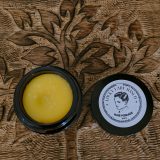 Hair PomadeA soft hold pomade made from shea, hemp seed and avocado oils.
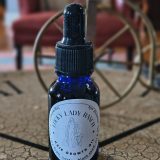 Hair OilSacha inchi, black seed, rice bran, argan and castor for hair and scalp.
Questions people ask
Do hair relaxers cause uterine cancer?
A 2022 NIH Sister Study analysis found that frequent use of hair straighteners was associated with more than double the risk of uterine cancer. This shows an association, not proof of cause, but it has led many experts to recommend caution.
Is a Brazilian blowout or keratin treatment safe?
Many keratin smoothing treatments release formaldehyde when heated, and OSHA has warned salons about exposure, including from some products labeled formaldehyde free. Formaldehyde is a known carcinogen and irritant, so caution is wise.
What is the difference between lye and no lye relaxers?
Lye relaxers use sodium hydroxide and work quickly but can burn the scalp. No lye relaxers usually use guanidine hydroxide, which is often gentler on the scalp but can leave hair drier. Both chemically and permanently alter the hair.
How can I straighten my hair without chemicals?
Heat styling such as a silk press can straighten hair temporarily without chemicals, though it should be done with care and a heat protectant. Braids, twists, wigs and other protective styles are also options while transitioning.
Sources and further reading
- Chang et al., Use of Straighteners and Other Hair Products and Incident Uterine Cancer, Journal of the National Cancer Institute (2022)
- National Institute of Environmental Health Sciences (NIEHS), Hair Straightening Chemicals Associated With Higher Uterine Cancer Risk
- Occupational Safety and Health Administration (OSHA), Hazard Alert: Hair Smoothing Products That Could Release Formaldehyde
- Helm et al., Measurement of Endocrine Disrupting and Asthma Associated Chemicals in Hair Products Used by Black Women, Environmental Research (2018)
- US Food and Drug Administration (FDA), Hair Smoothing Products That Release Formaldehyde When Heated
This guide is for general education and is not medical advice. If you have a skin condition, allergy, or are pregnant or nursing, talk with your doctor or a board certified dermatologist about the products that are right for you.