Synthetic Musks: Galaxolide, Tonalide and Bioaccumulation
Synthetic musks give perfume, lotion and laundry soap a lingering clean scent. Some are persistent enough to build up in people and wildlife. Here is what is known.

Key takeaways
- Synthetic musks are lab made scent molecules that replaced musk from animals, and they hide under "fragrance" on labels.
- Polycyclic musks like galaxolide and tonalide break down slowly and have been found in human blood, fat and breast milk.
- Some older nitro musks have been banned in the EU, and others carry concentration limits.
- Lab studies suggest some musks may weakly interact with hormone systems, but human health effects are not established.
- Laundry products and air fresheners are major sources, so fragrance free choices there make a big difference.
Think of the scent of freshly washed laundry, or the soft, warm base note that lingers on a sweater hours after you put on perfume. Very often, that is a synthetic musk. These molecules are some of the most widely used fragrance ingredients in the world, prized because they last. That same staying power is what makes some of them a concern. Certain synthetic musks resist breaking down, accumulate in fatty tissue, and have been detected in people and wildlife around the globe.
What Are Synthetic Musks?
Musk originally came from a gland of the male musk deer. Harvesting it was costly and harmful to the animals, so in the late 1800s chemists began creating musk scented compounds in the lab. Today almost all musk in consumer products is synthetic. The main families are:
- Nitro musks, the oldest group, including musk ambrette, musk xylene, musk ketone, musk moskene and musk tibetene.
- Polycyclic musks, introduced in the mid 20th century, including galaxolide (HHCB) and tonalide (AHTN), along with celestolide and phantolide. These are the most common today.
- Macrocyclic and alicyclic musks, newer compounds that are generally thought to be more biodegradable, though they have been studied less.
Where Synthetic Musks Show Up
- Perfumes, colognes and body sprays
- Scented lotions, body washes and shampoos
- Deodorants and aftershaves
- Laundry detergents, fabric softeners and dryer sheets
- Air fresheners, candles and household cleaners
On a label, you will almost never see a musk by name. Fragrance ingredients are usually grouped under "fragrance" or "parfum," which can contain dozens of undisclosed chemicals. Our articles on synthetic fragrance and the fragrance loophole explain why. Some brands now publish full fragrance disclosures online, which is the only reliable way to know if galaxolide or tonalide is present.
What Research and Regulators Say
Persistence and Bioaccumulation
Polycyclic musks are fat loving and slow to degrade. After they wash down drains, wastewater treatment removes only part of them, and the rest reaches rivers, lakes and coastal waters. Researchers have measured galaxolide and tonalide in surface water, sediment and fish in many countries. In people, these musks have been detected in blood, fat tissue and breast milk, and studies have linked higher levels to frequent use of scented products. Detection does not on its own mean harm, but it does show that daily use leads to steady, widespread exposure.
Hormone Activity
Laboratory studies using cells have found that some polycyclic musks can weakly interact with estrogen, androgen and progesterone receptors, in some cases blocking rather than mimicking hormones. These effects are generally weak and seen at concentrations higher than typical human exposure. There is not good evidence at this point that synthetic musks cause hormone related health problems in people, and more research is needed. Our article on endocrine disruptors explained describes how researchers think about this kind of evidence.
Nitro Musks: The Earliest Concerns
Nitro musks drew the first regulatory action. Musk ambrette was linked to skin reactions triggered by sunlight and to nervous system effects in animal studies. The European Union banned musk ambrette, musk moskene and musk tibetene in cosmetics, and the fragrance industry's own standards body, IFRA, has prohibited several nitro musks. Musk xylene was identified under the EU's REACH chemicals law as very persistent and very bioaccumulative, and it can no longer be used in the EU without specific authorization. Musk ketone remains allowed in the EU within concentration limits.
Polycyclic Musks Today
Galaxolide and tonalide remain legal in the US and EU. The EU has set maximum concentrations for tonalide in different product types, based on safety assessments by its scientific committee, and the use of polycyclic musks has declined somewhat from its peak as manufacturers have moved toward newer musks. Environmental agencies in several countries continue to monitor them as emerging contaminants.
Interaction With Other Chemicals
Some research in aquatic organisms suggests that polycyclic musks may interfere with cellular "pumps" that help cells expel toxins, which could make organisms more vulnerable to other pollutants. This has been studied mainly in marine animals, and its relevance to people is unknown.
Why Musks Last So Long
Musks are relatively large, heavy molecules that evaporate slowly. In perfumery they serve as base notes, the part of a scent that remains after lighter citrus and floral notes fade. That slow evaporation is also why musks cling to skin, hair and fabric through several washes. Interestingly, a fair number of people cannot smell certain musks at all, a quirk known as specific anosmia. Perfumers often blend several musks so that everyone notices something. It also means you may be wearing, and washing with, musks you cannot detect.
Who Should Be Most Careful
- Heavy fragrance users, who layer perfume, scented lotion, scented hair care and scented laundry products.
- People who are pregnant or breastfeeding, since musks have been found in breast milk. See clean beauty during pregnancy.
- People with fragrance sensitivity or allergies, who often do best with fragrance free routines. Our guide to sensitive skin irritants covers this.
- Families with babies, whose clothes and bedding stay in contact with their skin all day.
How to Cut Back on Synthetic Musks
- Start with laundry. Detergents, fabric softeners and dryer sheets leave musks on fabric that stays against your skin for hours. Fragrance free versions are an easy, high impact switch.
- Skip air fresheners and plug ins. Opening windows and simple cleaning remove odors instead of masking them.
- Choose products with disclosed fragrance or those scented only with named essential oils.
- Layer less. If you love a perfume, enjoy it, and choose unscented versions of everything else.
- Watch "unscented" labels. Some unscented products include a masking fragrance. "Fragrance free" is usually the clearer claim.
You do not need to replace everything at once. Changing the products used most often, or in the largest amounts, will usually lower exposure more than switching a single perfume you wear on special occasions.
Synthetic musks often travel alongside other fragrance chemicals such as phthalates, which have historically been used to help scents last. Choosing fewer and simpler scented products tends to reduce several of these at once.
Scent From Plants, Named on the Label
At Lucky Lady Ranch, we scent our products with essential oils and list them by name. Our Man Bar gets its woodsy, fresh character from tea tree, cedarwood and bergamot mint, not a musk accord, and our Body Oil keeps scent soft and simple. Essential oils are not automatically gentle, and some can irritate sensitive skin, so we encourage everyone to read our guide to essential oil safety and dilution. What we can promise is that you will know exactly what you are smelling, and that it comes from a plant you can name, not a molecule designed to linger for years.
From the ranch
Made in small batches, without the ingredients discussed above.
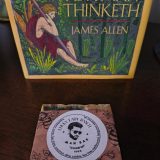 Man BarTea tree, cedarwood and bergamot mint in a clean, rugged bar.
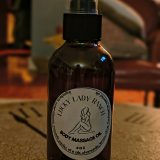 Body OilA silky blend of high quality oils for moisture and massage.
Questions people ask
What is galaxolide?
Galaxolide, also called HHCB, is one of the most widely used synthetic polycyclic musks. It gives perfumes, lotions and laundry products a lasting clean scent. It breaks down slowly and has been detected in water, wildlife and human tissues.
Are synthetic musks harmful?
Some older nitro musks have been banned in the EU over safety and persistence concerns. Polycyclic musks like galaxolide and tonalide are still legal. Lab studies suggest weak hormone activity, but harmful effects in people have not been established.
How do I know if a product contains synthetic musk?
Usually you cannot tell from the label, because musks are included under "fragrance" or "parfum." Some brands publish full fragrance ingredient lists online. Fragrance free products and those scented only with named essential oils avoid synthetic musks.
Is there synthetic musk in laundry detergent?
Many scented laundry detergents, fabric softeners and dryer sheets contain synthetic musks, and the scent is designed to stay on fabric. Switching to fragrance free laundry products is one of the simplest ways to reduce exposure.
Sources and further reading
- European Commission, Cosmetics Regulation (EC) No 1223/2009, Annex II and Annex III
- European Chemicals Agency (ECHA), Musk Xylene: Substance of Very High Concern and Authorization List Entry
- European Commission Scientific Committee on Consumer Products (SCCP), Opinion on AHTN (Tonalide)
- International Fragrance Association (IFRA), IFRA Standards
- National Institute of Environmental Health Sciences (NIEHS), Endocrine Disruptors
This guide is for general education and is not medical advice. If you have a skin condition, allergy, or are pregnant or nursing, talk with your doctor or a board certified dermatologist about the products that are right for you.