Hydroquinone and Skin Lighteners: Risks and Gentler Options
Hydroquinone fades dark spots by slowing pigment production, but it is no longer sold over the counter in the US. Here is why, and what gentler routes exist.

Key takeaways
- Hydroquinone lightens skin by slowing melanin production and has been used for decades to fade dark patches.
- Since 2020, hydroquinone products can no longer be sold over the counter in the US, and the EU bans it in cosmetics.
- Long term use can cause irritation and, rarely, a blue black darkening called exogenous ochronosis.
- Unregulated imported lightening creams may contain undeclared hydroquinone, steroids or even mercury.
- Daily sun protection is the foundation of any plan to even out skin tone, ideally guided by a dermatologist.
Dark spots, melasma and post acne marks can affect how people feel about their skin, and the search for a fix has a long history. For decades, the go to ingredient was hydroquinone, a strong pigment fading chemical once sold on drugstore shelves. Today it sits behind the pharmacy counter in the US and is banned from cosmetics in Europe. Understanding why can help you make careful choices about any product that claims to deliver a brighter or more even complexion.
What Is Hydroquinone?
Hydroquinone is an organic compound that interferes with tyrosinase, an enzyme skin cells use to make melanin. With less melanin being produced, dark areas gradually lighten. It has been used to treat hyperpigmentation conditions such as melasma, sun spots and post inflammatory hyperpigmentation, which is the darkening that can linger after acne, eczema or injury.
It works, and that is part of the issue. Hydroquinone is a drug that changes how skin functions, not a cosmetic that simply sits on the surface. Used at the wrong strength, for too long, or without sun protection, it can cause problems of its own.
Where Hydroquinone Shows Up
In the US, legitimate hydroquinone products are now prescription creams and gels, often at 4 percent, sometimes combined with a retinoid and a mild steroid. Outside that channel, hydroquinone can turn up in:
- Imported "fade," "brightening" or "whitening" creams sold online or in small shops
- Older over the counter dark spot correctors that may still be in medicine cabinets
- Products that list it under alternate names such as 1,4-dihydroxybenzene, benzene-1,4-diol or quinol
Some unregulated lightening products do not list hydroquinone at all, even when testing shows it is there. That is one of the strongest reasons to be cautious about buying skin lighteners from sources you cannot verify.
What Research and Regulators Say
Regulatory Status
For years, the US Food and Drug Administration (FDA) allowed over the counter skin bleaching products with up to 2 percent hydroquinone. That changed with the 2020 CARES Act, which reformed how over the counter drugs are regulated. As a result, hydroquinone products can no longer be legally sold without a prescription in the US, and the FDA has since issued warning letters to companies that kept selling them. The European Union has banned hydroquinone in cosmetics for many years, with a narrow exception for professional artificial nail systems, a gap our article on US vs EU cosmetic rules explores more broadly.
Known Side Effects
The FDA has noted reports of skin irritation, rashes, facial swelling and unwanted skin discoloration from hydroquinone products. The most distinctive long term risk is exogenous ochronosis, a blue black or gray brown darkening of the skin that can occur after prolonged use, especially at higher concentrations. It is uncommon, but it is difficult to reverse, and it has been reported more often in people with darker skin tones who used lightening products for years.
Cancer Questions
Some animal studies have prompted concerns about hydroquinone and cancer, but the evidence in humans who use it on skin has not established that link. The International Agency for Research on Cancer (IARC) considers hydroquinone not classifiable as to its carcinogenicity in humans. Dermatologists who prescribe it generally do so for limited periods with monitoring, which reflects a balance between benefit and uncertainty.
The Mercury Problem
A separate and more serious hazard lies in unregulated lightening creams. The FDA and health agencies in several countries have repeatedly found imported skin lighteners containing mercury, sometimes at very high levels, which can damage the kidneys and nervous system and expose everyone in a household. We cover this in depth in our article on lead, mercury and heavy metals in cosmetics. Some of these products also contain undeclared potent steroids, which can thin the skin with long term use.
Why Irritation Can Backfire
One of the frustrating things about pigment is that the skin's response to irritation is often more pigment. Inflammation from harsh scrubs, strong acids or a product that stings can prompt melanocytes, the pigment producing cells, to work harder. This is called post inflammatory hyperpigmentation, and it is more common and longer lasting in medium and deep skin tones. It means that an aggressive approach to fading spots can leave you with new ones, which is part of why dermatologists usually recommend steady, gentle routines over intense ones. It also explains why stopping hydroquinone abruptly after heavy use, without sun protection, can lead to a rebound of the very discoloration it was meant to treat.
Who Should Be Most Careful
- Anyone buying lighteners online or abroad, where hydroquinone strength and contaminants are unknown.
- People with darker skin tones, who have higher rates of ochronosis reports and are also more prone to rebound hyperpigmentation from irritation.
- People who are pregnant or breastfeeding, who are generally told to avoid hydroquinone. Our guide to clean beauty during pregnancy lists other ingredients worth reconsidering.
- People with sensitive skin or eczema, who may react to the irritation. See common irritants for sensitive skin.
How to Spot and Avoid It
- Treat "whitening" and "bleaching" claims as a red flag on any product without a clear ingredient list and a traceable maker.
- Check for alternate names like quinol or 1,4-dihydroxybenzene.
- Look for "mercurous chloride," "calomel," "mercurio" or "mercury" on imported creams, and stop using any product that lists them.
- If a dermatologist prescribes hydroquinone, follow their directions on duration and pair it with sun protection.
Gentler Options for Uneven Tone
There is no overnight fix for hyperpigmentation, and anything that claims one deserves skepticism. What dermatologists consistently emphasize is that sun exposure drives most dark spots and melasma, so daily protection comes first. A mineral sunscreen based on zinc oxide sits on the skin and reflects and absorbs UV light; our comparison of mineral vs chemical sunscreen explains the difference. Hats and shade help as well.
Beyond sun care, a dermatologist may suggest ingredients with a gentler track record, such as azelaic acid, niacinamide, vitamin C, licorice root extract or tranexamic acid, depending on your skin and the cause of the discoloration. Avoiding picking, scrubbing and harsh products also matters, since irritation can trigger more pigment, particularly in deeper skin tones.
Patience Over Bleach
At Lucky Lady Ranch, we do not make skin lighteners, and we will not tell you a soap or oil will erase dark spots. What we can offer is a calm, low irritation routine that supports your skin while you work with a professional. Our Mineral Sunblock uses zinc oxide in a beeswax base, and our Beauty Oil with rosehip seed oil helps keep skin soft and supple. Gentle care, consistent sun protection and time are not flashy, but they are kind to skin in the long run.
From the ranch
Made in small batches, without the ingredients discussed above.
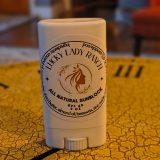 Mineral SunblockZinc oxide in a beeswax balm, without chemical UV filters.
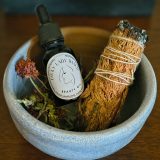 Beauty OilSeven plant oils for a soft, dewy, healthy looking face.
Questions people ask
Is hydroquinone banned in the US?
It is not banned, but since 2020 it can no longer be legally sold over the counter. Hydroquinone is available in the US only with a prescription. The European Union bans it in cosmetics.
What are the side effects of hydroquinone?
Reported side effects include irritation, redness, rashes and unwanted discoloration. Prolonged use, especially at high strength, can rarely cause exogenous ochronosis, a blue black darkening of the skin that is hard to reverse.
What is a safer alternative to hydroquinone for dark spots?
Daily sun protection is the most important step. Dermatologists may also suggest azelaic acid, niacinamide, vitamin C or tranexamic acid. A dermatologist can recommend what fits your skin and the cause of your dark spots.
Can skin lightening creams contain mercury?
Yes. The FDA and other health agencies have found mercury in imported skin lightening creams, sometimes at dangerous levels. Avoid products that list mercury, calomel or mercurous chloride, or that lack a clear ingredient list.
Sources and further reading
- US Food and Drug Administration (FDA), Skin Products With Hydroquinone
- US Food and Drug Administration (FDA), Mercury Poisoning Linked to Skin Products
- European Commission, Cosmetics Regulation (EC) No 1223/2009, Annex III
- International Agency for Research on Cancer (IARC), Monographs Volume 71: Hydroquinone
- American Academy of Dermatology (AAD), Melasma: Diagnosis and Treatment
This guide is for general education and is not medical advice. If you have a skin condition, allergy, or are pregnant or nursing, talk with your doctor or a board certified dermatologist about the products that are right for you.