Lead, Mercury and Heavy Metals in Cosmetics
Lead, mercury, arsenic and cadmium can find their way into makeup through mineral pigments and contamination. Here is what is allowed, what is not, and where the real risks lie.

Key takeaways
- Heavy metals in cosmetics are usually impurities from mineral pigments and raw materials, not intentional ingredients.
- The FDA recommends no more than 10 parts per million of lead in lip products and externally applied cosmetics.
- The most serious risks come from imported skin lighteners with mercury and traditional eye cosmetics like kohl with lead.
- Natural and mineral ingredients, including clays, can carry trace metals too, so sourcing and testing matter.
Most people would never knowingly rub lead on their lips or mercury on their face. Yet both metals, along with arsenic, cadmium and others, have turned up in cosmetics for as long as people have been making them. Today, the amounts in mainstream products sold in the US are usually tiny. But a small number of products, often sold outside regular retail channels, have been found with levels high enough to cause real poisoning. Knowing the difference is the key to staying calm and staying safe.
What Are Heavy Metals?
"Heavy metals" is a loose term for metallic elements that can be toxic at low doses. In the context of personal care, the ones that matter most are lead, mercury, arsenic, cadmium, and to a lesser degree nickel, chromium and antimony. These elements occur naturally in rocks, soil and water, which is exactly how they get into cosmetics. They do not break down, and some, like lead and mercury, can build up in the body over time.
How Metals Get Into Cosmetics
With a few notable exceptions, heavy metals are not added to cosmetics on purpose. They come along with other ingredients:
- Mineral pigments. Iron oxides, mica and other earth based colorants used in eyeshadow, blush, foundation and lipstick can carry trace metals from the ground they were mined from.
- Clays. Natural clays used in masks, cleansers and deodorants can contain small amounts of lead and arsenic, depending on where they are sourced.
- Manufacturing and water. Equipment, processing aids and water can add trace contamination.
- Intentional use. Mercury has been added deliberately to some skin lighteners, and lead compounds are traditional in some eye cosmetics like kohl, surma and kajal.
Because these metals are impurities, they almost never appear on an ingredient label. You cannot read your way to certainty, which is why regulation, brand testing and knowing where a product comes from matter more here than for most topics.
What Research and Regulators Say
Lead
Lead is a neurotoxin, and health agencies including the Centers for Disease Control and Prevention (CDC) state that no safe blood lead level in children has been identified. The US Food and Drug Administration (FDA) has tested hundreds of lipsticks and other cosmetics over the years. In surveys of lipsticks, it found lead in the great majority of samples, but generally at low parts per million levels. In 2016, the FDA issued guidance recommending a maximum of 10 parts per million of lead as an impurity in cosmetic lip products and externally applied cosmetics, a level it considered achievable with good manufacturing practices and not a health concern. The guidance is a recommendation rather than a binding limit.
The bigger lead concern involves certain imported eye cosmetics. The FDA has warned that kohl, kajal, al kahal and surma can contain high levels of lead, and these products are not approved for use in the US. Lead poisoning cases in children have been linked to their traditional use.
Mercury
In the US, mercury compounds are not allowed in cosmetics except as a preservative in eye area products in very small amounts, and otherwise only as trace impurities below 1 part per million. The international Minamata Convention on Mercury has also moved to phase out mercury added cosmetics, including skin lighteners, above that level.
The problem is products that ignore these rules. The FDA, CDC and state health departments have repeatedly found imported skin lightening and "anti aging" creams with mercury, sometimes at thousands of times the allowed limit. Mercury can damage the kidneys and nervous system, and because it vaporizes, it can expose other people in the home, including children who never used the cream. Our article on hydroquinone and skin lighteners looks at this market more closely.
Arsenic, Cadmium and Others
Arsenic and cadmium are classified by the International Agency for Research on Cancer (IARC) as human carcinogens, though cosmetic exposure is very small compared with sources like food, water and smoking. Nickel is a common skin allergen, and trace nickel in eye makeup has been studied as a possible trigger for eyelid dermatitis in nickel allergic people. Health Canada publishes guidance limits for several metal impurities in cosmetics, including lead, arsenic, cadmium, mercury and antimony, which many manufacturers use as a benchmark.
Who Should Be Most Careful
- Children, who absorb lead more readily and are more vulnerable to its effects. Play makeup and imported eye cosmetics deserve extra scrutiny. See non toxic skin care for kids.
- People who are pregnant or breastfeeding, since lead and mercury can affect a developing baby. Our guide to clean beauty during pregnancy has more.
- Anyone using imported skin lighteners or traditional eye cosmetics bought online, while traveling, or from informal sellers.
- Daily lipstick wearers, since some lip product is swallowed throughout the day.
If you suspect exposure to a mercury cream or lead containing cosmetic, stop using it, keep it sealed and away from children, and talk with your doctor about whether a blood or urine test makes sense.
How to Spot and Avoid Heavy Metals
- Buy from traceable sources. Products sold through established retailers and brands that comply with US rules are much less likely to carry dangerous levels.
- Avoid products that list mercury or its other names: mercurous chloride, calomel, mercuric, mercurio or mercurie. Also be wary of any lightening cream with no ingredient list at all.
- Skip kohl, kajal and surma unless you can confirm they are lead free and legally sold.
- Ask brands about testing. A brand that tests its pigments and clays for heavy metals should be happy to say so.
- Keep perspective. Trace parts per million in a lipstick are not equivalent to a mercury cream. Focus first on the high risk categories. Our guide to reading cosmetic labels and our piece on MoCRA, which strengthened FDA oversight of cosmetics, can help.
"Natural" Is Not the Same as Metal Free
This topic deserves extra honesty from natural brands, including us. Earth based ingredients come from the earth, and the earth contains metals. Clays, mineral pigments and salts can all carry trace amounts depending on their origin. That is not a reason to fear them. It is a reason to source carefully. Our article on bentonite clay explains how it is used in personal care, and we think shoppers deserve to ask any brand, ours included, where its clays and minerals come from.
At Lucky Lady Ranch, we keep formulas short so there are fewer places for unknowns to hide. Our Lip Love lip balm is built on plant oils, shea, cocoa butter and beeswax, and our Beauty Bar cleanses with saponified plant oils rather than a long list of colorants. Fewer ingredients, better known sources and a willingness to answer questions: that is the approach we trust.
From the ranch
Made in small batches, without the ingredients discussed above.
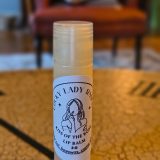 Lip BalmLip Love: our beauty oil blend with shea, cocoa butter and beeswax.
 Beauty BarA gentle facial bar with rosehip, prickly pear and vitamin E.
Questions people ask
Is there lead in lipstick?
Many lipsticks contain trace amounts of lead as an impurity from pigments. FDA testing has generally found low parts per million levels, and the FDA recommends no more than 10 ppm of lead in lip products. Imported or unregulated products can be higher.
How do I know if my skin cream has mercury?
Check the label for mercury, mercurous chloride, calomel, mercuric, mercurio or mercurie. Be cautious with imported lightening or anti aging creams that have no ingredient list. If you are unsure, stop using the product and contact your local health department or poison control.
Are mineral makeup and natural clays free of heavy metals?
Not automatically. Mineral pigments and clays come from the earth and can carry trace metals. Choosing brands that source carefully and test their raw materials is the best way to minimize exposure.
What does the FDA allow for heavy metals in cosmetics?
The FDA recommends a maximum of 10 ppm lead in lip products and externally applied cosmetics. Mercury is limited to trace amounts under 1 ppm, except for small amounts as a preservative in some eye area products.
Sources and further reading
- US Food and Drug Administration (FDA), Guidance for Industry: Lead in Cosmetic Lip Products and Externally Applied Cosmetics (2016)
- US Food and Drug Administration (FDA), Mercury Poisoning Linked to Skin Products
- US Food and Drug Administration (FDA), Kohl, Kajal, Al Kahal, Surma, Tiro, Tozali, or Kwalli
- Centers for Disease Control and Prevention (CDC), Childhood Lead Poisoning Prevention
- Health Canada, Guidance on Heavy Metal Impurities in Cosmetics
- Minamata Convention on Mercury (UNEP), Text and Annexes
This guide is for general education and is not medical advice. If you have a skin condition, allergy, or are pregnant or nursing, talk with your doctor or a board certified dermatologist about the products that are right for you.


