What Is Clean Beauty? A Plain English Guide
Clean beauty has no legal definition, yet it has changed how millions of people shop. Here is what the term usually means, where it falls short, and how to use it wisely.

Key takeaways
- Clean beauty has no legal or regulatory definition in the United States; each brand and retailer sets its own standard.
- Most clean standards focus on leaving out specific ingredients with a hazard profile, such as certain preservatives, plasticizers, and undisclosed fragrance.
- Natural does not automatically mean safe, and synthetic does not automatically mean harmful. Dose and exposure matter.
- A short, readable ingredient list and a brand that explains its choices are better signals than a label claim.
Walk down any beauty aisle and you will see the word "clean" on jars, tubes, and shelf signs. It sounds reassuring. It also sounds a little vague, and that is because it is. Clean beauty is a real movement with real reasons behind it, but the word itself has no official meaning. This guide walks through what people usually mean by it, where the idea came from, and how to use it as a starting point rather than a promise.
What Is Clean Beauty?
At its simplest, clean beauty describes personal care products made without ingredients that have drawn health or environmental questions. That might mean no parabens, no phthalates, no formaldehyde releasing preservatives, no synthetic fragrance, or no harsh sulfates. Some brands add environmental goals such as biodegradable formulas or less plastic packaging. Others focus on transparency, naming every ingredient instead of hiding components behind a single word.
What clean beauty is not: a regulated category. The US Food and Drug Administration (FDA) does not define "clean," "natural," or "non toxic" for cosmetics. A company can print those words on almost anything. Large retailers have filled the gap with their own programs, each with its own list of excluded ingredients, and those lists do not match one another.
Clean, natural, organic, and non toxic
These words often get used as if they were interchangeable. They are not.
- Clean usually means "made without" a list of ingredients the brand considers questionable. The ingredients can be natural or synthetic.
- Natural suggests ingredients from plants, minerals, or animals with limited processing. It is not defined for cosmetics either, which is why greenwashing on natural labels is so common.
- Organic has a real legal meaning for agricultural ingredients under the USDA National Organic Program. A cosmetic can carry the USDA Organic seal only if its ingredients meet those agricultural standards.
- Non toxic is the loosest of all. Toxicity depends on dose, route, and frequency, so the phrase means little without context.
Why the Clean Beauty Movement Started
For most of the last century, US cosmetics law changed very little. The Federal Food, Drug, and Cosmetic Act of 1938 gave the FDA limited power over cosmetics: no premarket approval, no required safety testing filed with the agency, and no authority to order recalls. Only about a dozen substances have been prohibited or restricted by FDA regulation. In comparison, the European Union lists well over a thousand substances that cannot be used in cosmetics, though many of those were never in common use. You can read more about that gap in our guide to US vs EU cosmetic rules.
At the same time, researchers began measuring personal care chemicals in people. Biomonitoring by the Centers for Disease Control and Prevention has found metabolites of certain phthalates, parabens, and other compounds in a large share of Americans tested. Detection alone does not prove harm, but it did make many shoppers ask why these ingredients were there at all. Concern about endocrine disruptors in particular pushed the movement forward.
In late 2022, Congress passed the Modernization of Cosmetics Regulation Act, the first major update to federal cosmetics law in more than 80 years. It added facility registration, adverse event reporting, and recall authority, but it still does not define clean. Our article on what MoCRA changed covers the details.
Ingredients Clean Standards Commonly Leave Out
Every list is different, but a few ingredient groups show up on nearly all of them:
- Parabens, a family of preservatives, some of which show weak estrogen-like activity in lab studies.
- Phthalates, plasticizers sometimes used in fragrance blends.
- Formaldehyde and formaldehyde releasing preservatives.
- Synthetic fragrance listed only as "fragrance" or "parfum," which can conceal dozens of components.
- Harsh sulfates such as sodium lauryl sulfate in leave-on or frequent-use products.
- Certain chemical sunscreen filters, especially oxybenzone.
It helps to know why each one is on the list. Some are there because of allergy rates, some because of hormone activity seen in lab or animal studies, some because of contamination risks, and some because of environmental persistence. Those are different kinds of concern, and they deserve different levels of attention.
Where Clean Beauty Gets It Wrong
A fair guide has to admit the movement's weak spots.
Natural is not the same as safe
Poison ivy is natural. So are many potent allergens found in essential oils, such as linalool and limonene, which oxidize over time and can sensitize skin. A product made entirely from plants can still irritate, and a well studied synthetic ingredient can be very gentle.
Hazard is not the same as risk
A hazard is something that could cause harm under some conditions. Risk is the chance that it actually does at the amount you are exposed to. Some clean beauty marketing treats any hazard as a guaranteed danger, which can lead to fear rather than good decisions. Regulators in both the US and EU consider many restricted ingredients acceptable at low concentrations.
"Free from" swaps can backfire
When one ingredient falls out of favor, it is usually replaced with another. The classic example is paraben-free products that switched to methylisothiazolinone, which then caused a wave of allergic reactions. Leaving something out only helps if what goes in is better.
How to Shop Clean Without Getting Fooled
- Read the back, not the front. The ingredient list is regulated; the marketing on the front is mostly not. Our guide to reading cosmetic ingredient labels makes this easier.
- Favor short lists you can recognize. Fewer ingredients means fewer chances for irritation and fewer unknowns.
- Prioritize leave-on products. Lotions, balms, deodorants, and sunscreens stay on your skin for hours, so they matter more than a cleanser you rinse off in seconds.
- Look for full disclosure. Brands that name every component of their scent, or skip added fragrance entirely, have less to hide.
- Change gradually. You do not need to throw everything out. Replace items as they run out, starting with the ones you use most.
If you have a skin condition, are pregnant, or are buying for a baby, it is worth talking with a doctor or dermatologist. Clean labels are not a substitute for personal medical advice.
Our Take at Lucky Lady Ranch
We think of clean beauty less as a label and more as a habit of asking simple questions. What is this ingredient doing here? Does the product need it? Could something simpler do the same job? That is how we make our products on the ranch: small batches, plant oils and butters, beeswax, clays, and essential oils, with the harsh chemicals left out.
A good place to begin is a single everyday item. Our cold process Body Bar is made from olive, coconut, shea, castor, and avocado oils, and our Body Balm is just shea butter, beeswax, vitamin E, and essential oils. You can read every ingredient and know why it is there. To us, that is what clean should mean.
From the ranch
Made in small batches, without the ingredients discussed above.
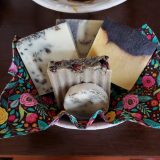 Body BarA true cold process soap for gentle, everyday cleansing.
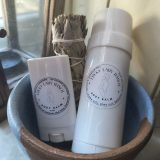 Body BalmUnrefined shea and organic beeswax for hard working skin.
Questions people ask
Is clean beauty regulated by the FDA?
No. The FDA has no definition for clean beauty, and the term is not regulated. Each brand or retailer decides what clean means for its products, so standards vary widely.
Is clean beauty better for your skin?
Not automatically. Clean products often skip common irritants like added fragrance, which can help sensitive skin, but natural ingredients can also cause reactions. The best choice depends on your skin and the specific formula.
What is the difference between clean and natural beauty?
Clean usually means made without a list of ingredients of concern, whether natural or synthetic. Natural refers to where ingredients come from. A product can be natural but not clean, or clean but partly synthetic.
Is clean beauty just marketing?
Partly. Because the word is unregulated, some brands use it loosely. But the questions behind the movement about ingredient safety and transparency are legitimate, and reading ingredient lists helps you separate substance from slogans.
What ingredients should I avoid in clean beauty?
Common exclusions include parabens, phthalates, formaldehyde releasing preservatives, undisclosed synthetic fragrance, harsh sulfates, and oxybenzone. Which ones matter most for you depends on your skin, health, and how often you use the product.
Sources and further reading
- US Food and Drug Administration (FDA), Cosmetics Labeling Claims
- US Food and Drug Administration (FDA), Modernization of Cosmetics Regulation Act of 2022 (MoCRA)
- European Commission, Regulation (EC) No 1223/2009 on Cosmetic Products
- Centers for Disease Control and Prevention (CDC), National Report on Human Exposure to Environmental Chemicals
- USDA National Organic Program, Cosmetics, Body Care Products, and Personal Care Products
This guide is for general education and is not medical advice. If you have a skin condition, allergy, or are pregnant or nursing, talk with your doctor or a board certified dermatologist about the products that are right for you.


