Castor Oil for Skin, Lashes and Hair
Castor oil is thick, glossy, and unusually rich in one fatty acid. Here is what it can and cannot do for skin, lashes, and hair, and how to use it with care.

Key takeaways
- Castor oil is pressed from castor beans and is about 90 percent ricinoleic acid, which makes it thick and unusually glossy.
- It softens skin, adds shine to hair, and boosts lather in cold process soap.
- There is no good scientific evidence that it makes lashes or hair grow, though it can make them look glossier.
- Plain castor oil is a simple alternative to PEG castor derivatives, which can carry 1,4-dioxane from manufacturing.
- Use care near the eyes, and patch test, since some people react to castor oil.
Castor oil may be the most hyped bottle in the natural beauty aisle. Social media credits it with longer lashes, fuller brows, and thicker hair. Some of that enthusiasm is earned: castor oil is a genuinely useful ingredient with a texture unlike any other plant oil. But the growth claims run far ahead of the evidence. Here is a clear look at what castor oil is, what it does well, and where to be careful.
What is castor oil?
Castor oil is pressed from the seeds (often called beans) of the castor plant, Ricinus communis, a fast growing shrub native to northeast Africa and the Mediterranean region that is now grown widely in tropical and warm climates. India is the world's largest producer. The oil has been used for thousands of years for lamps, medicine, and skin care.
What makes castor oil special is its chemistry. Roughly 90 percent of its fatty acids are ricinoleic acid, a fatty acid with an extra hydroxyl group. That small difference makes castor oil much thicker and stickier than other oils, gives it a high gloss, and makes it mix more readily with alcohol. It is the reason castor oil behaves so differently in lipsticks, soaps, and hair products.
You may have heard that castor beans contain ricin, a dangerous toxin. They do, but ricin is a protein that stays behind in the seed pulp. It does not carry over into properly pressed and processed castor oil, which is why castor oil has been used safely in cosmetics and foods for a long time.
Label names and types
- Ricinus Communis (Castor) Seed Oil: plain castor oil.
- Cold pressed castor oil: pale yellow, pressed without high heat.
- Jamaican black castor oil: made by roasting the beans before processing, which gives a dark color and smoky smell. It is a traditional preparation; there is no solid evidence that it works better than cold pressed oil.
- Hydrogenated Castor Oil: a hardened, waxy form used as a thickener.
- PEG castor derivatives, such as PEG-40 Hydrogenated Castor Oil: chemically modified versions, covered below.
What castor oil does for skin
On skin, castor oil is an emollient that softens and smooths. Its thickness helps it stay put, so it is often used in small amounts in balms, lip products, and facial oil blends. It brings a cushiony glide that lighter oils lack.
Castor oil also shines in soap. In cold process soap, a modest amount of castor oil helps create a rich, stable, creamy lather. That is why it is part of our Body Bar and many traditional soap recipes. If you are curious how handmade soap differs from mass market bars, see cold process soap vs commercial beauty bars.
In facial blends, a little castor oil goes a long way. Too much can feel sticky. Our Beauty Oil uses it as one part of a balanced blend with lighter oils such as jojoba.
Castor oil for lashes and brows: what the evidence says
This is the claim most people search for, so it deserves a straight answer. There are no strong clinical studies showing that castor oil makes eyelashes or eyebrows grow longer or thicker. The idea is widespread, but it rests largely on anecdotes.
What castor oil can do is coat lashes and brows, which makes them look darker, glossier, and a bit fuller while the oil is on them. Some people also like the conditioned feel. That is a cosmetic effect, and it is a fair reason to enjoy it, as long as expectations are realistic.
If you try it near your eyes, be careful:
- Use a clean spoolie or cotton swab and a tiny amount, applied only to the base of the lashes, not inside the eye.
- Oil that migrates into the eye can cause blurry vision, stinging, or irritation. Rinse with clean water if that happens.
- Stop if your eyelids become red, itchy, or swollen, and talk with an eye doctor if symptoms persist.
- Do not use it if you have an eye infection, have recently had eye surgery, or wear lash extensions (oil can loosen the adhesive).
Castor oil for hair
On hair, castor oil works as a sealing and shine oil. It can smooth the look of frizz, make dry ends feel softer, and add gloss. It is very heavy, so most people mix it with lighter oils or use only a few drops. Our Hair Oil blends castor with argan, black seed, sacha inchi, and rice bran oils to balance its weight.
As with lashes, there is no reliable evidence that castor oil grows hair or treats hair loss. Some lab studies have explored how ricinoleic acid interacts with certain biological pathways, but that is a long way from showing hair growth on a human scalp. If you are noticing hair thinning or shedding, a dermatologist can help look for causes, some of which are very treatable.
One more caution: there are published case reports of a rare problem called acute hair felting, where long hair suddenly becomes a hard, tangled mass that often has to be cut out, after people applied castor oil. It is uncommon, but it is a good reason to use small amounts, work gently, and rinse well.
A gentler alternative to PEG castor derivatives
Here is something that catches many label readers off guard: castor oil appears in many conventional products, but often in a heavily modified form. PEG-40 Hydrogenated Castor Oil and similar ingredients are made by reacting castor oil with ethylene oxide, a process called ethoxylation. The result is an emulsifier and solubilizer that helps fragrance and oils dissolve into water based products like toners, cleansers, and sprays.
Ethoxylation can leave behind a byproduct called 1,4-dioxane. It is not listed on labels because it is a contaminant rather than an ingredient. The International Agency for Research on Cancer classifies 1,4-dioxane as possibly carcinogenic to humans, and the US Environmental Protection Agency considers it likely to be carcinogenic. The FDA has said manufacturers can reduce it through purification, and New York State has set limits on its levels in personal care products. Our article on PEG compounds and 1,4-dioxane explains the details, including why levels in a given product are often low.
Plain, unmodified castor oil involves no ethoxylation, so this concern does not apply to it. Choosing products that use castor oil in its natural form is a simple way to avoid the question altogether. Castor oil in soap also helps create good lather without relying on harsh foaming agents like sodium lauryl sulfate.
Who should be careful
- People with sensitive skin. Allergic contact dermatitis from castor oil has been reported, most often from lipsticks. If you have reacted to lip products before, patch test.
- Around the eyes. See the precautions above. When in doubt, ask an eye doctor.
- Long or fine, easily tangled hair. Use a light hand to lower the risk of matting.
- Do not swallow cosmetic castor oil. Castor oil taken by mouth is a strong laxative, and it should not be used during pregnancy without a doctor's guidance.
If you have a skin condition, talk with a dermatologist before trying new oils. Our guide to sensitive skin irritants can help you think through what to try first.
Quality tips
- Choose cold pressed, hexane free castor oil, ideally in a dark bottle.
- Read the label for "Ricinus Communis Seed Oil" rather than PEG or other modified versions if you want the plain oil.
- Castor oil is fairly stable but can still go stale. Replace it if it smells sharp or rancid.
- For hair and face, mix it with a lighter oil rather than using it straight.
Respecting a hardworking oil
Castor oil does not need exaggerated claims. It gives soap a lovely lather, gives lips and hair a glossy finish, and helps balms feel rich and cushioned. At Lucky Lady Ranch, we use it in its natural, unmodified form because we would rather leave out the extra processing and the questions that come with it. Simple oil, honest claims, careful use: that is the whole idea.
From the ranch
Made in small batches, without the ingredients discussed above.
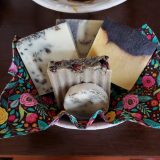 Body BarA true cold process soap for gentle, everyday cleansing.
 Beauty OilSeven plant oils for a soft, dewy, healthy looking face.
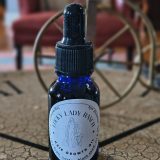 Hair OilSacha inchi, black seed, rice bran, argan and castor for hair and scalp.
Questions people ask
Does castor oil really grow eyelashes?
There is no strong scientific evidence that castor oil makes eyelashes grow. It can coat lashes and make them look darker and glossier. If you try it, use a tiny amount at the lash line and keep it out of your eyes.
Is castor oil good for your face?
In small amounts, yes for many people. It is thick and very emollient, so it works best as part of a blend with lighter oils. Some people react to castor oil, so patch test first.
What is the difference between Jamaican black castor oil and regular castor oil?
Jamaican black castor oil is made from roasted beans, which gives it a dark color and smoky scent. Regular cold pressed castor oil is pale. There is no solid evidence that one works better than the other on hair.
Is PEG-40 hydrogenated castor oil the same as castor oil?
No. It is castor oil that has been chemically reacted with ethylene oxide to make it mix with water. That process can leave traces of 1,4-dioxane, which plain castor oil does not carry.
Can castor oil cause hair to tangle?
In rare cases, yes. There are case reports of acute hair felting, a severe matting of hair, after castor oil use. Using small amounts, applying gently, and rinsing thoroughly lowers the risk.
Sources and further reading
- Cosmetic Ingredient Review (CIR), Final Report on the Safety Assessment of Ricinus Communis (Castor) Seed Oil and related ingredients
- US Food and Drug Administration (FDA), Cosmetics: 1,4-Dioxane in Cosmetics, A Manufacturing Byproduct
- International Agency for Research on Cancer (IARC), Monographs Volume 71: 1,4-Dioxane
- US Environmental Protection Agency (EPA), Integrated Risk Information System (IRIS): 1,4-Dioxane
- Maduri VR, Vedachalam A, Kiruthika S. Castor oil: the culprit of acute hair felting. International Journal of Trichology, 2017
This guide is for general education and is not medical advice. If you have a skin condition, allergy, or are pregnant or nursing, talk with your doctor or a board certified dermatologist about the products that are right for you.