Black Seed Oil (Nigella Sativa) in Hair and Skin Care
Black seed oil from Nigella sativa has a long traditional history and a growing body of lab research. Here is what it can do for hair and skin, and how to use it carefully.

Key takeaways
- Black seed oil is pressed from the seeds of Nigella sativa, a flowering plant in the buttercup family, not from true cumin.
- Its best known compound, thymoquinone, has been widely studied in the lab, but human evidence for skin and hair is limited.
- On hair and scalp, it works as a conditioning oil; there is no reliable evidence that it grows hair.
- Allergic skin reactions have been reported, so it should be diluted and patch tested.
- In a shampoo bar, plant oils like black seed offer a gentler path than harsh sulfate detergents.
Black seed oil has been used in the Middle East, North Africa, and South Asia for a very long time, in kitchens and in traditional remedies alike. Today it shows up in hair oils, shampoos, and skin products, often with sweeping claims attached. The truth is more modest and more interesting: a strongly scented, conditioning oil with a distinctive chemistry that researchers are still exploring. Here is what is known, what is not, and how to use it with care.
What is black seed oil?
Black seed oil is pressed from the small, angular, jet black seeds of Nigella sativa, an annual flowering plant in the buttercup family (Ranunculaceae). It is native to southwest Asia and the eastern Mediterranean and is now grown in places such as Egypt, India, Turkey, and Ethiopia.
The seeds go by many names: black seed, black cumin, kalonji, black caraway, nigella, and fennel flower. Despite the common name "black cumin," nigella is not related to the cumin used in cooking (Cuminum cyminum). It is also distinct from black sesame and onion seed, though nigella seeds are sometimes sold as "onion seed" in markets.
On cosmetic labels, look for Nigella Sativa Seed Oil.
A long history
Nigella seeds have been used as a spice and in traditional medicine for millennia, and they are reported to have been found among the goods in ancient Egyptian tombs. The seeds remain a common ingredient in breads, cheeses, and spice blends across many cultures.
What is in black seed oil
Like most seed oils, black seed oil is mostly fatty acids, especially linoleic acid and oleic acid. What sets it apart is a small fraction of volatile compounds, the most studied of which is thymoquinone. Thymoquinone and related compounds give the oil its sharp, peppery, slightly bitter scent.
Thymoquinone has been the subject of a great deal of laboratory research. Studies in cells and animals have explored antioxidant, anti inflammatory, and antimicrobial activity. That is genuinely interesting science, but it is important to be clear: results in a petri dish or a mouse do not automatically translate to a bottle of oil on human skin. High quality human studies on topical black seed oil for skin and hair are few and small.
What black seed oil does for hair and scalp
On hair, black seed oil behaves like other conditioning oils. It coats the strand, smooths the cuticle, helps reduce the look of dryness and frizz, and adds a soft sheen. On the scalp, a small amount of diluted oil can help a dry, tight feeling scalp feel more comfortable.
You will see black seed oil marketed for hair growth and thinning. A handful of small studies have tested topical nigella preparations on the scalp, but the evidence is too limited to say it grows hair, and we do not make that claim. Hair loss has many possible causes, from thyroid problems to iron deficiency to genetics, so if you are noticing thinning, the most helpful step is a visit with a dermatologist.
Black seed oil is one of the oils in our Shampoo and Conditioner Bar and our Hair Oil, where it is blended with argan oil, castor oil, and sacha inchi and rice bran oils. In a blend, its strong character is balanced by gentler, milder oils.
What black seed oil does for skin
On skin, black seed oil is an emollient that softens and moisturizes. Some small clinical studies have explored nigella preparations for various skin concerns, but these trials were limited in size and design. The fair summary is that black seed oil is a nourishing oil with interesting compounds, not a proven treatment for any skin condition. If you are managing acne, eczema, psoriasis, or another condition, talk with a dermatologist rather than relying on oils.
A gentler alternative to harsh sulfate shampoos
Most conventional shampoos are built on synthetic detergents, very often sodium lauryl sulfate (SLS) or sodium laureth sulfate (SLES). These surfactants are excellent at removing oil and producing big foam, which is exactly why they can be too much of a good thing. SLS is so reliably irritating at higher concentrations that dermatology researchers use it on purpose to irritate skin in studies of the skin barrier.
In shampoo, the concern is mostly about stripping: a strong detergent can remove more of the scalp's natural oils than needed, leaving hair dry and some scalps itchy or tight. Regulators and the Cosmetic Ingredient Review consider SLS safe in rinse off products that are used briefly and rinsed well, and many people use sulfate shampoos without trouble. But people with dry, curly, color treated, or sensitive scalps often feel the difference when they switch. SLES carries an additional question, because the ethoxylation used to make it can leave traces of 1,4-dioxane. You can read the full balance in SLS and SLES: why harsh sulfates strip your skin and hair.
A shampoo bar made from plant oils takes a different approach. Instead of a single aggressive detergent, it cleanses with a gentler lather built from oils, and conditioning oils such as black seed, argan, and shea stay part of the formula. Our bar is pH adjusted to be kinder to hair than plain soap. Many people find an adjustment period of a week or two when switching from sulfate shampoos, as the scalp rebalances. Our guide to non toxic hair care walks through what to expect.
How to use black seed oil
- Always dilute it. Mix a small amount of black seed oil into a milder carrier oil such as jojoba, argan, or sweet almond, rather than using it straight. Blends with a modest share of black seed oil are typical.
- For a scalp massage: part dry hair and apply a few drops of the diluted blend to the scalp. Massage gently with your fingertips for a few minutes, leave on for 30 minutes to an hour, then shampoo.
- For ends: smooth one or two drops of a blend over dry ends to add softness and shine.
- For skin: add a drop to a larger amount of your usual body oil, and test on a small area first.
Who should be careful
- Allergic contact dermatitis. This is the most important caution. There are multiple published case reports of allergic skin reactions to topical black seed oil, some of them significant, with redness, blistering, and itching. Thymoquinone and related compounds appear to be skin sensitizers. Always patch test a diluted amount on the inner arm for 48 hours, and stop if you notice irritation.
- Sensitive skin and eczema. People with a history of reacting to fragrance or essential oils may be more likely to react. Our guide to sensitive skin irritants has more on this.
- Pregnancy and medications. Black seed supplements taken by mouth can interact with some medications and are not well studied in pregnancy. This article is about topical use, but if you are pregnant or take prescription medications, talk with your doctor before using black seed products, especially by mouth. See also clean beauty during pregnancy.
- Eyes. Keep it away from the eyes, where it can sting.
Quality tips
- Choose cold pressed oil in dark glass, labeled Nigella Sativa Seed Oil.
- Expect a strong smell. Real black seed oil is pungent and peppery. A neutral smelling product may be diluted or heavily refined.
- Check the color. It is typically amber to dark brownish, depending on the seed and process.
- Store it cool and dark and use it within its shelf life; its fatty acids can go rancid.
Respecting a strong ingredient
Black seed oil is a reminder that natural does not mean weak, and it does not mean risk free. It is a characterful, conditioning oil that has earned its place in traditional care, and it deserves to be used thoughtfully: diluted, patch tested, and in good company with gentler oils. At Lucky Lady Ranch, that is how we use it, in formulas that leave out harsh sulfates so your scalp keeps more of what it needs.
From the ranch
Made in small batches, without the ingredients discussed above.
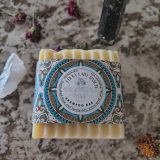 Shampoo and Conditioner BarPlastic free hair care with argan, castor and black seed oil.
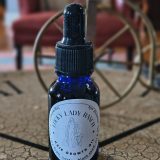 Hair OilSacha inchi, black seed, rice bran, argan and castor for hair and scalp.
Questions people ask
Is black seed oil good for hair?
It works well as a conditioning oil that adds softness and shine and helps reduce the look of dryness. There is no reliable evidence that it makes hair grow. Use it diluted and patch test first.
Is black seed oil the same as black cumin?
Black cumin is one of the common names for Nigella sativa, the source of black seed oil. It is not related to the regular cumin used in cooking.
Can black seed oil cause a skin reaction?
Yes. Allergic contact dermatitis from topical black seed oil has been reported in multiple case reports. Diluting it in a carrier oil and patch testing on the inner arm for 48 hours lowers the chance of an unpleasant surprise.
How do I dilute black seed oil for my scalp?
Mix a small amount of black seed oil into a larger amount of a gentle carrier oil such as jojoba or argan. Start with a low share of black seed oil and increase only if your skin tolerates it well.
Can I use black seed oil on my face?
Some people do, but because it can cause allergic reactions and has a strong scent, it is best used diluted and only after a patch test. If you have a skin condition, ask your dermatologist first.
Sources and further reading
- Memorial Sloan Kettering Cancer Center, About Herbs, Botanicals and Other Products: Black Cumin
- Ahmad A, Husain A, Mujeeb M, et al. A review on therapeutic potential of Nigella sativa: A miracle herb. Asian Pacific Journal of Tropical Biomedicine, 2013
- Zedlitz S, Kaufmann R, Boehncke WH. Allergic contact dermatitis from black cumin (Nigella sativa) oil-containing ointment. Contact Dermatitis, 2002
- Cosmetic Ingredient Review (CIR), Final Report on the Safety Assessment of Sodium Lauryl Sulfate and Ammonium Lauryl Sulfate
- European Commission, CosIng Cosmetic Ingredient Database: Nigella Sativa Seed Oil
This guide is for general education and is not medical advice. If you have a skin condition, allergy, or are pregnant or nursing, talk with your doctor or a board certified dermatologist about the products that are right for you.