Benzalkonium Chloride and Quats in Hand Soaps and Wipes
Benzalkonium chloride is the active ingredient in many alcohol free sanitizers and antibacterial wipes. Here is how quats work, what concerns researchers, and when plain soap is enough.
Key takeaways
- Quats are a family of antimicrobial chemicals, and benzalkonium chloride is the most common in personal care.
- The FDA deferred a final decision on benzalkonium chloride in consumer hand washes and sanitizers pending more data.
- Quats can irritate skin and are recognized triggers of work related asthma, especially in cleaning products.
- Researchers are studying whether heavy quat use contributes to bacteria becoming less sensitive to disinfectants and antibiotics.
- For everyday hand hygiene, the CDC recommends plain soap and water whenever it is available.
Since 2020, many households have stocked up on disinfecting wipes, antibacterial hand soap and sanitizer. Flip any of them over, and there is a good chance you will find benzalkonium chloride or a similar ingredient on the label. These chemicals, known collectively as quats, are some of the most widely used antimicrobials in the world. They have legitimate uses. They also raise questions about skin, lungs and the long term effectiveness of the germ killers we rely on.
What Are Quats?
Quats is short for quaternary ammonium compounds, a large family of chemicals with a positively charged nitrogen at their core. That positive charge lets them cling to the negatively charged surfaces of bacteria and some viruses, where they disrupt cell membranes. The same property makes some quats good at softening fabric and smoothing hair, which is why they appear in conditioners and dryer sheets as well as disinfectants.
Benzalkonium chloride, sometimes written as BAC or BZK, is the most common quat in personal care. Others include:
- Benzethonium chloride, used in some hand sanitizers and first aid products
- Cetylpyridinium chloride, found in some mouthwashes
- Didecyldimethylammonium chloride and alkyl dimethyl benzyl ammonium chloride, common in household disinfecting wipes and sprays
- Cetrimonium chloride, behentrimonium chloride and other conditioning quats in hair care
Where Quats Show Up
- Alcohol free hand sanitizers, which usually rely on benzalkonium chloride
- Antibacterial hand soaps and body washes
- Disinfecting wipes and sprays for surfaces
- Baby wipes and personal cleansing wipes
- Eye drops, nasal sprays and contact lens solutions, as a preservative
- First aid antiseptics and some wound cleansers
- Hair conditioners and fabric softeners
In hand sanitizers and antiseptic soaps sold as drugs in the US, benzalkonium chloride appears under "Active Ingredients" in the Drug Facts box, usually around 0.1 to 0.13 percent. In wipes and cleaners regulated by the Environmental Protection Agency (EPA), quats appear as registered active ingredients on the product label.
What Research and Regulators Say
FDA Decisions
In 2016, the US Food and Drug Administration (FDA) ruled that 19 active ingredients, including triclosan, could no longer be used in consumer antiseptic washes because manufacturers had not shown they were safe and more effective than plain soap and water for long term daily use. Three ingredients were set aside for further study: benzalkonium chloride, benzethonium chloride and chloroxylenol. In 2019, the FDA took a similar step for consumer hand sanitizers, deferring a decision on benzalkonium chloride, ethyl alcohol and isopropyl alcohol while it gathered more data. That means benzalkonium chloride remains on the market without a final determination that it is generally recognized as safe and effective for these uses.
Effectiveness
The Centers for Disease Control and Prevention (CDC) recommends washing hands with soap and water whenever possible. When soap and water are not available, it recommends hand sanitizer with at least 60 percent alcohol. The CDC notes that sanitizers do not work as well against certain germs, such as norovirus and Clostridioides difficile, or on visibly dirty or greasy hands. Alcohol free sanitizers based on quats are not the CDC's recommended choice.
Skin and Eyes
Benzalkonium chloride is a known skin irritant and an occasional allergen, and frequent use can contribute to dry, cracked hands, particularly in health care workers. In eye drops, long term exposure to benzalkonium chloride as a preservative has been associated with irritation and damage to the surface of the eye, which is why preservative free drops are often recommended for people who use them many times a day. If you use eye drops daily, an eye doctor can advise you.
Lungs
Quats are recognized as a cause of work related asthma, particularly among cleaners and health care workers who use quat based disinfecting sprays. Spraying puts fine droplets into the air you breathe, which is a different exposure than rubbing a small amount on your hands.
Resistance and Emerging Questions
Researchers are studying whether widespread use of quats encourages bacteria to become less sensitive to them, and possibly to some antibiotics, through shared resistance mechanisms. Laboratory studies have shown this can happen, though how much it matters in everyday settings is not yet clear. Some animal studies have also reported reproductive and developmental effects from quat mixtures used in disinfectants, and quats have been detected in the blood of many people tested in a small study. These findings are early and not definitive, but they are part of why researchers have called for more careful use.
Conditioning Quats Are Different
To be fair, not every quat on a label is a disinfectant. Conditioning quats like behentrimonium chloride are used at low levels in rinse off hair products to reduce static and tangles. They can still irritate sensitive scalps, but they are not the same as spraying a surface disinfectant several times a day.
Who Should Be Most Careful
- People with asthma, who may want to avoid quat based disinfecting sprays at home and use wipes or diluted cleaners instead, with good ventilation.
- People with hand eczema or sensitive skin. See sensitive skin irritants.
- Families with young children, who touch freshly wiped surfaces and put hands in mouths. Our guide to non toxic care for kids has more.
- Cleaners and health care workers, who face the highest daily exposure.
How to Spot and Avoid Quats
- Check the Drug Facts box on hand sanitizers and antibacterial soaps for benzalkonium chloride or benzethonium chloride.
- Look for names ending in "-ammonium chloride" or "-onium chloride" on wipes and cleaners. Our guide to reading ingredient labels can help.
- Use plain soap and water for everyday handwashing, scrubbing for at least 20 seconds.
- Save disinfectants for when they matter, such as illness in the home, rather than daily routine cleaning of every surface.
- Ask about eye drops. If you use drops several times a day, ask your eye doctor or pharmacist whether a preservative free version makes sense for you.
- Choose alcohol based sanitizer for on the go use when soap is not available.
Soap Still Works
It is easy to forget that soap was the original germ fighter. Soap molecules break apart the oily outer layer of many germs and lift dirt and microbes off the skin so water can rinse them away. You do not need an antibacterial label for that to work. Our article on cold process soap vs commercial beauty bars explains how true soap is made.
At Lucky Lady Ranch, our Body Bar and Man Bar are simple cold process soaps made from plant oils, with no quats or other antibacterial additives. For hands that are dry from frequent washing, a small amount of Body Balm with shea butter and beeswax helps soften and protect. Clean hands do not have to mean irritated ones.
From the ranch
Made in small batches, without the ingredients discussed above.
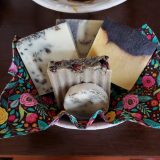 Body BarA true cold process soap for gentle, everyday cleansing.
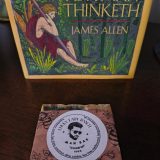 Man BarTea tree, cedarwood and bergamot mint in a clean, rugged bar.
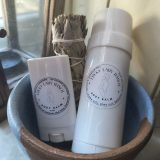 Body BalmUnrefined shea and organic beeswax for hard working skin.
Questions people ask
Is benzalkonium chloride safe?
It is widely used and allowed at low levels, but the FDA has not made a final determination about its safety and effectiveness in consumer hand washes and sanitizers. It can irritate skin and eyes, and quat disinfectants are linked to work related asthma.
Is alcohol free hand sanitizer as effective?
The CDC recommends hand sanitizers with at least 60 percent alcohol when soap and water are not available. Alcohol free sanitizers, which usually use benzalkonium chloride, are not the CDC's recommended choice.
What are quats in cleaning products?
Quats, or quaternary ammonium compounds, are antimicrobial chemicals used in disinfecting wipes and sprays. Common ones include benzalkonium chloride and didecyldimethylammonium chloride. Look for names ending in "ammonium chloride" on the label.
Is antibacterial soap better than regular soap?
For everyday use at home, the FDA has said there is no evidence that consumer antibacterial soaps are better at preventing illness than plain soap and water. Washing with regular soap for 20 seconds is effective.
Sources and further reading
- US Food and Drug Administration (FDA), Safety and Effectiveness of Consumer Antiseptics; Topical Antimicrobial Drug Products for Over-the-Counter Human Use (Final Rule, 2016)
- US Food and Drug Administration (FDA), Safety and Effectiveness of Consumer Antiseptic Rubs (Final Rule, 2019)
- Centers for Disease Control and Prevention (CDC), About Hand Hygiene and When and How to Wash Your Hands
- Association of Occupational and Environmental Clinics (AOEC), Asthmagen Exposure Codes
- Hrubec et al., Altered Toxicological Endpoints in Humans From Common Quaternary Ammonium Compound Disinfectant Exposure, Toxicology Reports (2021)
This guide is for general education and is not medical advice. If you have a skin condition, allergy, or are pregnant or nursing, talk with your doctor or a board certified dermatologist about the products that are right for you.