Triclosan and Antibacterial Soap: Why the FDA Pulled It
For years antibacterial soap seemed like the safer choice. The FDA concluded that triclosan offered no proven benefit over plain soap and water.
Key takeaways
- In 2016 the FDA ruled that triclosan and 18 other antibacterial ingredients could no longer be sold in consumer hand and body washes.
- Manufacturers had not shown that these ingredients were safe for long term daily use or better than plain soap and water.
- Researchers flagged concerns about hormone effects in animal studies, antibiotic resistance, and environmental persistence.
- Triclosan may still appear in some other products, so it is worth checking labels.
For a couple of decades, antibacterial soap felt like the responsible choice. It was in kitchens, bathrooms, schools, and offices, and the word "antibacterial" suggested an extra layer of protection. Then in 2016 the US Food and Drug Administration did something unusual: it effectively removed the most common antibacterial ingredient, triclosan, from consumer hand soaps and body washes. The reason was simple and unexpected. The agency found no evidence that these soaps worked better than ordinary soap and water.
What is triclosan?
Triclosan is a synthetic antimicrobial chemical developed in the 1960s, first for hospital use. It works by interfering with bacterial cell processes, and at higher concentrations it damages bacterial membranes. A related compound, triclocarban, was used in many antibacterial bar soaps. Over time both moved out of the hospital and into everyday consumer goods, from hand soap and body wash to toothpaste, deodorant, cosmetics, kitchen cutting boards, and even textiles and toys.
Why the FDA pulled it from soap
In the US, antibacterial hand and body washes are regulated as over the counter drugs, not ordinary cosmetics, so they have to meet drug standards. In 2013 the FDA asked manufacturers to provide data showing two things: that their antibacterial ingredients were safe for long term daily use, and that they were more effective than plain soap and water at preventing illness or the spread of infection.
Manufacturers did not provide enough data to meet that standard. In September 2016 the FDA issued a final rule stating that consumer antiseptic wash products containing triclosan, triclocarban, and 17 other active ingredients could no longer be marketed. Companies had about a year to reformulate or remove products. The FDA was clear that this rule did not apply to hand sanitizers or to products used in health care settings, which were handled separately.
The agency's consumer advice was refreshingly plain: washing with ordinary soap and running water remains one of the most important steps you can take to avoid getting sick and spreading germs. The CDC gives the same advice.
What research found
Hormone effects
Animal studies found that triclosan could affect thyroid hormone levels and interact with estrogen and testosterone pathways in some test systems. Whether these effects occur in people at typical exposure levels has not been established, but they were part of why regulators wanted long term safety data. For background on why hormone active chemicals get special attention, see our article on endocrine disruptors in personal care.
Antibiotic resistance
Scientists have voiced concerns that widespread use of antibacterial chemicals in consumer products could contribute to bacteria becoming resistant, and that some resistance mechanisms might overlap with those that protect bacteria from antibiotics. Laboratory research supports this possibility, though the real world impact is still being studied. The FDA cited this concern when it requested data from manufacturers.
Body levels
When the CDC measured triclosan in the urine of Americans in the early 2000s, it found the chemical in roughly three quarters of the people tested. That showed how common exposure had become, even though detection alone does not mean harm.
The environment
Triclosan washes down the drain and is not fully removed at wastewater treatment plants. The US Geological Survey has detected it in streams across the country, and studies show it is toxic to algae and other aquatic organisms. Some of it can also break down into other persistent compounds in sunlight. Minnesota became the first state to ban triclosan in most consumer hygiene products, with the law taking effect in 2017.
Where triclosan may still appear
The FDA rule covered consumer antiseptic washes. It did not ban triclosan everywhere. You may still find it, or related antimicrobials, in:
- Some older stock or imported soaps
- Certain cosmetics such as deodorants, face powders, or makeup, which fall under different rules
- Products treated with antimicrobial finishes, such as some cutting boards, textiles, or plastic goods, sometimes marketed under trade names
Toothpaste is a notable case. One major brand used triclosan for years under a separate drug approval, citing evidence of benefit against gingivitis, and later reformulated without it in 2019. In the EU, triclosan is allowed in cosmetics only at limited concentrations in specific product types.
Label names
Look for triclosan, triclocarban, and sometimes the chemical name 5-chloro-2-(2,4-dichlorophenoxy)phenol. Be cautious with products marketed as "antimicrobial" or "odor fighting" without listing the active ingredient. Our article on benzalkonium chloride and quats covers the antibacterial ingredients that many brands now use instead.
Why plain soap is enough
It can seem counterintuitive that ordinary soap would do as well as a product designed to kill bacteria. The explanation lies in how soap works. Soap molecules have one end that attracts water and another that attracts oils. When you lather, they surround oily grime and many microbes, lift them from the skin, and let water carry them away. Many viruses are also wrapped in a fatty outer layer that soap can disrupt. You are not relying on killing germs where they sit; you are removing them.
Antibacterial ingredients in a wash also have very little time to work. In the short contact time of a typical hand wash, a chemical like triclosan has limited opportunity to act before it is rinsed off. That helps explain why studies comparing antibacterial and plain soap in everyday settings generally failed to show a meaningful difference in illness. Our comparison of cold process soap and commercial bars looks at what makes a gentle, effective bar.
Frequent washing with harsh products can also dry and crack the skin on your hands, and damaged skin is harder to keep clean. Gentle soap, good technique, and a little moisturizer afterward is a combination that protects both your health and your skin barrier.
Who should be most careful
- Families with young children, who may wash their hands many times a day. Our guide to non toxic skin care for kids has more on choosing gentle washes.
- Pregnant people who prefer to limit hormone active chemicals where easy. See clean beauty during pregnancy.
- People with dry or sensitive skin, since frequent antibacterial washing can be drying.
Health care workers should follow their workplace protocols, and anyone with a medical need for antiseptic products should follow their doctor's advice.
How to avoid it
- Check the Drug Facts box on any soap labeled antibacterial. The active ingredient will be listed there.
- Choose plain soap. It works by physically lifting germs and oils off the skin so water can rinse them away.
- Wash well rather than strong. The CDC recommends scrubbing for at least 20 seconds, including the backs of hands, between fingers, and under nails.
- Be skeptical of "antimicrobial" claims on household goods that do not name the chemical.
Plain soap, done well
The triclosan story is a good reminder that more chemistry is not always more protection. At Lucky Lady Ranch our cold process Body Bar is simply soap: plant oils transformed by saponification, with the natural glycerin left in. It cleans the way soap always has. Pair it with a moisturizing Body Balm if frequent hand washing leaves your skin dry. Sometimes the best ingredient is the one nobody needed in the first place.
From the ranch
Made in small batches, without the ingredients discussed above.
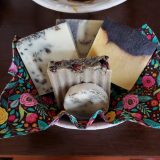 Body BarA true cold process soap for gentle, everyday cleansing.
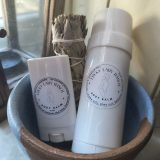 Body BalmUnrefined shea and organic beeswax for hard working skin.
Questions people ask
Why was triclosan banned from soap?
In 2016 the FDA ruled that manufacturers had not shown triclosan was safe for long term daily use or more effective than plain soap and water. Consumer antiseptic washes containing it could no longer be marketed.
Is antibacterial soap better than regular soap?
For everyday consumer use, the FDA and CDC say there is no evidence that antibacterial soap prevents illness better than plain soap and water. Thorough washing technique matters more.
Is triclosan still in toothpaste?
The best known triclosan toothpaste in the US was reformulated without it in 2019. Check the Drug Facts label on any toothpaste if you want to be sure.
Is hand sanitizer the same as antibacterial soap?
No. Hand sanitizers are regulated separately and most use alcohol as the active ingredient. The 2016 rule applied to antiseptic washes that are rinsed off with water.
What is triclocarban?
Triclocarban is an antibacterial chemical related to triclosan that was common in bar soaps. It was included in the same 2016 FDA rule and can no longer be marketed in consumer antiseptic washes.
Sources and further reading
- US Food and Drug Administration (FDA), Safety and Effectiveness of Consumer Antiseptics; Topical Antimicrobial Drug Products for Over-the-Counter Human Use, Final Rule (2016)
- US Food and Drug Administration (FDA), Antibacterial Soap? You Can Skip It, Use Plain Soap and Water
- US Centers for Disease Control and Prevention (CDC), When and How to Wash Your Hands
- Calafat AM et al., Urinary concentrations of triclosan in the US population: 2003 to 2004, Environmental Health Perspectives (2008)
- US Geological Survey (USGS), Pharmaceuticals, Hormones, and Other Organic Wastewater Contaminants in US Streams
- Minnesota Pollution Control Agency, Triclosan: state prohibition in consumer cleaning products
This guide is for general education and is not medical advice. If you have a skin condition, allergy, or are pregnant or nursing, talk with your doctor or a board certified dermatologist about the products that are right for you.