Toluene, DBP and the "Toxic Trio" in Nail Products
Toluene, dibutyl phthalate and formaldehyde earned the name "toxic trio" in nail care. Here is what each does, what the "free" labels really promise, and how to protect your nails.

Key takeaways
- The "toxic trio" refers to toluene, dibutyl phthalate (DBP) and formaldehyde, once standard in nail polish.
- Labels like "3 free" or "10 free" are marketing terms with no legal definition, so read the ingredient list too.
- Salon workers face far more exposure than occasional home users, and ventilation makes a real difference.
- Replacement ingredients, such as triphenyl phosphate (TPHP), have prompted their own questions.
Few beauty rituals have a smell quite as recognizable as nail polish. That sharp, sweet scent is a clue: polish is a mix of solvents, film formers and plasticizers that evaporate and harden into a glossy shell. For years, three of the most common ingredients were toluene, dibutyl phthalate and formaldehyde, a combination advocates began calling the "toxic trio." Many brands have since dropped them, but the story is still worth knowing, both for what you paint on and for what lingers in the air.
What Is the Toxic Trio?
Toluene
Toluene is a clear solvent derived from petroleum that helps polish go on smoothly and dry evenly. It evaporates quickly, which is why you breathe it in while painting. High exposure to toluene vapor is known to affect the nervous system, causing headaches, dizziness and fatigue, and the US Environmental Protection Agency (EPA) notes that heavy exposure during pregnancy may affect fetal development. The levels from occasionally painting your nails at home are far lower than in industrial settings, but they are not zero.
Toluene has largely been replaced in mainstream polishes by solvents such as ethyl acetate and butyl acetate, which are considered less hazardous. They still evaporate into the air you breathe, so ventilation remains a good habit no matter what the label says.
Dibutyl Phthalate (DBP)
DBP is a plasticizer that keeps polish flexible so it does not crack and chip. It belongs to the phthalate family, several members of which have been studied as endocrine disruptors that may affect reproductive development. The European Union banned DBP in cosmetics, and most major US brands removed it after public pressure in the mid 2000s. Our article on phthalates in personal care products covers this family in more detail.
Formaldehyde
Formaldehyde and related compounds act as nail hardeners. The International Agency for Research on Cancer (IARC) classifies formaldehyde as a known human carcinogen, mainly based on inhalation exposure in workplaces, and it is also a common skin sensitizer. Nail hardeners may list it as formaldehyde, formalin or methylene glycol. A related ingredient, tosylamide/formaldehyde resin, helps polish adhere and is a known cause of allergic reactions around the eyes and neck, where people touch their faces. Other products can release formaldehyde slowly; see our guide to formaldehyde releasers.
Where These Ingredients Show Up
- Conventional nail polish, base coats and top coats
- Nail hardeners and strengtheners, the main home source of formaldehyde
- Professional salon products, including some gel and acrylic systems
- Older bottles at the back of a drawer, made before reformulation
What "3 Free," "5 Free" and "10 Free" Mean
As brands dropped the toxic trio, a numbering system emerged. "3 free" generally means no toluene, DBP or formaldehyde. "5 free" usually adds formaldehyde resin and camphor. Higher numbers may exclude xylene, triphenyl phosphate (TPHP), parabens, ethyl tosylamide, animal derived ingredients and more.
The catch is that none of these terms is legally defined. Each brand decides what its number means. In 2012, the California Department of Toxic Substances Control tested a sample of salon polishes and found that some labeled free of the toxic trio actually contained one or more of them. Labels have improved since, but the lesson holds: the front of the bottle is a claim, and the ingredient list is the evidence. Our guide on how to read a cosmetic ingredient label can help.
Regrettable Substitutions
When one ingredient leaves, something has to replace it. TPHP, a plasticizer also used as a flame retardant, became common in some polishes. A small 2015 study from Duke University and the Environmental Working Group found that women who painted their nails had markedly higher levels of a TPHP breakdown product in their urine within hours. Animal research has prompted questions about TPHP and hormone and metabolic effects, though human health effects at these levels are not established. It is a good reminder that "free of" one chemical does not mean free of concern.
What About Gel Manicures?
Gel polish works differently from traditional lacquer. Instead of drying as solvents evaporate, it contains acrylate monomers that harden under an ultraviolet or LED lamp. Gel formulas are often free of the toxic trio, but they raise a different issue: acrylates such as HEMA are well known skin sensitizers. Dermatology groups in several countries have reported a rise in acrylate allergies tied to home gel kits, where uncured product may touch the skin. Once someone becomes allergic, they may react to some dental materials and medical adhesives later in life. Research into UV nail lamps is also ongoing. A 2023 laboratory study found that radiation from these lamps damaged human and mouse cells in culture, though it did not measure effects in people. If you enjoy gels, careful application that keeps product off the skin, and sunscreen or fingertipless gloves under the lamp, are reasonable precautions.
Who Should Be Most Careful
- Nail salon workers, who breathe solvent vapors for hours a day. Health studies of salon workers have reported headaches, breathing problems and skin irritation, and agencies including OSHA have published guidance on ventilation and protection.
- People who are pregnant, who may choose to limit solvent exposure and ventilate well. See clean beauty during pregnancy.
- Children and teens, who often use inexpensive polish with less transparent labeling. Our guide on non toxic skin care for kids has more on choosing products for younger people.
- Anyone with eyelid or neck dermatitis that is hard to explain, since nail polish resins are a known hidden trigger. A dermatologist can patch test to confirm.
How to Make Manicures Safer
- Read the full ingredient list, not just the "free" number. Avoid toluene, dibutyl phthalate, formaldehyde, formalin and methylene glycol.
- Paint in a well ventilated space, near an open window or outdoors, and cap the bottle between coats.
- Skip formaldehyde based hardeners. Healthy nails generally benefit more from moisture than from chemical hardening.
- Choose salons with good ventilation, ideally with source capture fans at each station.
- Use removers sparingly. Acetone is not part of the trio, but it is very drying. Follow up with an oil or balm.
- Give nails a break between manicures to see how they look and feel on their own.
Bare, Healthy Nails Are Beautiful Too
At Lucky Lady Ranch, we do not make polish, but we do care about the nails underneath it. Repeated polish and remover cycles can leave nails brittle and cuticles ragged. Our Nail Oil is a simple blend of nourishing plant oils that helps condition nails and soften cuticles, whether you wear color or go bare. For dry hands after a day of work, our Body Balm with shea butter and beeswax seals in moisture. Oils like jojoba are especially well suited to cuticles because they absorb readily without feeling greasy. Nothing about it needs a fume warning, and that is the point.
From the ranch
Made in small batches, without the ingredients discussed above.
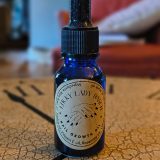 Nail OilA nourishing serum for strong looking nails and soft cuticles.
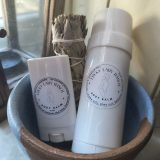 Body BalmUnrefined shea and organic beeswax for hard working skin.
Questions people ask
What is the toxic trio in nail polish?
The toxic trio is toluene, dibutyl phthalate (DBP) and formaldehyde. They were common in nail polish for decades as a solvent, a plasticizer and a hardener. Many brands now advertise that they leave all three out.
What does 3 free nail polish mean?
It usually means the polish is made without toluene, DBP and formaldehyde. The term is not legally defined, so each brand sets its own meaning. Check the ingredient list to confirm.
Is toluene in nail polish harmful?
High exposure to toluene vapor can cause headaches and dizziness and may affect fetal development. Occasional home use involves much lower exposure, but good ventilation is still wise, and salon workers face the greatest risk.
Is 10 free nail polish non toxic?
Not necessarily. "10 free" means a brand left out ten ingredients of its choosing, but the polish still contains solvents and film formers. It is a step toward fewer concerning ingredients, not a guarantee of safety.
Sources and further reading
- US Food and Drug Administration (FDA), Nail Care Products
- California Department of Toxic Substances Control, Summary of Data and Findings from Testing of a Limited Number of Nail Products (2012)
- US Environmental Protection Agency (EPA), Toluene Hazard Summary
- Occupational Safety and Health Administration (OSHA), Stay Healthy and Safe While Giving Manicures and Pedicures
- Mendelsohn et al., Nail Polish as a Source of Exposure to Triphenyl Phosphate, Environment International (2016)
This guide is for general education and is not medical advice. If you have a skin condition, allergy, or are pregnant or nursing, talk with your doctor or a board certified dermatologist about the products that are right for you.


