Natural Men's Grooming Without Harsh Chemicals
Men's grooming products are often heavy on fragrance, alcohol, and harsh detergents. Here is a simpler routine for skin, shaving, beards, and hair, and what to skip on the label.

Key takeaways
- Many men's products lean on strong synthetic fragrance, which can hide undisclosed ingredients and irritate skin.
- Alcohol-heavy aftershaves can sting and dry freshly shaved skin; a plain oil or balm is gentler.
- Razor bumps are common in men with curly hair; shaving technique matters as much as products.
- Aerosol body sprays and dry shampoos have faced recalls for benzene contamination.
- A short routine of a good bar, a light oil, deodorant, and sun protection covers most needs.
Walk down the men's grooming aisle and a pattern appears: dark bottles, bold names, and scents described as "arctic," "storm," or "titanium." Under the branding, many of these products are built on the same things: strong synthetic fragrance, harsh detergents, and high amounts of alcohol. None of that is required to keep skin clean, comfortable, and well groomed. This guide walks through a simple, natural routine for men and the ingredients worth leaving on the shelf.
What Natural Men's Grooming Means
Natural grooming is not about having a dozen products. It is about choosing fewer, simpler ones that do their job without irritating your skin or adding unnecessary chemicals. Men's skin is, on average, a bit thicker and oilier than women's, and facial skin goes through daily stress from shaving. A good routine respects that: clean without stripping, shave without scraping, and moisturize without leaving a greasy film.
Ingredients Common in Men's Products
Heavy fragrance
Men's body washes, deodorants, and body sprays often carry strong scents designed to last all day. Fragrance is listed as a single word that can stand for many undisclosed chemicals, potentially including phthalates like diethyl phthalate that help scent linger. Fragrance is also a leading cause of skin allergies to cosmetics. Our article on the fragrance loophole explains why labels can stay vague.
Harsh sulfates
Many "3 in 1" washes rely on sodium lauryl sulfate or sodium laureth sulfate for big lather. They clean well but can leave skin tight and dry, especially when used on face, hair, and body every day.
Alcohol in aftershave
Classic splash aftershaves are mostly denatured alcohol. The sting is the alcohol hitting tiny nicks and irritated skin. It does have some antiseptic effect, but it can leave skin dry and tight.
Aerosol propellants and contaminants
Body sprays, spray antiperspirants, and dry shampoos use propellants like butane and propane. Between 2021 and 2022, several major brands recalled aerosol antiperspirants, body sprays, and dry shampoos after testing found benzene contamination, which traced back to the propellants. Benzene is not an intended ingredient, but the recalls are a good reason to favor non-aerosol formats.
Petroleum-heavy styling products
Many traditional pomades and some balms are built on petrolatum, mineral oil, and synthetic waxes. These are generally considered safe when highly refined, but they do little for hair beyond hold and shine and can be hard to wash out. See our guide to mineral oil and petrolatum.
A Simple Natural Routine
1. Cleanse with a good bar
A well made cold process soap cleans without synthetic detergents and keeps its natural glycerin. Look for saponified plant oils like olive and coconut on the label. If the bar works for your face too, that is one less bottle in the shower. Our guide to cold process soap vs commercial bars explains the difference.
2. Shave with less irritation
Products help, but technique matters most. The American Academy of Dermatology offers practical tips:
- Soften the hair first with warm water, ideally right after a shower.
- Use a lather or shaving cream rather than shaving dry.
- Shave in the direction the hair grows.
- Rinse the blade after each stroke and replace dull blades regularly.
Rich lather from a natural bar can work well for shaving. Afterward, skip the alcohol splash and pat on a few drops of plain plant oil or a light balm instead.
About razor bumps
Razor bumps, known medically as pseudofolliculitis barbae, happen when shaved hairs curl back into the skin. They are especially common in men with curly hair, including many Black men. Shaving less closely, using a single blade or an electric trimmer that leaves a little stubble, or growing a beard can help. If bumps are frequent, painful, or scarring, a dermatologist can recommend options.
3. Care for your beard
Beard hair is coarser than scalp hair, and the skin underneath can get dry and itchy. A few drops of oil worked into the beard and down to the skin softens hair and helps with that itch. Jojoba, argan, and sweet almond oils are popular choices. Many commercial beard oils are simple plant oils with fragrance added, so check whether the scent is named or hidden.
4. Deodorant without aluminum
Antiperspirants use aluminum compounds to temporarily plug sweat ducts. Deodorants work differently: they target the odor that bacteria create. Major health organizations have not found convincing evidence that aluminum antiperspirants cause cancer, but some men simply prefer to let their bodies sweat naturally and manage odor instead. Expect an adjustment period of a few weeks. Our guide to switching to natural deodorant walks through it.
5. Style with natural pomade
Plant-based pomades made from butters and oils give a softer, more natural hold and wash out more easily than petroleum-based products. Warm a small amount between your palms before working it through.
6. Protect from the sun
Sun protection is the most overlooked step in men's grooming. Ears, the back of the neck, and a thinning scalp are often missed. A hat helps, and a mineral sunscreen with zinc oxide is a simple daily option.
7. Look after hands and feet
Ranch work, gym sessions, and cold weather are hard on hands. Cracked knuckles and rough heels respond well to a thick balm of shea butter and beeswax rubbed in at night, when it has hours to work. For foot odor, wash and fully dry between the toes, rotate shoes so they dry out, and choose breathable socks before reaching for scented sprays.
A note on dandruff
Flakes are common, and true dandruff is often linked to an overgrowth of a yeast that lives on the scalp. Medicated shampoos with ingredients like zinc pyrithione, selenium sulfide, or ketoconazole are regulated as over-the-counter drugs in the US and are well studied for this. If a gentle natural shampoo does not control your flakes, a medicated one or a visit to a dermatologist is a reasonable next step. Our guide to non toxic hair care covers everyday scalp and hair routines.
Who Should Be More Careful
- Men with eczema, psoriasis, or very sensitive skin may react even to natural essential oils. Patch test new products.
- Men who shave daily and get frequent irritation should look at their aftershave and shaving cream before blaming their skin.
- Anyone with persistent rashes, bumps, or hair loss should see a dermatologist.
Built on the Ranch
Our Man Bar is our cold process body bar base scented with tea tree, cedarwood, and bergamot mint essential oils. It lathers well in the shower and can double as a shaving lather. Pair it with our plant-based Hair Pomade, made with shea, hemp seed, and avocado oils, and our aluminum-free All Day Deodorant, and you have a full routine with no harsh chemicals and nothing to decode.
From the ranch
Made in small batches, without the ingredients discussed above.
 Man BarTea tree, cedarwood and bergamot mint in a clean, rugged bar.
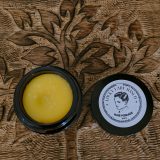 Hair PomadeA soft hold pomade made from shea, hemp seed and avocado oils.
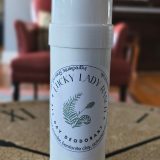 All Day DeodorantAluminum free deodorant that passed every sweaty test we gave it.
Questions people ask
What is the best natural skincare routine for men?
A simple routine works well: a gentle cold process soap or mild cleanser, a light plant oil or balm after shaving, an aluminum-free deodorant if preferred, and daily sun protection. Fewer, simpler products are easier on skin.
How do I prevent razor bumps naturally?
Soften hair with warm water, use a rich lather, shave in the direction of hair growth, use a sharp blade, and avoid shaving too closely. Men with curly hair may benefit from trimming or growing a beard. See a dermatologist for persistent bumps.
Is alcohol aftershave bad for your skin?
Alcohol-based aftershaves can sting and dry freshly shaved skin. Many people find a plain plant oil or light balm more comfortable after shaving.
Are men's body sprays safe?
Aerosol body sprays contain propellants and usually undisclosed fragrance. Several major brands recalled aerosol sprays in 2021 and 2022 after benzene contamination was found. Non-aerosol products avoid that issue.
What oil is best for beards?
Jojoba, argan, and sweet almond oils are popular choices because they soften coarse beard hair and help with dry, itchy skin underneath. Look for products where any scent is clearly named.
Sources and further reading
- American Academy of Dermatology (AAD), How to Shave
- American Academy of Dermatology (AAD), Razor Bumps: Tips to Prevent and Treat
- US Food and Drug Administration (FDA), Benzene contamination in drug and cosmetic aerosol products
- National Cancer Institute (NCI), Antiperspirants/Deodorants and Breast Cancer
- US Food and Drug Administration (FDA), Fragrances in Cosmetics
This guide is for general education and is not medical advice. If you have a skin condition, allergy, or are pregnant or nursing, talk with your doctor or a board certified dermatologist about the products that are right for you.